

Heavy Duty Chicken Wire vs Welded Wire Mesh: Which Is Better for Your Project?
Choosing between chicken wire and welded wire mesh can make or break your fencing project. Most people waste money picking the wrong material for their specific needs.

After 15 years in the wire mesh manufacturing business, I have seen countless customers struggle with this decision. Many end up replacing their fencing within two years because they chose the wrong product. Let me share what I have learned from working with thousands of clients across different industries.
Is Welded Wire Mesh Stronger Than Chicken Wire?
You need to understand the structural differences before making any purchase decision. Most people assume all wire mesh works the same way.
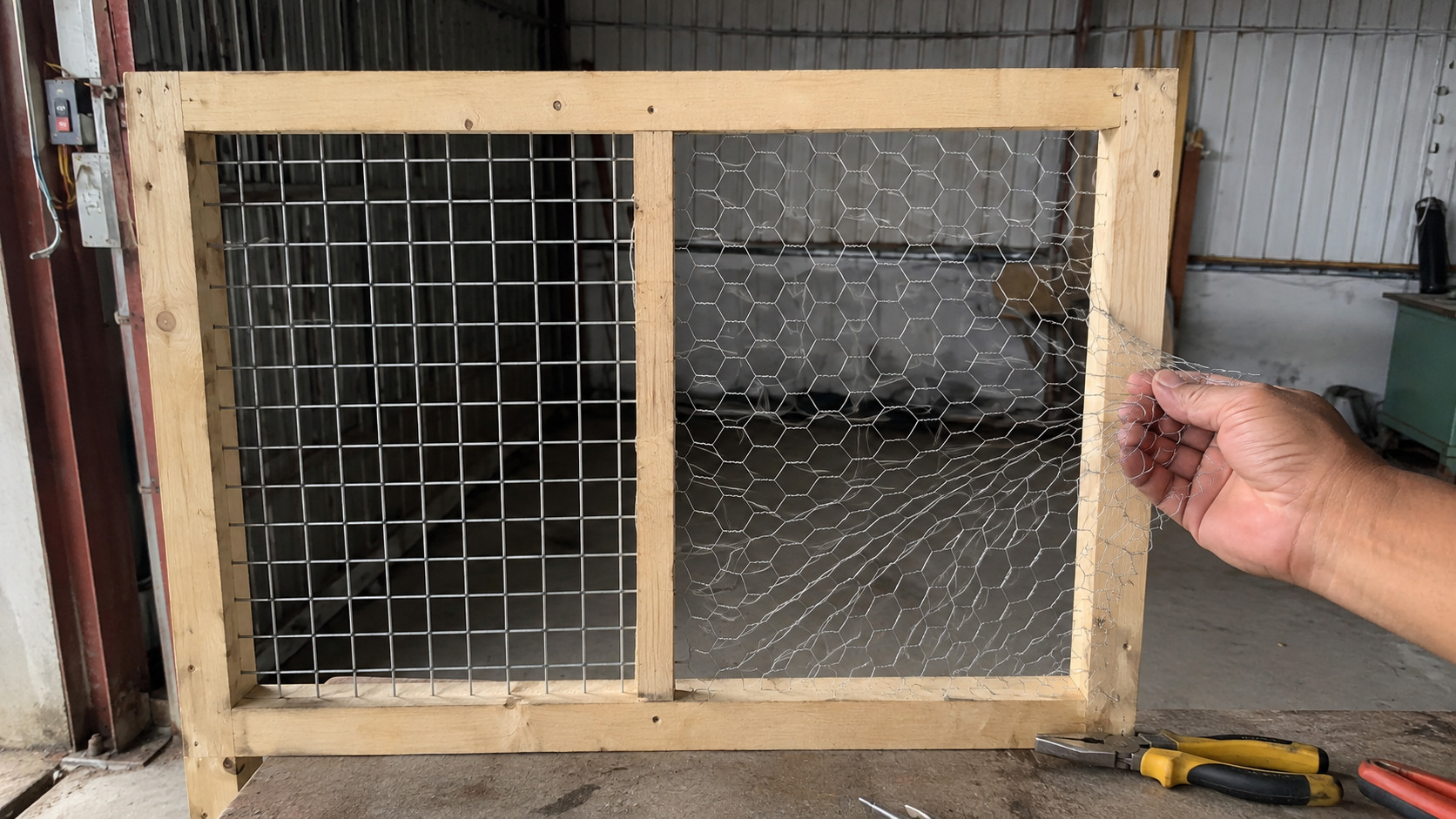
The manufacturing process explains everything about strength differences. Chicken wire uses a hexagonal weaving pattern where wires twist around each other at connection points. These twisted joints become weak spots under pressure. One broken connection can cause the entire section to unravel like a sweater.
Welded wire mesh uses electric resistance welding to fuse wires at every intersection. This creates a rigid grid structure where each joint is as strong as the wire itself. The welded connections cannot separate unless the wire breaks completely.
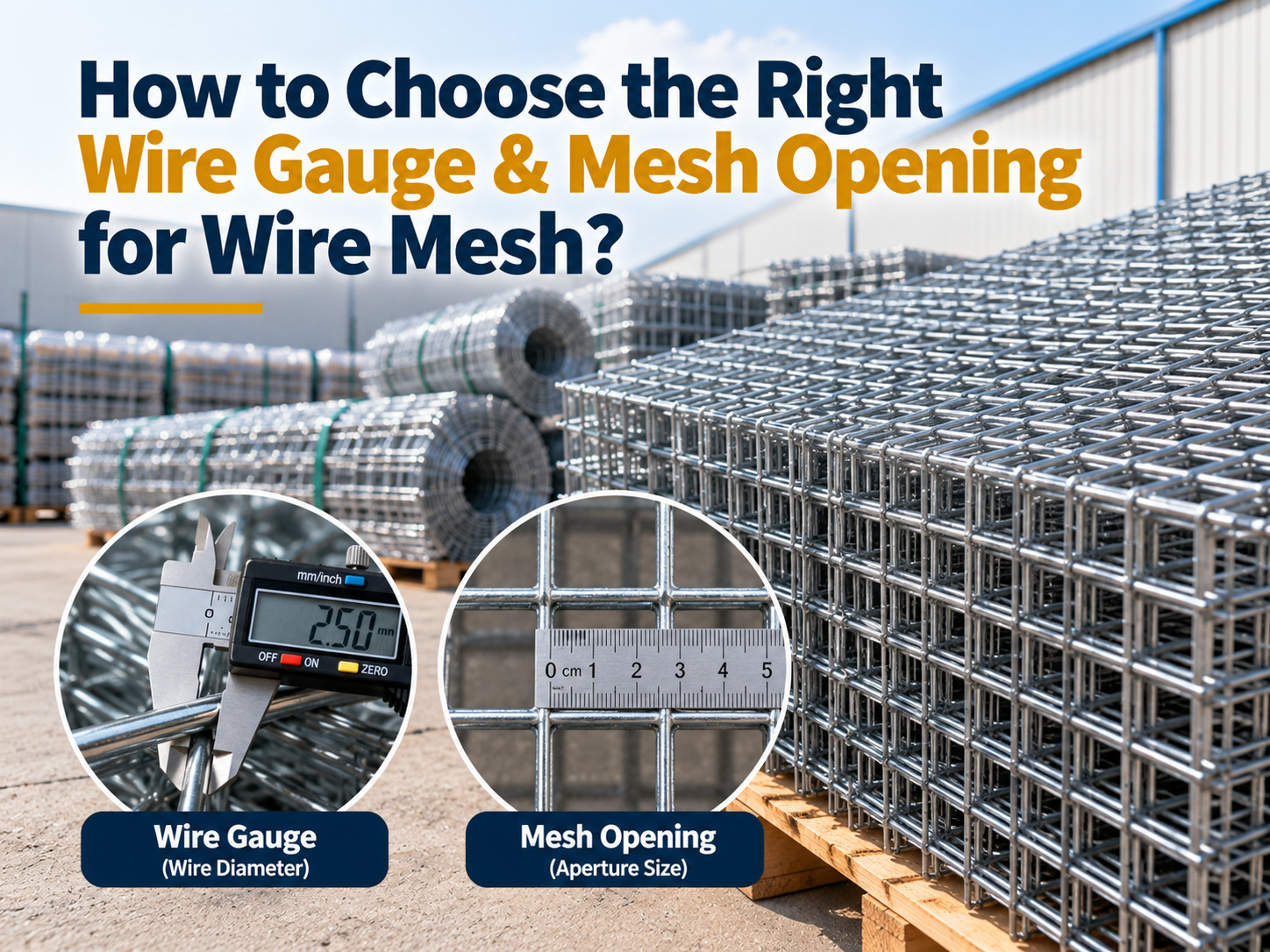
Wire gauge also plays a crucial role in overall strength. Standard chicken wire typically uses 20-gauge wire, which measures about 0.8mm in diameter. Heavy duty welded wire mesh commonly uses 12-gauge to 16-gauge wire, ranging from 1.6mm to 2.5mm in diameter. Thicker wire means higher tensile strength and better resistance to cutting or breaking.
Here is a comparison of typical specifications:
| Property | Chicken Wire | Welded Wire Mesh |
|---|---|---|
| Wire Gauge | 19-20 gauge | 12-16 gauge |
| Wire Diameter | 0.7-0.9mm | 1.6-2.5mm |
| Tensile Strength | 350-400 MPa | 500-550 MPa |
| Joint Type | Twisted | Welded |
| Flexibility | High | Low |
| Unraveling Risk | High | None |
What Is the Difference Between Hexagonal and Welded Wire Mesh?
The pattern and connection method create completely different performance characteristics. Many customers confuse these basic structural elements.

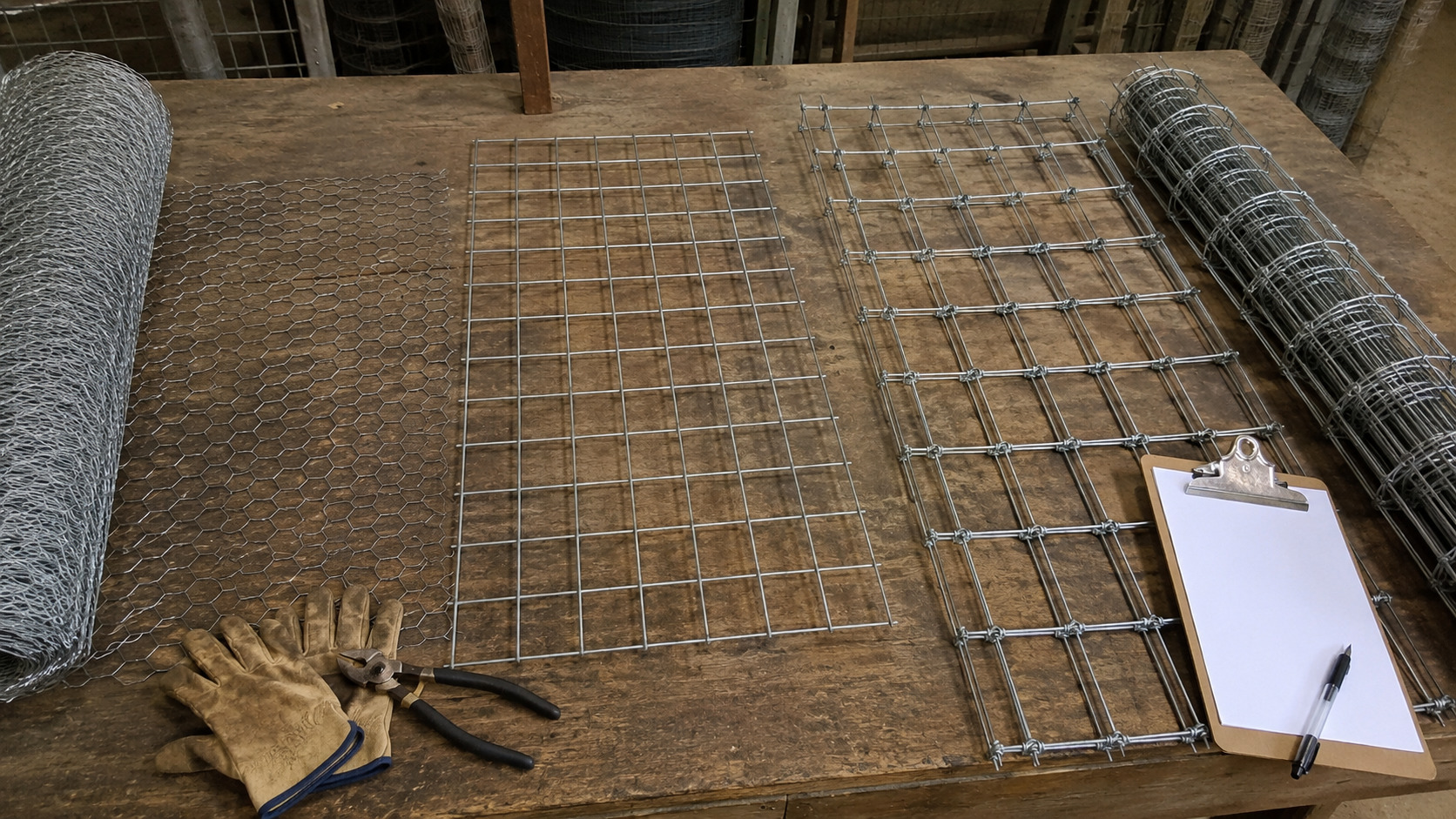
Hexagonal mesh, commonly called chicken wire, features a honeycomb pattern of six-sided openings. This design allows the mesh to bend and conform to irregular surfaces. The twisted wire connections at each junction provide flexibility but sacrifice strength. You can easily reshape hexagonal mesh by hand, which makes installation easier around curves and corners.
Welded wire mesh creates square or rectangular openings through perpendicular wire placement. Vertical wires run parallel to each other, while horizontal wires cross at 90-degree angles. Electric welding fuses these intersection points into permanent joints. This rigid structure cannot bend or flex like hexagonal mesh.
The opening size affects both strength and application suitability. Hexagonal mesh typically offers 1-inch to 2-inch openings, though smaller sizes exist. Welded wire mesh provides more size options, from 1/4-inch hardware cloth to 6-inch livestock panels.
Galvanization methods differ between the two types. Hexagonal mesh usually receives galvanization after weaving, which can leave weak spots at twisted joints. Welded mesh often uses pre-galvanized wire that gets welded together, providing more uniform corrosion protection.
Manufacturing costs also vary significantly. Hexagonal mesh requires specialized weaving machines and more labor-intensive production. Welded mesh uses automated welding equipment that produces consistent quality at higher speeds. This efficiency translates to better value for customers.
Which Wire Mesh Is Better for Poultry Fencing?
Poultry protection requires specific considerations that many people overlook. Your choice affects both bird safety and predator prevention.
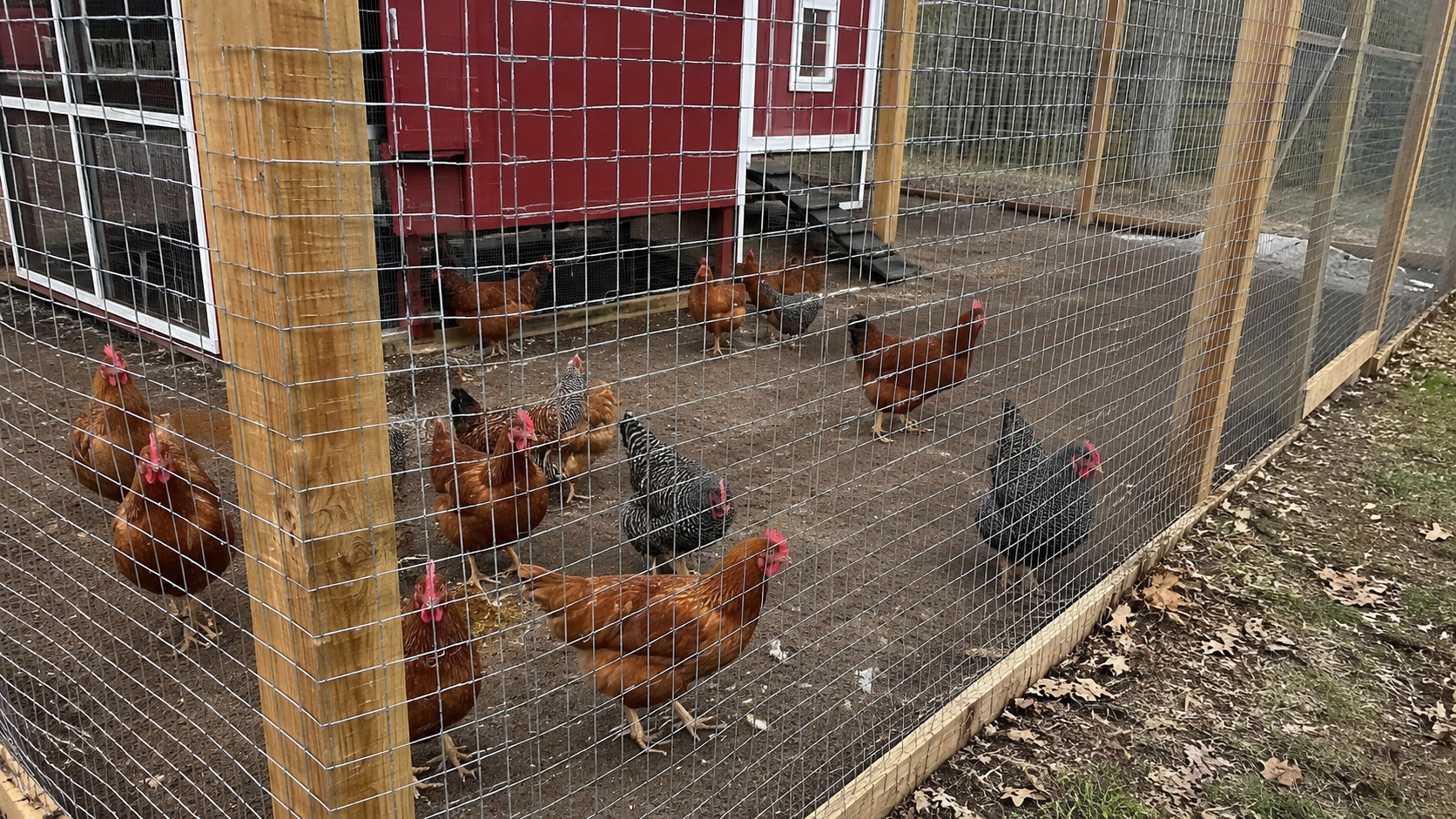
Predator resistance becomes the primary concern for permanent poultry installations. Raccoons possess incredible dexterity and can easily tear through chicken wire or reach through large openings to grab birds. Foxes and coyotes can chew through lightweight wire or force their way through weak connections.
Welded wire mesh with 1/2-inch openings prevents most predators from reaching through while allowing adequate airflow. The rigid structure resists bending and tearing under pressure. Heavier gauge wire withstands chewing attempts from larger predators.
Bird behavior also influences mesh selection. Chickens and other poultry naturally peck at wire surfaces, especially when stressed or curious. Chicken wire's twisted connections can create sharp points that injure bird beaks or feet. Welded mesh joints remain smooth and safe for bird contact.
Cleaning and maintenance requirements favor welded mesh for permanent installations. Smooth welded joints resist dirt and debris accumulation better than twisted wire connections. Pressure washing or scrubbing removes waste buildup more effectively from welded surfaces.
Installation considerations include post spacing and attachment methods. Chicken wire requires closer post spacing due to its flexibility, typically every 6-8 feet. Welded mesh can span 10-12 feet between posts without sagging. Attachment hardware works better with rigid welded mesh than flexible chicken wire.
Different poultry species require specific opening sizes:
| Bird Type | Recommended Opening Size | Mesh Type |
|---|---|---|
| Chickens | 1/2" to 1" | Welded wire |
| Ducks | 1" to 2" | Welded wire |
| Turkeys | 2" to 4" | Welded wire |
| Small birds | 1/4" to 1/2" | Hardware cloth |
| Free-range | 2" to 4" | Field fence |
Which Mesh Is Better for Livestock Enclosures?
Livestock fencing demands durability and strength that goes beyond poultry requirements. Animal size and behavior create unique challenges.

Large animals exert tremendous pressure against fencing during feeding, weather events, or territorial disputes. Cattle, horses, and goats regularly lean against or rub on fence materials. Chicken wire cannot withstand this constant pressure and will stretch, sag, or break within months.
Welded livestock mesh typically uses 12.5-gauge or heavier wire with 2x4-inch rectangular openings. This combination provides strength while preventing hoof entanglement. The rectangular pattern orients with the long dimension horizontal, which better distributes animal pressure across multiple wires.
Ground-level installation requires special attention. Livestock often paw or dig near fence lines, especially horses and goats. Buried welded mesh extends 6-12 inches below ground level to prevent animals from pushing under the fence. Chicken wire lacks the structural integrity for underground installation.
Electric wire integration works better with welded mesh systems. The rigid structure provides stable mounting points for electric wire insulators and maintains consistent wire spacing. Flexible chicken wire moves with wind or animal contact, causing electric wire spacing to vary.
Maintenance costs favor welded mesh for livestock applications. Repairs typically involve replacing individual panels rather than rewiring entire sections. Modular welded panels attach to posts with clips or ties that allow easy removal and replacement.
Different livestock require specific fencing approaches:
| Animal Type | Wire Gauge | Opening Size | Height Requirements |
|---|---|---|---|
| Cattle | 12.5 gauge | 6" x 12" | 4-5 feet |
| Horses | 12.5 gauge | 2" x 4" | 5-6 feet |
| Goats | 14 gauge | 2" x 4" | 4-5 feet |
| Sheep | 14 gauge | 4" x 6" | 4 feet |
| Pigs | 11 gauge | 2" x 4" | 3-4 feet |
Is Chicken Wire Cheaper Than Welded Wire Mesh?
Price comparison requires looking beyond initial purchase costs. Long-term value includes installation, maintenance, and replacement expenses.

Initial material costs clearly favor chicken wire. A 50-foot roll of 4-foot-tall chicken wire typically costs $25-40, while equivalent welded wire mesh costs $40-70. This price difference attracts budget-conscious buyers who focus on upfront expenses.
Installation costs can offset some of chicken wire's price advantage. Flexible chicken wire requires more posts and hardware to maintain proper tension and appearance. Additional labor time for careful handling and attachment increases overall project costs.
Maintenance expenses accumulate quickly with chicken wire installations. Twisted wire connections work loose over time, requiring regular tightening or repair. Weather exposure causes uneven galvanization wear, leading to rust spots that weaken the entire structure.
Replacement frequency significantly impacts long-term costs. Chicken wire typically lasts 2-5 years in outdoor applications before requiring replacement. Quality welded wire mesh can last 10-20 years with minimal maintenance. Multiple chicken wire replacements often cost more than one welded mesh installation.
Here is a 10-year cost comparison for a typical 200-foot perimeter fence:
| Cost Factor | Chicken Wire | Welded Wire Mesh |
|---|---|---|
| Initial Material | $200 | $350 |
| Installation Labor | $300 | $250 |
| Maintenance (annual) | $50 | $20 |
| Replacement Cycles | 3 times | 0 times |
| Total 10-Year Cost | $1,100 | $550 |
Project duration also affects cost calculations. Temporary installations under one year favor chicken wire's lower initial cost. Permanent installations benefit from welded mesh's durability and lower maintenance requirements.
Which Wire Mesh Lasts Longer Outdoors?
Weather exposure tests every aspect of wire mesh construction. Understanding durability factors helps predict actual service life.

Galvanization quality makes the biggest difference in outdoor longevity. Chicken wire often uses post-galvanization, where completed mesh gets dipped in molten zinc. This process can leave thin spots or gaps at twisted wire connections. Water penetrates these weak points, causing rust to develop from inside the wire structure.
Welded wire mesh frequently uses pre-galvanized wire that receives zinc coating before welding. The welding process may burn off some coating at joint points, but the overall coverage remains more uniform. Some premium welded mesh receives additional post-welding galvanization for maximum protection.
Wire thickness directly affects corrosion resistance. Thicker wire in welded mesh provides more material between the surface and the wire core. Corrosion must penetrate deeper before affecting structural integrity. Thin chicken wire loses strength quickly once rust begins.
Joint construction influences how water and moisture affect the mesh. Twisted connections in chicken wire create crevices where water collects and corrosion accelerates. Smooth welded joints shed water more effectively and resist corrosion initiation.
Expansion and contraction from temperature changes stress wire connections differently. Twisted joints in chicken wire can work loose as materials expand and contract with weather changes. Welded joints maintain their integrity through thermal cycling.
Environmental factors affect both mesh types:
| Environmental Factor | Chicken Wire Impact | Welded Mesh Impact |
|---|---|---|
| UV Exposure | Moderate | Low |
| Salt Air | High | Moderate |
| Acid Rain | High | Moderate |
| Ice/Snow Load | High | Low |
| Wind Stress | High | Low |
| Ground Moisture | High | Moderate |
Regional climate considerations influence mesh selection. Coastal areas with salt air require the best possible galvanization, favoring pre-galvanized welded mesh. Desert regions with extreme temperature swings benefit from welded mesh's structural stability.
How Do I Choose Between Chicken Wire and Welded Wire Mesh?
Decision-making requires evaluating multiple factors specific to your project requirements. Most people focus on only one or two considerations and miss important details.
Project duration serves as the primary decision factor. Installations lasting more than two years typically benefit from welded mesh's durability and lower maintenance requirements. Temporary or seasonal applications under one year can use chicken wire's cost advantages effectively.
Animal or security requirements influence mesh selection significantly. Large animals, predator protection, or security applications require welded mesh's strength and rigidity. Small animal containment or bird exclusion may work adequately with chicken wire.
Budget considerations include both initial and long-term costs. Limited upfront budgets may necessitate chicken wire despite higher long-term costs. Projects with adequate initial funding should consider welded mesh's better value over time.
Installation complexity affects labor costs and project success. Experienced installers can work with either mesh type effectively. DIY installations may find chicken wire easier to handle but harder to achieve professional results.
Maintenance capability influences long-term satisfaction. Property owners who perform regular maintenance may accept chicken wire's higher upkeep requirements. Those preferring low-maintenance solutions should choose welded mesh.
Here is a decision matrix to guide your choice:
| Project Characteristic | Choose Chicken Wire | Choose Welded Mesh |
|---|---|---|
| Duration | Under 2 years | Over 2 years |
| Budget Priority | Lowest initial cost | Best long-term value |
| Animals | Small birds only | Poultry, livestock, predators |
| Installation | DIY, temporary | Professional, permanent |
| Maintenance | Regular upkeep OK | Minimal maintenance preferred |
| Flexibility Needed | Curves, irregular shapes | Straight runs, rigid structure |
Environmental factors also guide selection. Harsh weather conditions, coastal locations, or extreme temperatures favor welded mesh's superior durability. Mild climates with minimal environmental stress may allow chicken wire use in appropriate applications.
Conclusion
Your choice between chicken wire and welded wire mesh depends on balancing strength, durability, and cost against your specific project requirements and long-term expectations.