

Common Wire Mesh Netting Problems: Rust, Sagging & How to Prevent Them
You installed wire mesh fencing last year. Now you see rust spots, sagging sections, and loose connections everywhere. Your investment is failing faster than expected.
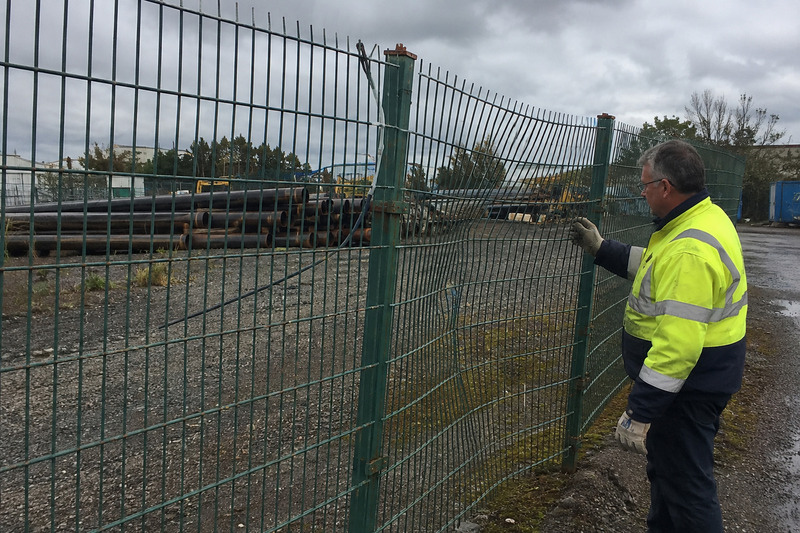
I have seen countless customers face these exact issues with their wire mesh installations. The frustration is real when your fencing investment starts deteriorating within months instead of lasting years.
What Are the Most Common Wire Mesh Netting Problems?
Your wire mesh fence faces three major threats every day. Environmental conditions attack the material while mechanical stress weakens the structure over time.

I deal with these problems daily at our manufacturing facility. Customers call us asking why their mesh is failing so quickly. The root causes usually trace back to three main areas.
Material Quality Issues
Poor galvanization creates the biggest headache for wire mesh users. Thin zinc coatings wear off within months in harsh environments. The base wire quality also matters significantly. Low-grade steel contains impurities that accelerate corrosion.
| Problem Type | Typical Timeframe | Main Cause |
|---|---|---|
| Surface rust | 3-6 months | Poor galvanization |
| Deep corrosion | 12-18 months | Base metal quality |
| Wire breakage | 6-12 months | Manufacturing defects |
Installation Problems
Incorrect tension causes most structural failures. Too tight and wires snap under thermal expansion. Too loose and the fence sags immediately. Post spacing also affects performance dramatically.
Environmental Factors
Coastal areas destroy wire mesh faster than inland locations. Salt air penetrates protective coatings within weeks. Industrial pollution creates similar problems. Even agricultural chemicals can damage mesh coatings over time.
Why Is My Wire Mesh Rusting?
Rust appears when iron meets oxygen and moisture. Your wire mesh coating provides the only barrier against this natural process. Once that protection fails, corrosion spreads rapidly.

The galvanization process determines how long your mesh resists rust. I have tested countless samples in our lab. Coating thickness makes the difference between months and decades of protection.
Galvanization Quality Factors
Hot-dip galvanizing creates the most durable coating. The zinc bonds chemically with the steel surface. Electro-galvanizing provides thinner, less durable protection. Many suppliers use electro-galvanizing to reduce costs.
Coating thickness varies significantly between suppliers. Standard specifications call for 60 microns minimum. Marine environments need 120 microns or more. Always verify coating thickness before purchasing.
Environmental Accelerators
Salt exposure accelerates rust formation exponentially. Coastal installations see rust within 3-6 months with standard coatings. Industrial chemicals create similar problems. Even fertilizers and pesticides attack galvanized surfaces.
Temperature cycling stresses protective coatings. Expansion and contraction create microscopic cracks. Moisture enters these cracks and starts the corrosion process. This explains why rust often appears first at connection points.
How Can You Prevent Wire Mesh from Rusting?
Prevention costs less than replacement. The right coating specification and installation methods extend mesh life by decades. Environmental preparation also plays a crucial role.

I recommend different protection levels based on environmental conditions. Coastal customers need maximum protection. Inland agricultural applications can use standard specifications.
Coating Selection Guide
Heavy galvanization works best for most applications. The zinc coating sacrifices itself to protect the steel underneath. Thicker coatings last proportionally longer in harsh conditions.
PVC coating adds another protection layer. The plastic barrier blocks moisture and chemicals completely. However, PVC can crack or peel if installed incorrectly. Always use proper tensioning with coated products.
| Environment | Recommended Coating | Expected Life |
|---|---|---|
| Coastal | Heavy galvanized + PVC | 15-20 years |
| Industrial | Heavy galvanized | 10-15 years |
| Agricultural | Standard galvanized | 8-12 years |
| Residential | Standard galvanized | 12-15 years |
Installation Best Practices
Cut end treatment prevents rust starting points. Apply zinc-rich paint or spray galvanizing to all cut surfaces. This simple step eliminates the most common rust initiation sites.
Proper drainage keeps moisture away from the mesh base. Grade soil away from fence lines. Install gravel strips under horizontal mesh runs. Standing water accelerates corrosion dramatically.
Connection hardware needs equal protection. Use galvanized or stainless steel fasteners exclusively. Mixed metals create galvanic corrosion that destroys both materials rapidly.
Why Does Wire Mesh Fencing Sag or Become Loose?
Sagging happens when forces exceed the mesh's structural capacity. Temperature changes, improper installation, and material fatigue all contribute to this common problem.

Temperature changes create the biggest challenge for mesh tensioning. Summer heat expands the wire while winter cold contracts it. The mesh must accommodate this movement without losing structural integrity.
Thermal Movement Effects
Steel expands approximately 0.000006 inches per inch per degree Fahrenheit. A 100-foot fence section grows nearly half an inch between winter and summer temperatures. This expansion must go somewhere.
Rigid installations fight thermal movement and lose. The mesh either breaks from excessive stress or pulls loose from connection points. Proper design allows controlled movement while maintaining tension.
Installation Tension Requirements
Initial tension determines long-term performance. Under-tensioned mesh sags immediately. Over-tensioned mesh breaks under thermal stress. The sweet spot requires careful calculation and measurement.
| Mesh Type | Tension Range | Post Spacing |
|---|---|---|
| Chain link | 180-220 lbs/ft | 6-8 feet |
| Welded mesh | 150-200 lbs/ft | 8-10 feet |
| Hexagonal | 100-150 lbs/ft | 10-12 feet |
Post Foundation Requirements
Inadequate post foundations cause most sagging problems. Posts must resist horizontal forces from mesh tension plus wind loads. Concrete footings provide the most reliable support.
Post spacing affects mesh performance significantly. Closer spacing reduces stress on individual wires. However, more posts increase installation costs. The optimal spacing balances performance with economics.
How Do You Fix a Sagging Wire Mesh Fence?
Sagging mesh requires systematic diagnosis and repair. The approach depends on whether the problem stems from loose connections, stretched wire, or inadequate posts.

I have walked customers through this repair process hundreds of times. The key is identifying the root cause before starting repairs. Treating symptoms without fixing causes leads to repeated failures.
Diagnostic Steps
Check post stability first. Loose or leaning posts cannot support proper mesh tension. Test each post by pushing firmly at the top. Movement indicates foundation problems that need attention first.
Examine connection points next. Loose tie wires or damaged clips allow mesh movement. Look for stretched or broken fasteners. These small components often cause large problems.
Measure actual sag amounts. Use a string line to determine deviation from straight. Document problem areas before starting repairs. This baseline helps verify repair effectiveness.
Repair Techniques
Re-tensioning works for minor sagging. Use fence pullers or come-alongs to stretch the mesh back to proper tension. Work systematically from one end to the other. Maintain consistent tension throughout the run.
Wire replacement becomes necessary when stretching exceeds elastic limits. Cut out damaged sections and splice in new material. Match wire gauge and coating specifications exactly. Proper splicing techniques ensure invisible repairs.
Post reinforcement may require excavation and new concrete. Alternatively, install additional posts to reduce spacing. This approach distributes loads more effectively and prevents future sagging.
Why Does Wire Mesh Bend, Break or Lose Its Shape?
Wire mesh deformation occurs when applied forces exceed the material's yield strength. Impact damage, overloading, and fatigue failure all contribute to structural problems.
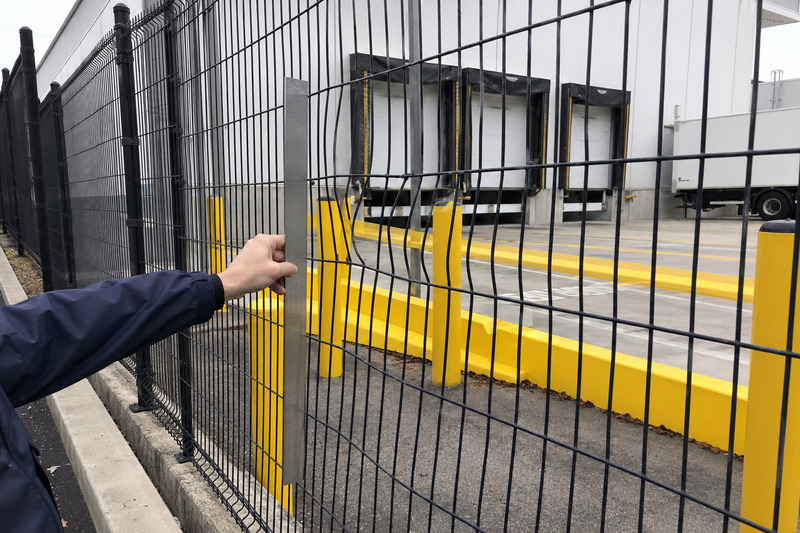
Understanding load limits helps prevent structural failures. Each mesh type has specific capacity ratings. Exceeding these limits causes permanent deformation or complete failure.
Load Capacity Factors
Wire gauge determines basic strength characteristics. Thicker wires resist bending and breaking better than thin ones. However, thicker wire costs more and weighs significantly more.
Mesh opening size affects load distribution. Smaller openings spread loads across more wires. Larger openings concentrate stress on individual wires. This explains why fine mesh often outperforms coarse mesh in demanding applications.
| Wire Gauge | Tensile Strength | Typical Applications |
|---|---|---|
| 9 gauge | 1,350 lbs | Heavy security |
| 11 gauge | 950 lbs | Standard fencing |
| 14 gauge | 550 lbs | Light residential |
Impact Protection Strategies
Physical barriers protect mesh from vehicle impact. Install bollards or concrete barriers where vehicles operate near fencing. This simple step prevents most impact damage.
Flexible mounting systems absorb impact energy. Rigid connections transfer full impact force to the mesh. Spring-loaded connections allow movement that reduces stress concentrations.
Regular inspection identifies developing problems before failure occurs. Look for bent wires, loose connections, and stress concentration points. Early intervention prevents minor problems from becoming major failures.
How Can You Prevent Wire Mesh Coating from Peeling or Cracking?
Coating failure exposes the base metal to corrosion. Prevention requires proper material selection, careful installation, and appropriate maintenance practices.

Coating selection makes the biggest difference in longevity. Different coating types perform better in specific environments. Matching coating to application extends service life dramatically.
Coating Type Comparison
Galvanized coatings provide excellent corrosion resistance at reasonable cost. Hot-dip galvanizing creates thicker, more durable coatings than electro-galvanizing. The zinc coating sacrifices itself to protect the underlying steel.
PVC coatings add chemical and UV resistance. The plastic barrier blocks moisture and aggressive chemicals completely. However, PVC becomes brittle in extreme cold and can crack under impact.
Powder coatings offer superior adhesion and durability. The electrostatic application process creates uniform coverage without runs or sags. Powder coatings resist chipping and scratching better than liquid paints.
Installation Damage Prevention
Careful handling during installation prevents coating damage. Avoid dragging mesh across rough surfaces. Use padded clamps when tensioning. These simple precautions preserve coating integrity.
Proper fastener selection prevents galvanic corrosion. Mixed metals create electrical cells that accelerate coating breakdown. Use fasteners with equal or superior corrosion resistance.
Temperature considerations affect coating flexibility. Install PVC-coated mesh during moderate temperatures. Extreme heat makes coatings sticky while extreme cold makes them brittle.
How Long Does Wire Mesh Fencing Last?
Service life depends on material quality, environmental conditions, and maintenance practices. Proper specifications and installation can provide decades of reliable performance.

I track performance data from installations worldwide. Environmental conditions create the biggest variation in service life. Proper material selection for specific conditions maximizes longevity.
Environmental Impact Factors
Coastal environments reduce mesh life by 40-60% compared to inland locations. Salt spray penetrates protective coatings and accelerates corrosion. Regular washing with fresh water helps but cannot eliminate salt damage completely.
Industrial pollution creates similar problems. Acid rain and chemical vapors attack protective coatings. Some industrial chemicals cause rapid coating failure within months of exposure.
Agricultural chemicals also affect mesh longevity. Fertilizers and pesticides contain corrosive compounds. Direct contact should be avoided whenever possible. Rinse contaminated areas immediately with clean water.
Material Quality Effects
Wire grade significantly affects service life. High-carbon steel provides superior strength but may corrode faster than low-carbon alternatives. Stainless steel offers maximum corrosion resistance at premium cost.
Coating thickness directly relates to service life. Each additional 10 microns of galvanizing adds approximately 1-2 years of service life in normal conditions. Heavy coatings cost more initially but provide better long-term value.
| Coating Type | Mild Environment | Harsh Environment |
|---|---|---|
| Standard galvanized | 12-15 years | 6-8 years |
| Heavy galvanized | 15-20 years | 8-12 years |
| PVC coated | 20-25 years | 12-18 years |
| Stainless steel | 25+ years | 20+ years |
When Should You Repair vs Replace Wire Mesh Netting?
The repair versus replacement decision depends on damage extent, remaining service life, and cost considerations. Sometimes partial replacement provides the most economical solution.
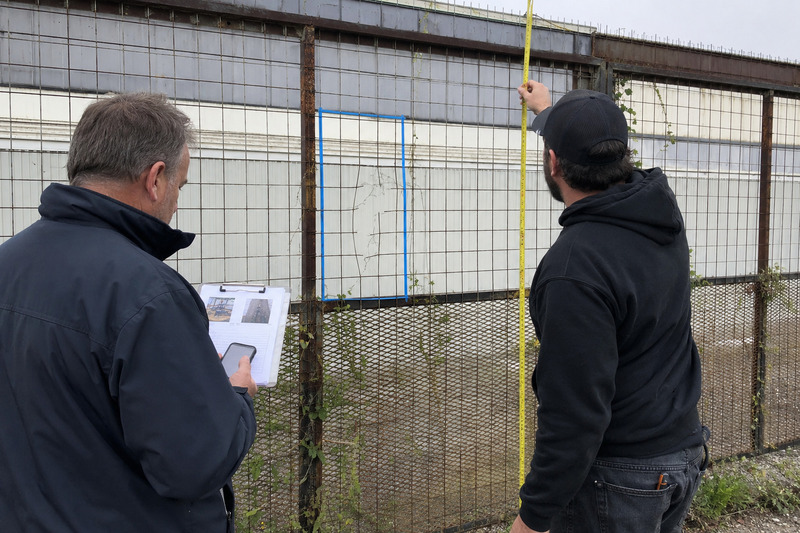
Economic analysis helps make the right decision. Factor in material costs, labor expenses, and expected additional service life. Sometimes spending more now saves money long-term.
Damage Assessment Criteria
Surface rust coverage indicates remaining service life. Light rust affects appearance but not function. Heavy rust weakens the wire structure and spreads rapidly. Document rust extent with photos for objective evaluation.
Structural damage requires immediate attention. Broken wires create safety hazards and allow intrusion. Sagging sections indicate systematic problems that may affect adjacent areas.
Age considerations influence the decision. Mesh approaching normal replacement age rarely justifies extensive repairs. Recent installations with localized problems usually benefit from targeted repairs.
Cost Analysis Framework
Calculate total repair costs including materials, labor, and future maintenance. Compare this to replacement cost minus salvage value. Include disruption costs for both options.
Consider phased replacement for large installations. Replace worst sections immediately while planning future phases. This approach spreads costs over multiple budget cycles.
Factor in performance improvements available with new products. Better coatings or stronger materials might justify replacement even when repairs are possible.
How Can You Extend the Lifespan of Wire Mesh Fencing?
Proactive maintenance extends mesh life significantly. Regular inspection, prompt repairs, and protective treatments prevent small problems from becoming major failures.

I recommend maintenance schedules based on environmental conditions. Harsh environments need quarterly inspections while mild conditions allow annual checks. Consistency matters more than frequency.
Preventive Maintenance Schedule
Monthly visual inspections catch obvious problems early. Look for loose connections, vegetation contact, and developing rust spots. Document findings with photos and location notes.
Quarterly detailed inspections examine connection points, post stability, and coating condition. Use tools to test tension and measure sag. This systematic approach identifies trends before failures occur.
Annual comprehensive maintenance includes cleaning, minor repairs, and protective treatments. Schedule this work during favorable weather conditions. Plan material needs in advance to avoid delays.
Maintenance Best Practices
Vegetation control prevents coating damage and moisture retention. Keep grass and weeds away from mesh base. Trim overhanging branches that might rub against the fence. Use herbicides carefully to avoid coating damage.
Prompt rust treatment stops corrosion spread. Clean affected areas to bare metal and apply appropriate protective coatings. Wire brushes and sandpaper remove surface rust effectively.
Connection point maintenance prevents systematic failures. Tighten loose hardware and replace damaged components immediately. Keep spare parts inventory for common repair items.
What Should You Check When Buying Replacement Wire Mesh?
Replacement mesh must match or exceed original specifications. Environmental conditions may have changed since original installation, requiring upgraded materials.
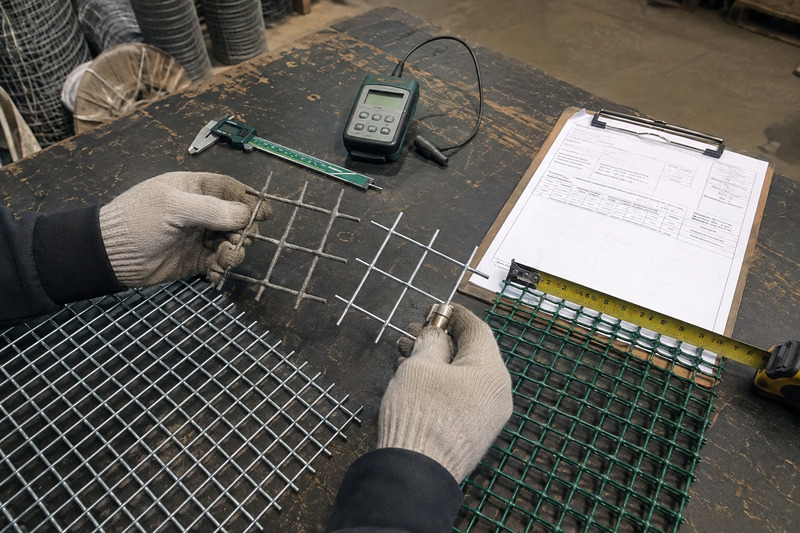
Specification matching ensures proper performance and appearance. Slight differences in wire gauge or coating can create problems during installation or service.
Critical Specification Points
Wire gauge must match structural requirements. Thinner wire saves money but may not provide adequate strength. Thicker wire costs more but offers superior durability and security.
Coating specifications should match or exceed original requirements. Environmental conditions may have worsened since original installation. Consider upgrading coating for better longevity.
Mesh opening dimensions affect both function and appearance. Security applications need specific opening sizes. Aesthetic considerations may require exact matches with existing sections.
Quality Verification Methods
Request material certifications before ordering. Reputable suppliers provide test reports showing coating thickness, tensile strength, and corrosion resistance. These documents verify specification compliance.
Sample inspection reveals actual quality levels. Request samples of proposed materials for physical examination. Compare coating appearance, wire dimensions, and overall construction quality.
Supplier reputation affects long-term satisfaction. Work with established manufacturers who stand behind their products. Check references from similar applications in your area.
Conclusion
Wire mesh problems stem from predictable causes that proper selection, installation, and maintenance can prevent. Investing in quality materials and proactive care delivers decades of reliable performance.