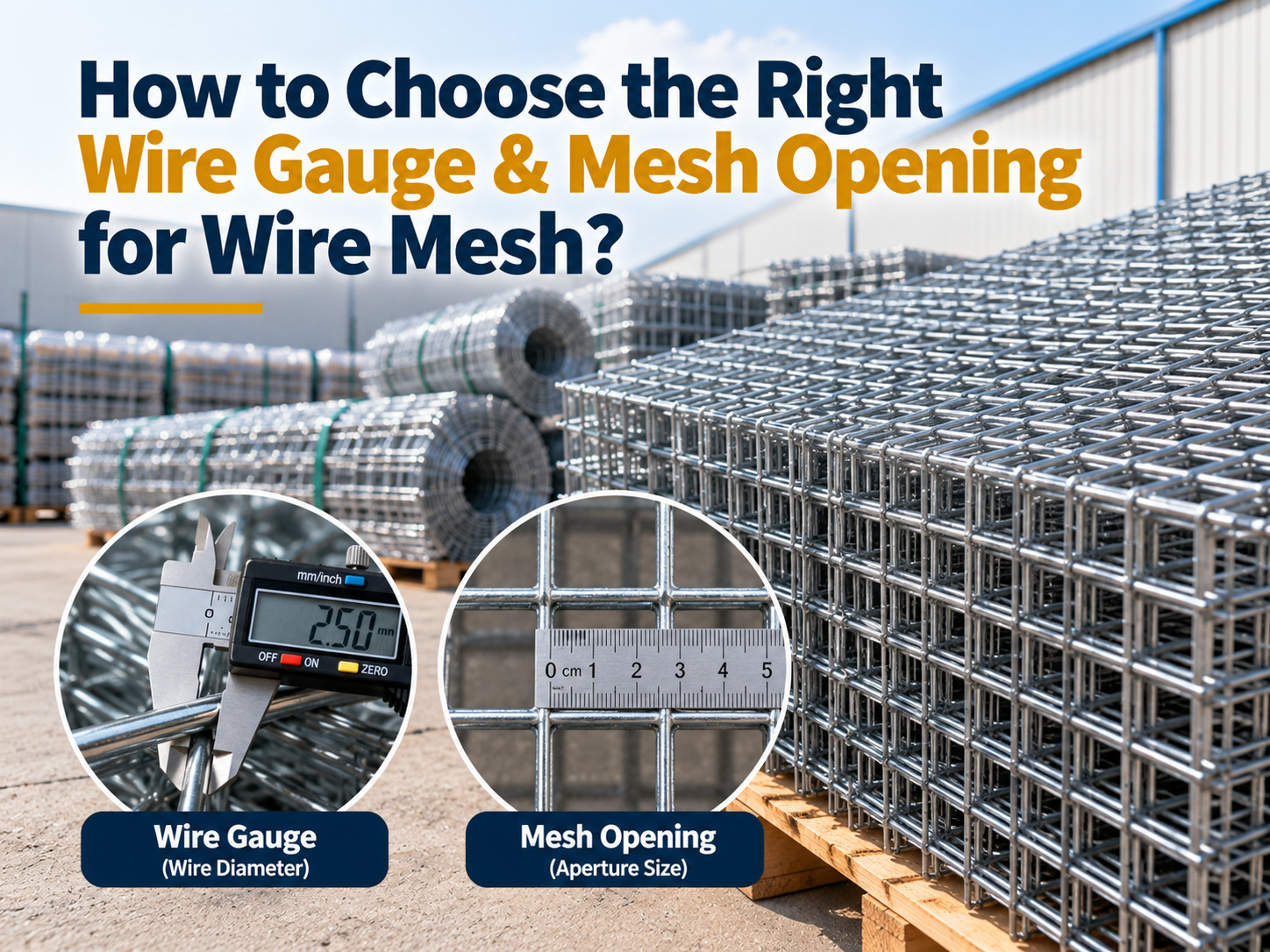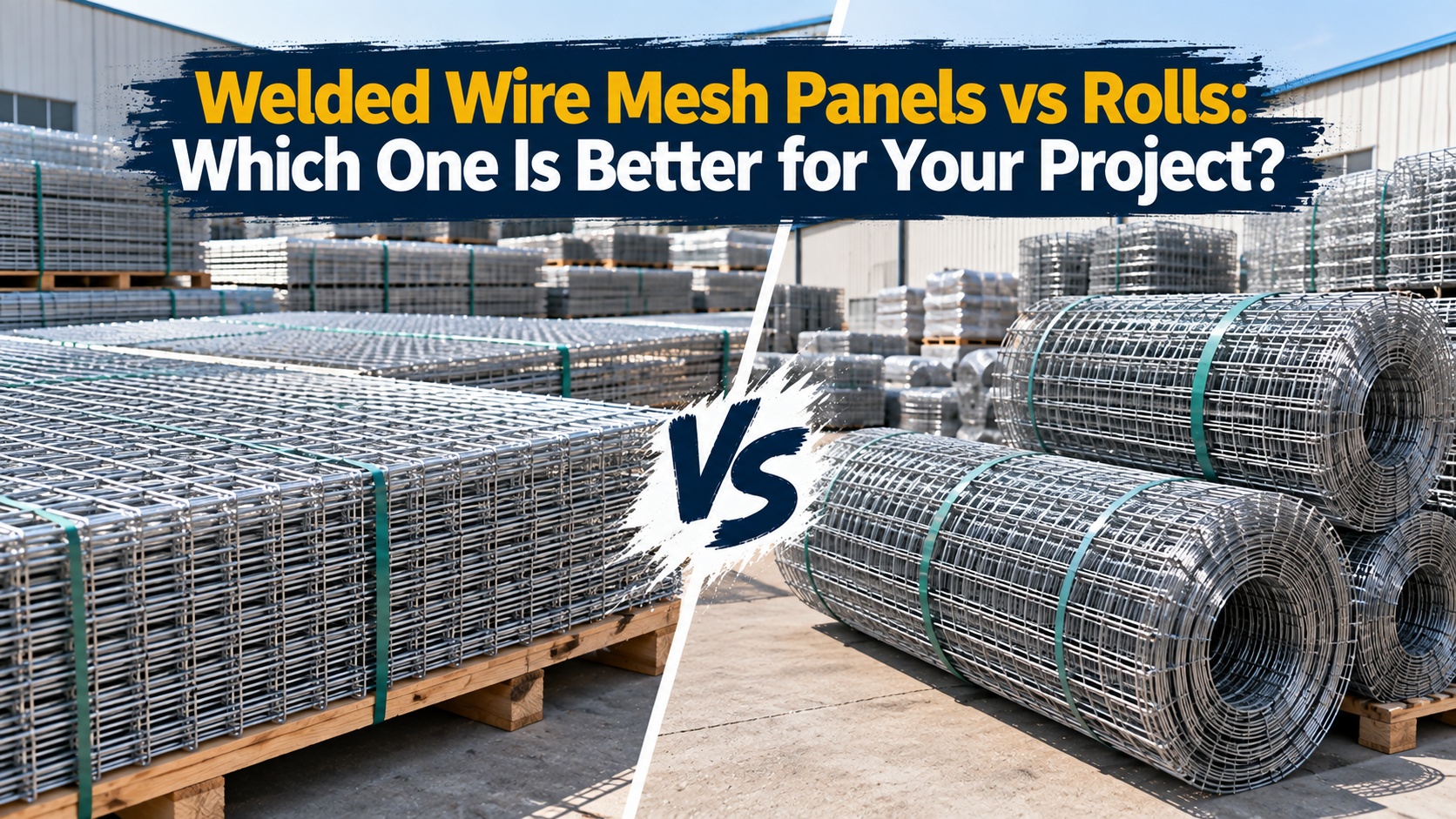


Custom Heavy Duty Chicken Wire (OEM/ODM): Packaging, Size & Brand Logo Options?
Are you tired of buying generic chicken wire that doesn't match your brand or packaging needs?

Let me walk you through exactly how our customization process works and what options you have for creating your own branded chicken wire products.
Who sells the cheapest chicken wire?
Finding cheap chicken wire seems easy until you factor in quality and shipping costs.

I learned this the hard way when I first started sourcing chicken wire for our customers. The lowest price per roll doesn't always mean the best deal. You need to consider the complete picture.
Price Factors Breakdown
| Factor | Impact on Cost | Our Advantage |
|---|---|---|
| Base Material Cost | 40-50% of total | Direct steel mill partnerships |
| Processing & Coating | 20-25% of total | In-house galvanizing facility |
| Packaging | 5-10% of total | Custom packaging at no extra cost |
| Shipping | 15-20% of total | FCL and LCL options available |
| Customization | 5-15% of total | OEM/ODM included in base pricing |
The real savings come from working directly with manufacturers like us at Dingzhou Bestar. We eliminate distributor markups and offer flexible MOQs starting at just 5 tons. Our dual facilities in China and Ethiopia also help avoid trade barriers that can add 25% or more to your costs.
Many of our customers switched from local distributors after realizing they could get better quality and lower prices by ordering directly from us. The key is finding a manufacturer who can handle your volume requirements and customization needs without charging premium prices.
What is the HS code for chicken wire?
Getting the right HS code prevents customs delays and ensures proper duty calculations.
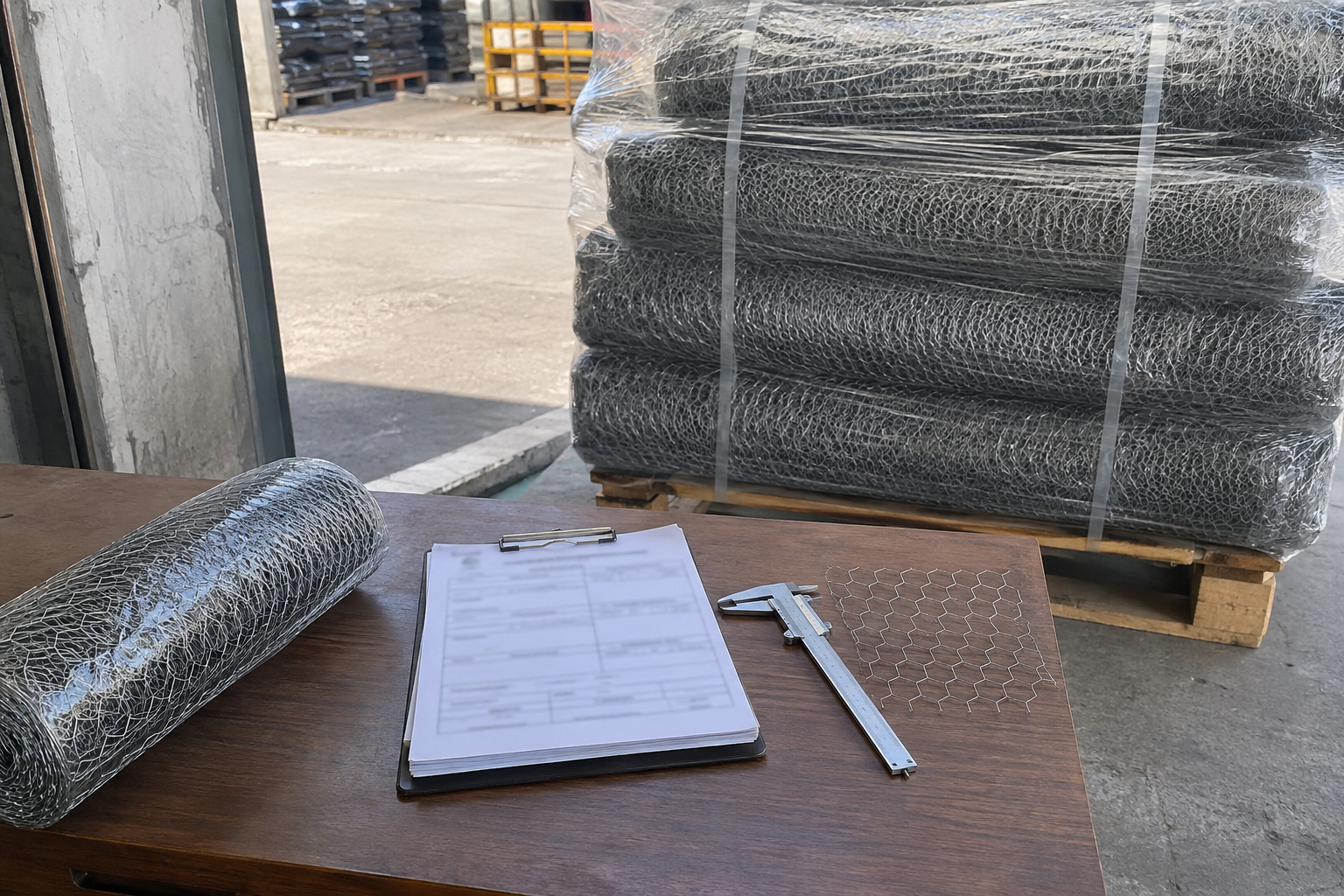
I've seen customers lose weeks in customs because they used the wrong HS code on their import documents. The classification system can be tricky because chicken wire overlaps with several categories.
Common HS Codes for Wire Mesh Products
| Product Type | HS Code | Description | Typical Duty Rate |
|---|---|---|---|
| Galvanized Chicken Wire | 7314.20 | Grill, netting and fencing | 5-15% |
| PVC Coated Wire Mesh | 7314.20 | Grill, netting and fencing | 5-15% |
| Stainless Steel Mesh | 7314.31 | Other grill/netting, stainless | 8-20% |
| Welded Wire Mesh | 7314.20 | Grill, netting and fencing | 5-15% |
The specific code depends on several factors. Wire diameter under 3mm usually stays in 7314.20, but thicker wires might fall into different categories. Coating also matters - hot-dip galvanized versus electro-galvanized can have different classifications.
We always provide the correct HS code on our commercial invoices and can help you verify the classification for your specific market. Our shipping department works with customs brokers worldwide and knows which codes work best in different countries. This saves our customers time and prevents costly delays at ports.
What size wire mesh is best for a chicken run?
Choosing the wrong mesh size leaves your chickens vulnerable to predators or creates unnecessary costs.
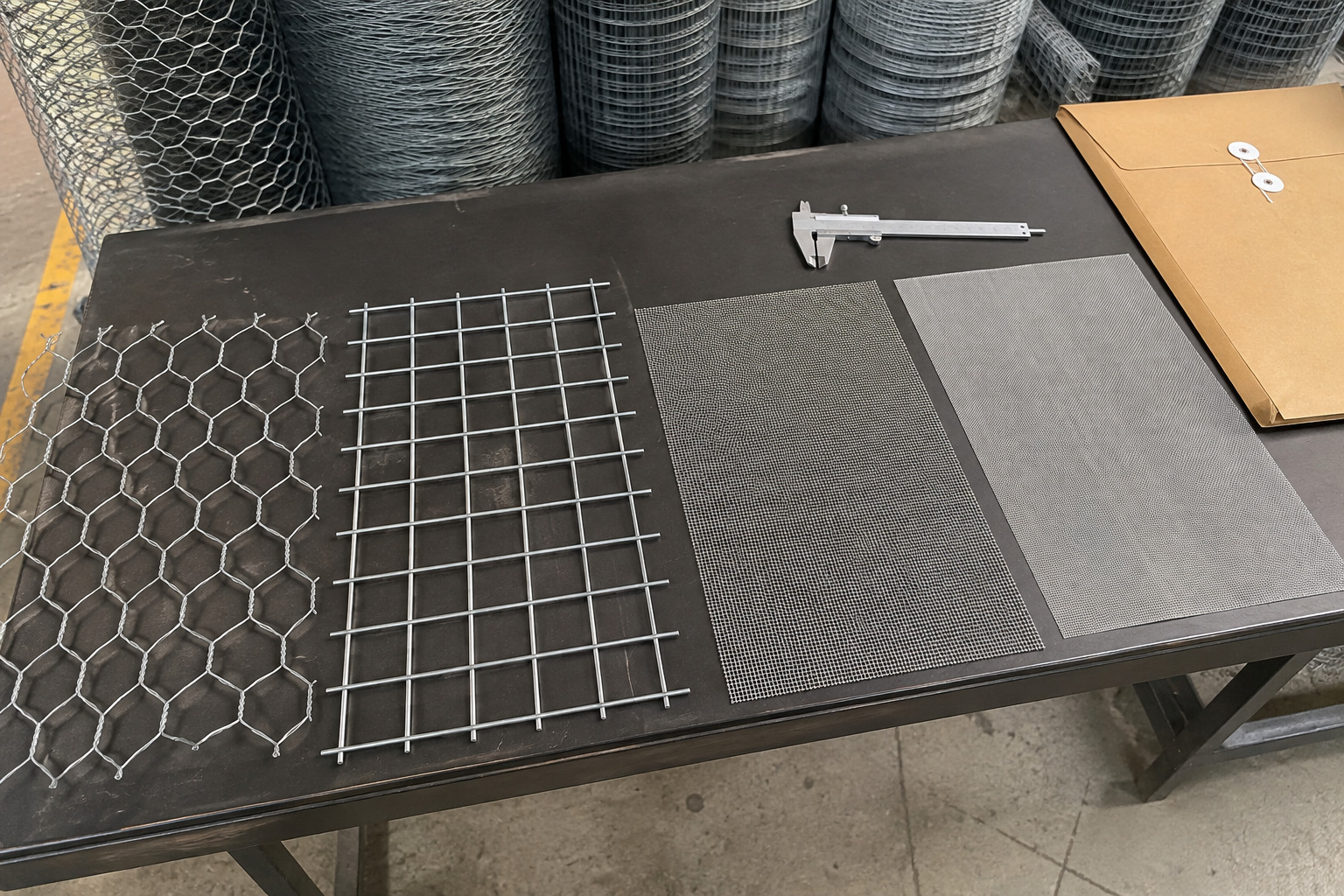
After working with hundreds of poultry farmers and backyard chicken keepers, I've learned that mesh size selection depends on your specific threats and budget.
Mesh Size Selection Guide
| Mesh Opening | Wire Gauge | Best For | Protection Level | Cost Factor |
|---|---|---|---|---|
| 1/2 inch (13mm) | 19-20 gauge | High predator areas | Maximum | 1.5x |
| 1 inch (25mm) | 20-21 gauge | Standard chicken runs | Excellent | 1.0x |
| 1.5 inch (38mm) | 21-22 gauge | Large chicken breeds | Good | 0.8x |
| 2 inch (50mm) | 22 gauge | Temporary fencing | Basic | 0.6x |
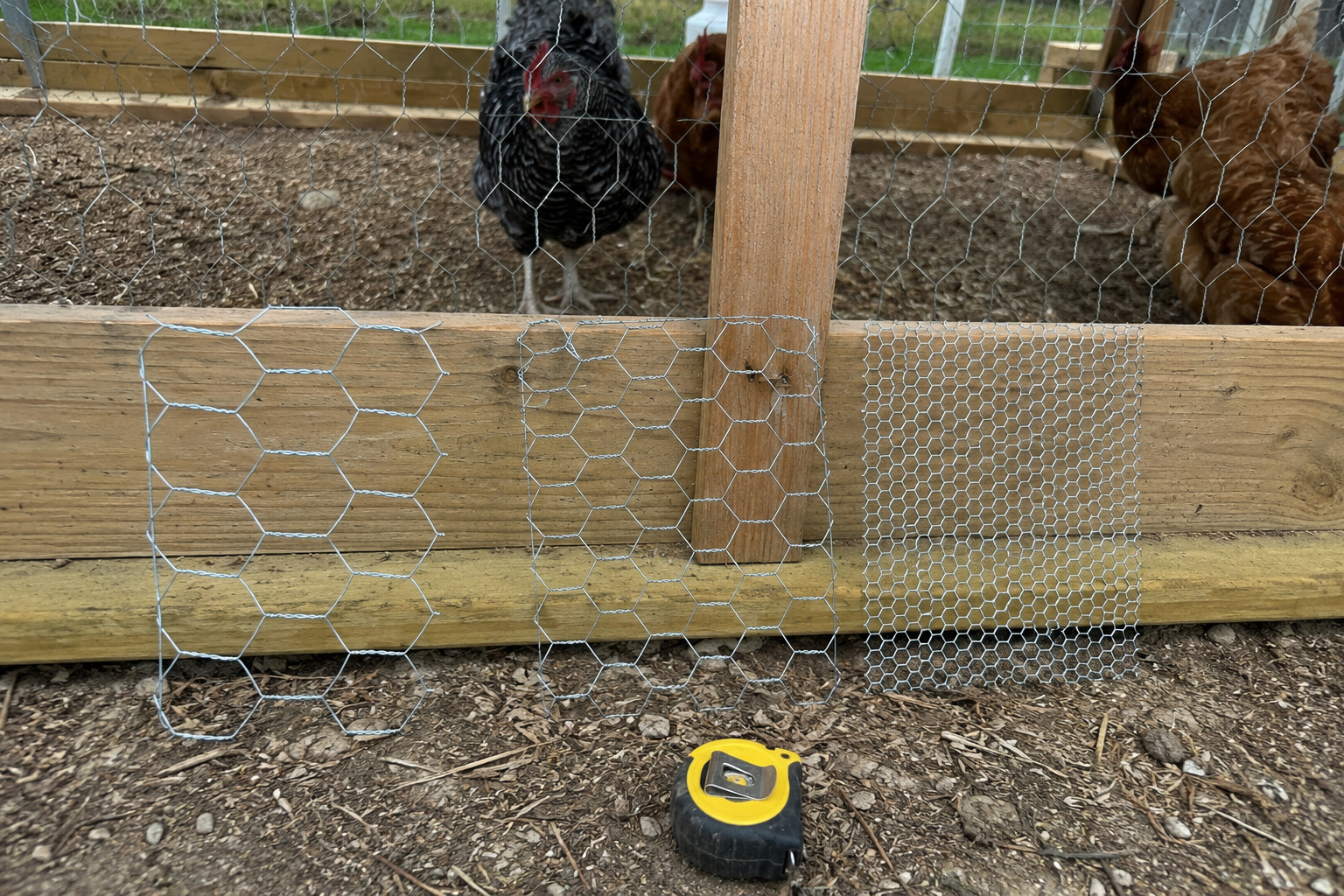
The 1-inch mesh hits the sweet spot for most applications. It keeps out raccoons, foxes, hawks, and snakes while remaining cost-effective. I recommend 20-gauge wire because it's strong enough to resist cutting but flexible enough for easy installation.
For ground-level applications, consider burying 6-8 inches of mesh to prevent digging predators. We can customize roll widths from 3 feet to 6 feet to minimize waste during installation. Our galvanized coating ensures 8-10 years of rust-free performance in outdoor conditions.
Many customers start with larger mesh to save money, then upgrade after losing chickens to predators. It's more economical to choose the right size from the beginning.
What is the HS code for wire mesh?
Wire mesh products have multiple HS code classifications that affect your import duties and compliance requirements.
Understanding these classifications helps you budget accurately and avoid customs issues. I've worked with importers who faced unexpected costs because they misclassified their products.
Complete Wire Mesh HS Code Reference
| HS Code | Product Category | Material | Typical Products | Duty Range |
|---|---|---|---|---|
| 7314.20 | Grill, netting, fencing | Iron/Steel | Chicken wire, field fence | 5-15% |
| 7314.31 | Other grill/netting | Stainless steel | Food grade mesh | 8-20% |
| 7314.39 | Other grill/netting | Other steel alloys | Specialty mesh | 8-20% |
| 7314.41 | Other cloth/grill | Stainless steel | Fine mesh cloth | 8-20% |
| 7314.42 | Other cloth/grill | Other steel | Industrial mesh | 8-20% |
| 7616.99 | Other aluminum articles | Aluminum | Insect screen, gutters | 3-10% |
The key factors for classification include wire diameter, mesh opening, construction method (welded vs. woven), and surface treatment. Even small specification changes can shift your product into a different HS code category.
We provide detailed product specifications and suggested HS codes for all our wire mesh products. Our documentation includes wire gauge, mesh opening, coating type, and construction method to help customs brokers make accurate classifications. This reduces the risk of delays or duty adjustments at import.
Our shipping team maintains relationships with customs brokers in major markets and can provide country-specific guidance for HS code selection and duty optimization.
Our Complete OEM/ODM Customization Process
Getting custom chicken wire with your brand and packaging is simpler than most people think. Here's exactly how our process works:
Step 1: Product Selection
Choose from our standard chicken wire options or specify custom requirements. We manufacture hexagonal wire mesh in various gauges and coatings.
Step 2: Specification Confirmation
Confirm mesh opening size, wire diameter, coating type, and roll dimensions. Our technical team verifies feasibility and suggests optimizations.
Step 3: Packaging Design
Select from standard packaging or provide your custom design. We handle everything from simple logo printing to complete package redesign.
Step 4: Brand Logo Submission
Send us your logo files in vector format. We'll create packaging mockups and product samples with your branding.
Step 5: Quantity Planning
Determine your order quantity based on our 5-ton minimum. We offer flexible packaging to optimize container utilization.
Step 6: Sample and Approval
We provide product samples with your packaging for quality verification. Sample costs are negotiable against final orders.
Step 7: FOB Quotation
Receive detailed pricing based on specifications, quantity, and packaging requirements. Our quotes include all customization costs.
Step 8: Production and Shipping
Production typically takes 15-25 days depending on order size. We handle both FCL and LCL shipments worldwide.
What Information We Need for Your Quote
This complete information helps us provide accurate pricing and lead times for your custom chicken wire project.
Conclusion
Custom chicken wire with your brand and packaging is achievable with the right manufacturing partner and clear specifications.