

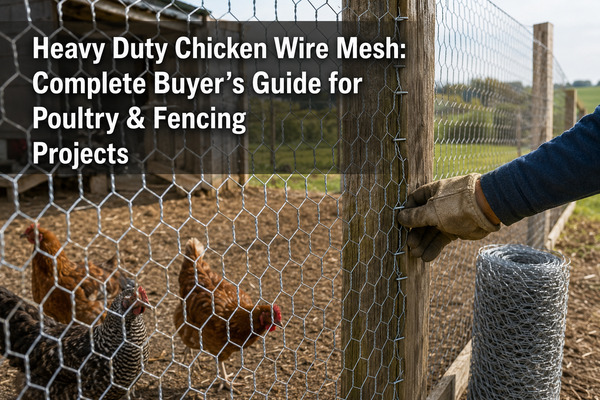
Heavy Duty Chicken Wire Mesh: Complete Buyer's Guide for Poultry & Fencing Projects
Are you tired of flimsy chicken wire that breaks after just one season? You're not alone - many poultry owners struggle with wire mesh that can't handle weather or predators.

I've been in the wire mesh manufacturing business for over a decade at Dingzhou Bestar, and I've seen countless customers make costly mistakes with their chicken wire choices. The difference between success and failure often comes down to understanding wire gauge, mesh size, and coating quality. Let me share what I've learned from working with thousands of poultry farmers and contractors worldwide.
What size wire mesh is best for a chicken run?
Choosing the wrong mesh size can turn your chicken run into a predator buffet. Many first-time buyers focus only on keeping chickens in, forgetting about keeping threats out.
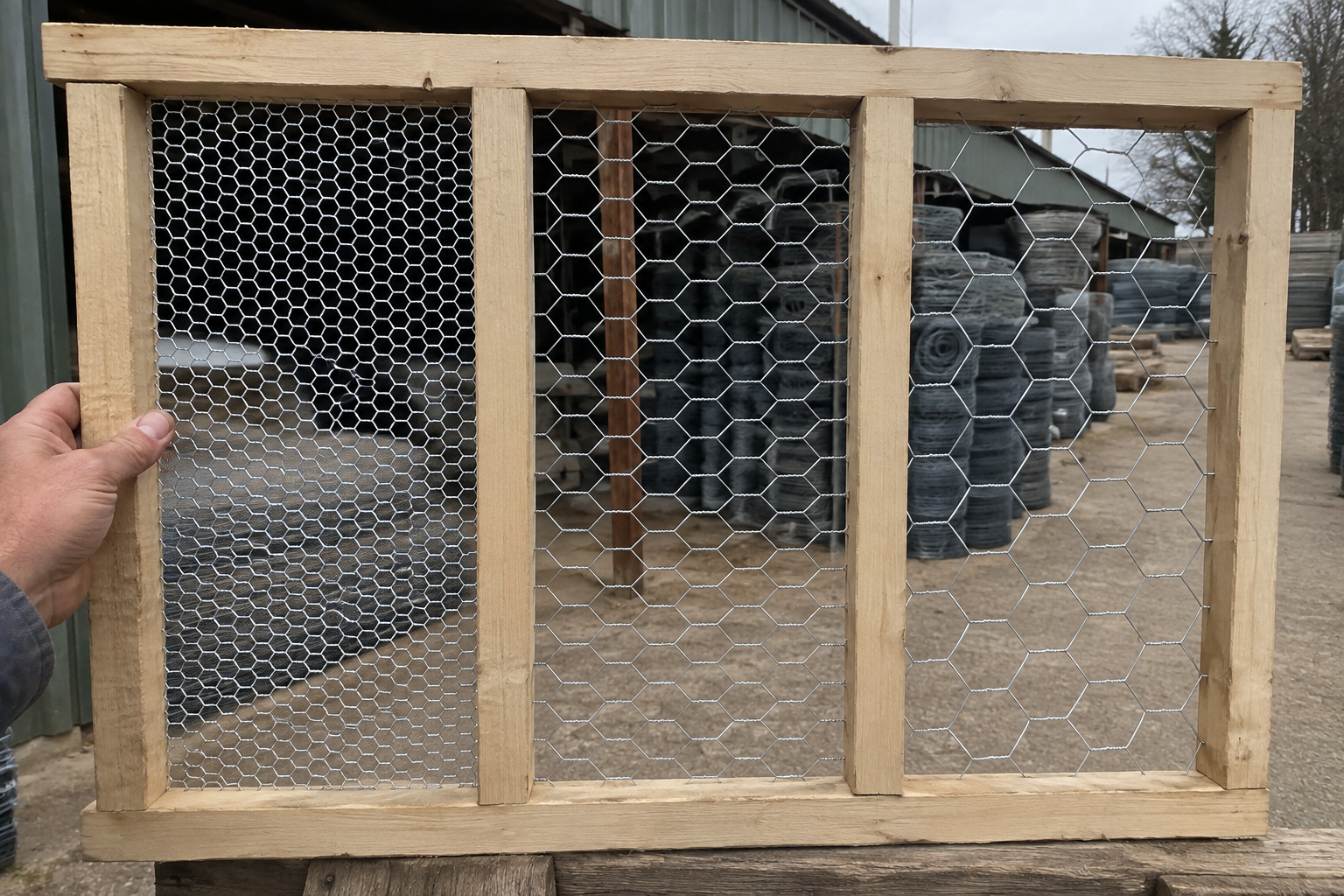
The mesh opening size directly affects your flock's safety and your project's success. I remember working with a customer in Kenya who initially wanted 2-inch openings to save money. Three months later, he contacted us again after losing several chickens to snakes and weasels that squeezed through the larger holes.
Here's what different mesh sizes offer:
| Mesh Size | Best Use | Predator Protection | Ventilation | Cost |
|---|---|---|---|---|
| 1/2 inch | Chick areas, high predator zones | Excellent | Good | High |
| 1 inch | Standard chicken runs | Very Good | Excellent | Medium |
| 2 inch | Large bird containment only | Poor | Excellent | Low |
The 1-inch hexagonal mesh strikes the perfect balance. It blocks most predators including rats, snakes, and weasels while maintaining excellent airflow. Smaller openings like 1/2 inch work well for baby chicks or areas with severe predator pressure, but they reduce ventilation and increase cost significantly.
Wire thickness matters just as much as opening size. I recommend 16-19 gauge wire for most chicken runs. Thinner wire (higher gauge numbers) might seem adequate but often fails under stress. A customer in South Africa learned this lesson when local baboons destroyed his 20-gauge installation in one afternoon.
Consider your specific environment when choosing mesh size. Urban areas with cats and small predators do well with 1-inch mesh. Rural locations with larger threats like foxes or raccoons might benefit from 1/2-inch openings in critical areas, especially near ground level where predators typically attack.
Is poultry netting the same as chicken wire?
This confusion costs buyers thousands of dollars in wrong purchases every year. Many people use these terms interchangeably, but they represent very different products with distinct applications.

The confusion stems from marketing terminology and regional differences in product naming. At our factory, we manufacture both types, and I see this mix-up regularly in customer inquiries. Understanding the differences helps you choose the right product for your specific needs.
Traditional chicken wire features hexagonal openings created by twisting galvanized steel wires together. This twisted construction gives it flexibility while maintaining strength. The galvanized coating protects against rust and corrosion, making it suitable for permanent outdoor installations. Most chicken wire comes in rolls ranging from 25 to 150 feet long with heights from 1 to 6 feet.
Poultry netting often refers to lightweight alternatives including plastic mesh, temporary electric netting, or very thin wire products. These solutions work well for temporary containment or gentle deterrent applications but lack the durability for permanent chicken coop construction.
Chicken Wire Characteristics
- Galvanized steel construction
- Hexagonal twisted mesh pattern
- Permanent installation capability
- Weather resistant coating
- Available in multiple gauges
- Requires proper tensioning for installation
Poultry Netting Alternatives
- Often plastic or very thin wire
- Various mesh patterns
- Temporary or semi-permanent use
- May lack weather resistance
- Usually lighter weight
- Easier installation but less durable
A contractor in Nigeria made this mistake when he ordered "poultry netting" for a large commercial chicken farm. The plastic netting he received couldn't withstand the local climate and predator pressure. We had to rush-ship proper galvanized chicken wire to complete his project on schedule.
When shopping, always specify "galvanized steel chicken wire" or "hexagonal wire mesh" to avoid confusion. Ask about wire gauge, coating type, and intended use to ensure you receive the right product for your application.
What is the strongest chicken wire?
Strength determines whether your investment lasts years or fails within months. I've tested countless wire mesh products, and the strongest options share specific characteristics that many buyers overlook.
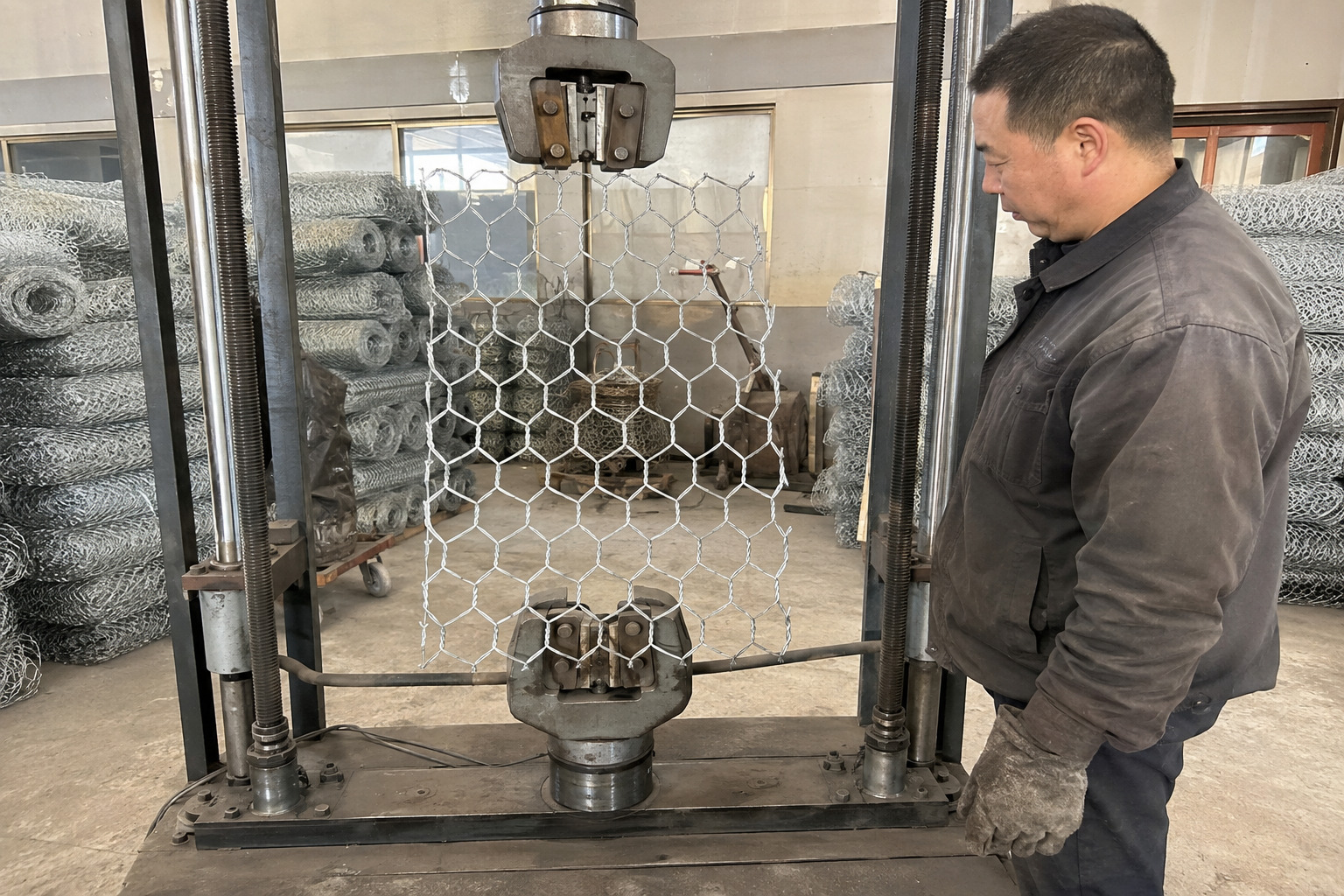
Wire gauge represents the most critical strength factor. Lower gauge numbers indicate thicker, stronger wire. Standard residential chicken wire typically uses 19-20 gauge wire, which works fine for basic applications. However, commercial operations and high-stress environments require 14-16 gauge wire for maximum durability.
The galvanizing process significantly affects long-term strength. Hot-dip galvanizing provides superior corrosion protection compared to electro-galvanizing. Our heavy-duty chicken wire receives a minimum 60g/m² zinc coating, which prevents rust formation even in coastal or high-humidity environments.
I worked with a large poultry operation in Ethiopia that needed wire mesh capable of withstanding both predator attacks and harsh weather conditions. We supplied 14-gauge hot-dip galvanized hexagonal mesh that has performed flawlessly for over five years despite challenging conditions.
Strength Comparison by Wire Gauge
| Wire Gauge | Tensile Strength | Best Applications | Relative Cost |
|---|---|---|---|
| 14 gauge | Highest | Commercial operations, large predators | Premium |
| 16 gauge | Very High | Heavy-duty residential, medium predators | High |
| 19 gauge | Standard | Basic chicken coops, light use | Standard |
| 20+ gauge | Light | Temporary use, gentle containment | Economy |
Manufacturing quality also affects strength. Properly twisted hexagonal mesh distributes stress evenly across the entire surface. Poor manufacturing creates weak points where wires connect, leading to premature failure. Our quality control process includes tensile testing on every production batch to ensure consistent strength.
Consider your specific strength requirements when choosing chicken wire. Urban backyard coops with minimal predator pressure can use standard 19-gauge wire effectively. Rural installations facing coyotes, dogs, or large birds need 16-gauge minimum. Commercial operations should invest in 14-gauge wire for maximum longevity and security.
Climate affects strength requirements too. Coastal areas with salt air need heavy galvanizing to prevent corrosion. Desert environments with extreme temperature swings require wire that maintains flexibility without becoming brittle. Cold climates need mesh that won't crack during freeze-thaw cycles.
Is 19 gauge wire strong enough for a chicken coop?
This question comes up in almost every customer consultation. The answer depends entirely on your specific situation, but many people underestimate the forces their chicken wire will face over time.
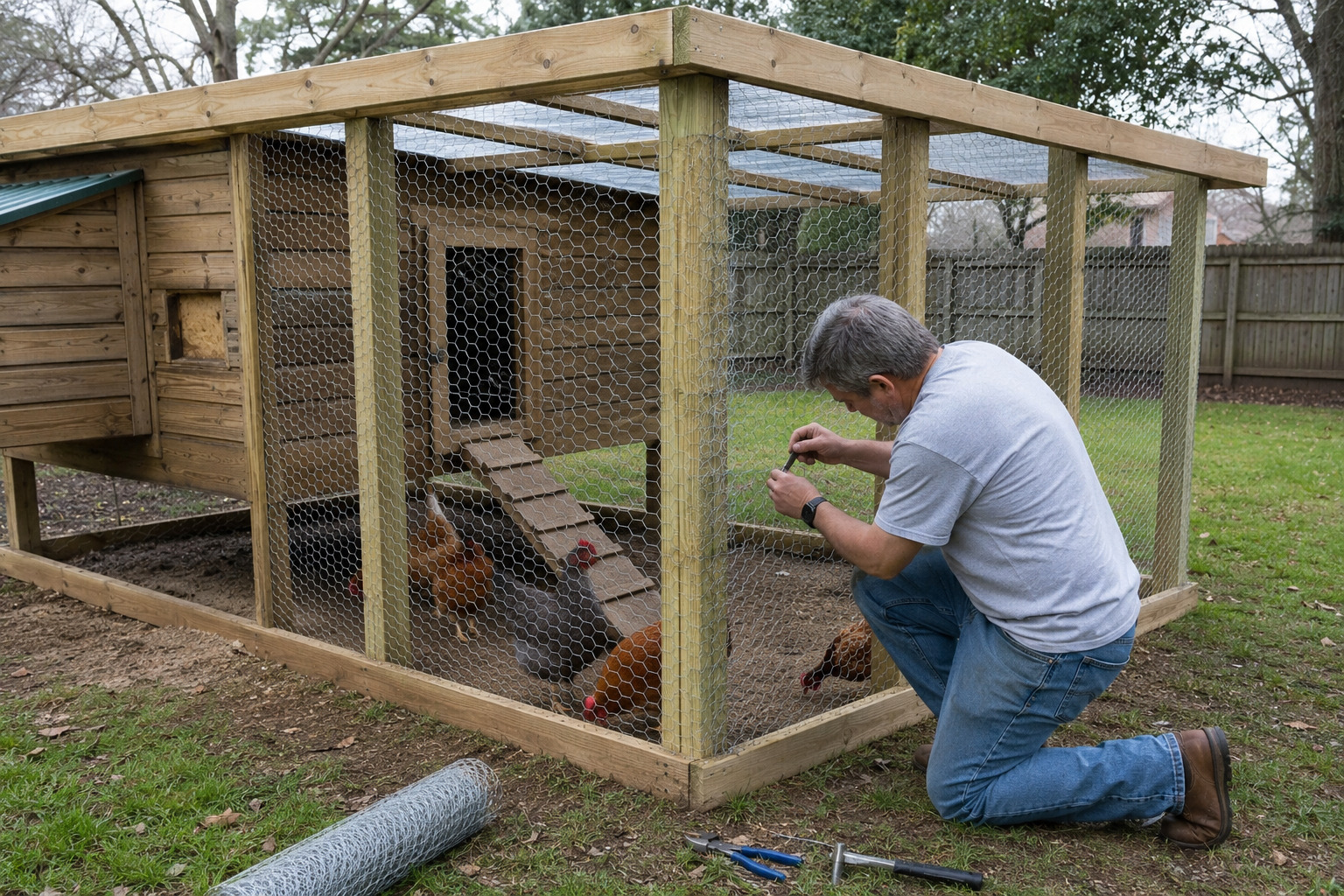
I always tell customers that 19-gauge wire represents the minimum acceptable standard for chicken coop construction. It works well in controlled environments but has limitations that become apparent under stress. Understanding these limitations helps you make an informed decision based on your specific needs.
The tensile strength of 19-gauge galvanized wire typically ranges from 350-400 pounds per square inch. This strength handles normal chicken movement, weather loads, and minor predator encounters. However, determined predators like dogs, raccoons, or large birds can damage or penetrate 19-gauge mesh with sustained effort.
A customer in rural Texas learned this lesson when coyotes repeatedly tested his 19-gauge chicken wire until they found weak spots. After losing several birds, he upgraded to 16-gauge wire and hasn't had problems since. The initial cost savings weren't worth the livestock losses and stress.
Situations Where 19-Gauge Wire Works Well
- Urban or suburban locations with minimal predator pressure
- Temporary or seasonal chicken housing
- Budget-conscious projects with lower risk tolerance
- Areas with existing perimeter fencing providing additional security
- Small flocks with attentive daily monitoring
Situations Requiring Heavier Gauge Wire
- Rural locations with active predator populations
- Permanent installations expected to last 10+ years
- Commercial operations with valuable breeding stock
- Areas with extreme weather conditions
- Locations requiring minimal maintenance access
Consider the total cost of ownership when evaluating wire gauge options. While 19-gauge wire costs less initially, replacement costs can exceed the savings if it fails prematurely. A customer in Australia calculated that upgrading from 19-gauge to 16-gauge wire added only 15% to his project cost but potentially doubled the installation's lifespan.
Installation technique affects 19-gauge wire performance significantly. Proper tensioning prevents sagging that creates weak points. Adequate post spacing, typically 8-10 feet maximum, distributes loads evenly. Quality fasteners prevent wire pullout during stress events.
Weather exposure also influences 19-gauge wire suitability. Covered runs protect the wire from UV degradation and reduce thermal expansion stress. Exposed installations face more challenging conditions that favor heavier gauge options.
Conclusion
Heavy duty chicken wire requires careful consideration of gauge, coating, and application requirements to ensure long-term success and flock protection.