

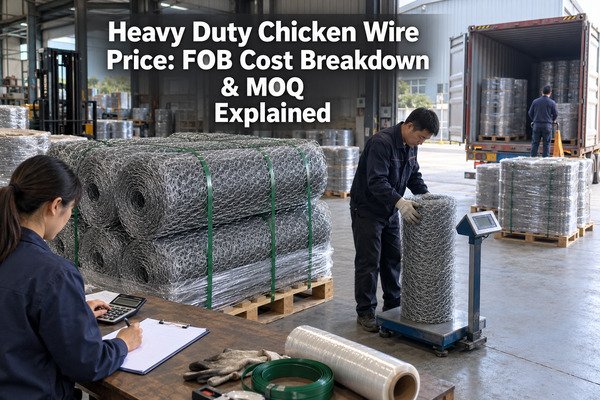
Heavy Duty Chicken Wire Price: FOB Cost Breakdown & MOQ Explained
You need chicken wire pricing but keep getting quotes that don't match up. Different suppliers quote different ways, making comparison nearly impossible.

I learned this lesson the hard way when I started helping importers source chicken wire from our factory in China. Early customers would send me competitor quotes that looked cheaper on paper. But when we broke down the actual specifications and packaging costs, our quotes were often more competitive. The problem was not the pricing - it was how different suppliers structure their quotations.
How Much Does Heavy Duty Chicken Wire Cost?
Getting a straight answer on chicken wire costs feels like solving a puzzle. Every supplier quotes differently, making your job harder than it should be.

The wide price range exists because "heavy duty chicken wire" means different things to different people. I have seen customers ask for quotes on "1-inch chicken wire" and receive prices that varied by 40% between suppliers. The reason was simple - one supplier quoted for 25mm mesh with 1.2mm wire diameter, while another quoted for 25mm mesh with 1.6mm wire diameter.
Here is how we structure our quotations at Dingzhou Bestar to avoid this confusion:
| Specification Component | Price Impact | Example Options |
|---|---|---|
| Mesh Opening Size | Low | 13mm, 19mm, 25mm, 50mm |
| Wire Diameter | High | 0.9mm, 1.2mm, 1.6mm, 2.0mm |
| Coating Type | Medium | Hot-dip galvanized, electro galvanized, PVC coated |
| Roll Width | Low | 0.5m, 1.0m, 1.2m, 1.5m, 2.0m |
| Roll Length | Medium | 25m, 30m, 50m, 100m |
Wire diameter has the biggest impact on cost because thicker wire requires more raw material. A 1.6mm wire diameter uses roughly 75% more steel than 1.2mm wire. When steel prices fluctuate, this difference becomes even more significant.
The coating choice also affects pricing substantially. Hot-dip galvanized coating costs more than electro galvanized, but it lasts 3-5 times longer in outdoor applications. For importers serving construction contractors or farmers, the extra coating cost often pays for itself through reduced customer complaints and returns.
What Is Included in a Chicken Wire FOB Price?
FOB quotations should be simple, but many suppliers leave out important details. This creates problems when your container arrives and costs more than expected.

At our factory, we learned to be extremely specific about what our FOB price covers after several customers complained about "hidden charges." Now our standard FOB quotation includes these components:
Product Manufacturing
- Wire drawing and galvanizing
- Mesh weaving or welding
- Quality control testing
- Standard product marking
Standard Packaging
- Plastic film wrapping
- Steel banding or wire ties
- Basic product labels
- Moisture protection
Export Services
- Loading into container
- Export documentation
- Fumigation certificate
- Certificate of origin
What FOB Does NOT Include
- Custom packaging design
- Wooden pallets unless specified
- Private label printing
- Special certifications
- Insurance or freight costs
The biggest confusion happens with packaging. Our standard packaging works fine for most importers, but some customers need wooden pallets for easier handling or custom printed packaging for retail sales. These services cost extra because they require additional labor and materials.
I always tell customers to specify their packaging requirements upfront. Adding wooden pallets after we quote can increase costs by $15-25 per metric ton. Custom printed packaging can add $50-150 per metric ton depending on the design complexity.
Why Do Chicken Wire Prices Vary Between Suppliers?
You receive five quotations for the same chicken wire specification, but prices differ by 30% or more. The variations seem random until you understand what drives them.
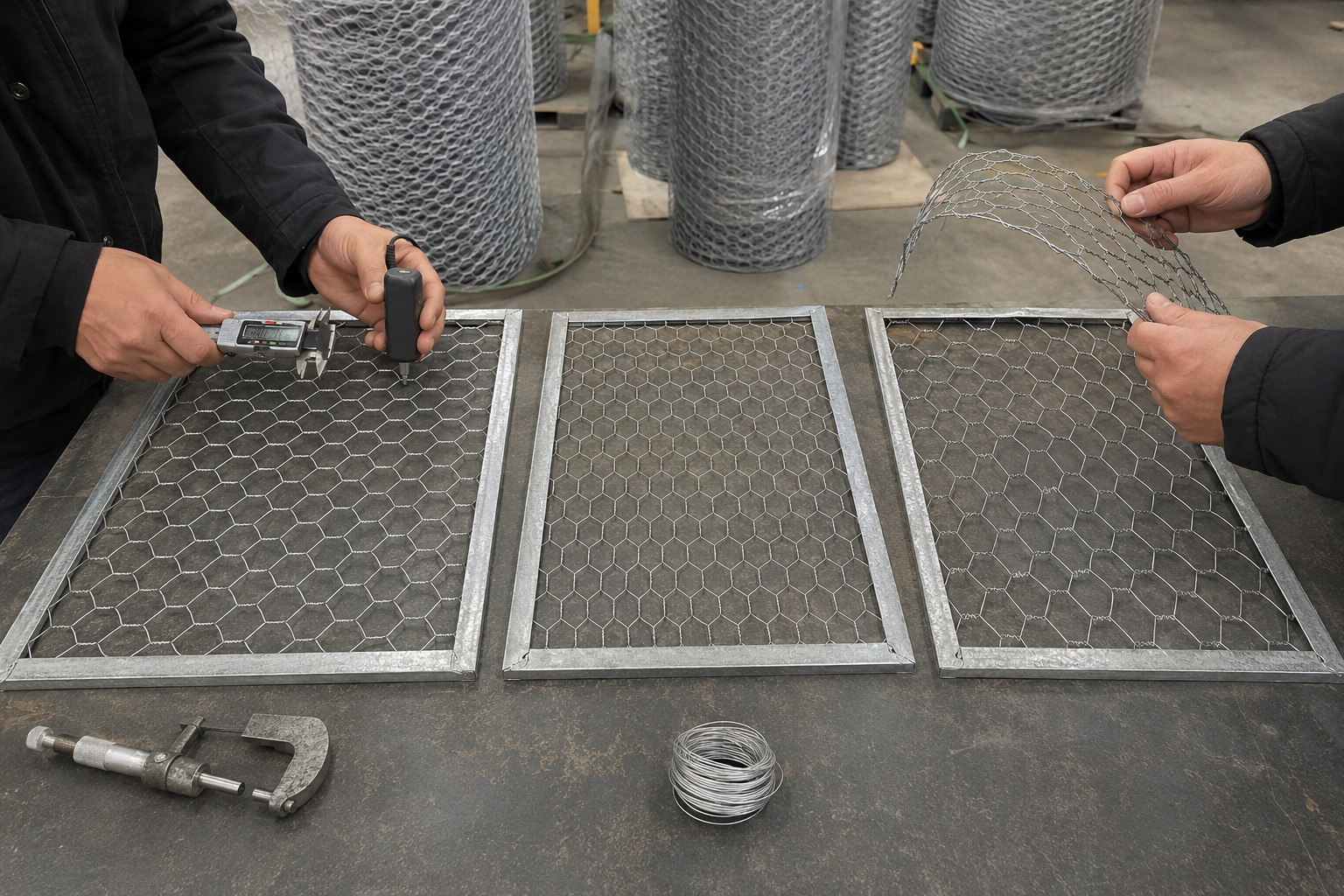
After working with hundreds of importers, I have identified the main reasons for price variations between suppliers:
Raw Material Quality:
Different suppliers use different grades of steel wire. Some use recycled steel, which costs less but has inconsistent properties. Others use virgin steel rod, which costs more but provides consistent quality. The price difference can be $50-150 per metric ton.
Manufacturing Location:
Factories in different regions have different cost structures. Coastal factories near ports have lower shipping costs but higher labor costs. Inland factories like ours in Dingzhou have lower labor costs but slightly higher domestic transportation costs.
Quality Control Standards:
Some suppliers skip quality control steps to reduce costs. They might not test coating thickness, tensile strength, or corrosion resistance. These savings get passed to customers as lower prices, but often create problems later.
Certification Costs:
Factories with ISO certifications, CE marking, or other quality certifications have higher overhead costs. These certifications cost money to maintain but provide assurance about consistent quality standards.
Production Scale:
Larger factories can spread fixed costs across more production volume, reducing per-unit costs. Smaller factories might have higher costs but more flexibility for custom orders.
At Dingzhou Bestar, we position ourselves in the middle of the market. We use virgin steel rod and maintain ISO quality standards, but we keep costs reasonable through efficient production processes and our location in Hebei Province.
How Does MOQ Affect Chicken Wire Cost?
Small quantity orders always cost more per unit, but the exact impact varies significantly between suppliers. Understanding MOQ structures helps you plan orders more effectively.

Our MOQ structure at Dingzhou Bestar reflects the realities of steel wire manufacturing:
5 Metric Tons - Standard MOQ
- Covers basic setup costs
- Standard pricing applies
- Mix multiple specifications allowed
- Suitable for LCL shipments
10-19 Metric Tons
- 3-5% price reduction
- Priority production scheduling
- Better packaging options
- Ideal for first-time importers
20+ Metric Tons
- 8-12% price reduction
- Dedicated production run
- Custom packaging included
- FCL shipping advantages
Below 5 Metric Tons
- $300 setup fee applies
- Limited specification options
- Extended lead times
- Not recommended for regular orders
The economics work this way because wire mesh production involves significant setup time. We need to adjust machine settings, change wire spools, and recalibrate tension settings for each specification. These setup costs get spread across the order quantity.
For importers just starting out, I recommend beginning with our 5-ton MOQ across 2-3 popular specifications. This approach lets you test market demand without excessive inventory investment. Once you identify your best-selling products, you can increase order quantities to capture better pricing.
Many customers ask about mixing different products to reach MOQ. We allow this flexibility because it helps new importers get started. You might order 2 tons of 1-inch mesh, 2 tons of 1/2-inch mesh, and 1 ton of hardware cloth to reach our 5-ton minimum.
How Can Importers Compare Chicken Wire Quotations Correctly?
Comparing quotations from different suppliers often feels like comparing apples to oranges. Each supplier formats their quotes differently and includes different specifications.

Step 1: Standardize Specifications
Create a detailed specification sheet that every supplier must quote against:
- Mesh opening in millimeters, not inches
- Wire diameter using a specific measurement, not only gauge
- Coating type and thickness
- Roll width and length
- Tensile strength requirements
- Packaging preferences
Step 2: Break Down Total Landed Cost
Don't just compare headline FOB prices. Calculate the complete cost structure:
| Cost Component | Supplier A | Supplier B | Supplier C |
|---|---|---|---|
| FOB Price/MT | $1,200 | $1,150 | $1,280 |
| Packaging Upgrade | $25 | $0 | $50 |
| Freight to Port | $45 | $60 | $40 |
| Documentation | $15 | $25 | $10 |
| Total FOB Cost | $1,285 | $1,235 | $1,380 |
Step 3: Evaluate Quality Factors
- Request coating thickness certificates
- Ask for tensile strength test reports
- Check factory certifications
- Verify production capacity
- Review customer references
Step 4: Assess Service Capabilities
- Minimum order quantities
- Lead time consistency
- Communication responsiveness
- Problem resolution history
- Technical support availability
Step 5: Request Samples
Never place large orders without testing samples first. We charge a basic fee for samples, usually $50-100 including shipping, but we credit this amount against your first order. Sample testing reveals quality differences that specifications alone cannot capture.
The most common mistake I see is customers choosing the lowest-priced supplier without considering total cost of ownership. A supplier offering 10% lower FOB prices might cost more overall if they have quality problems, delayed shipments, or poor communication.
Does FCL or LCL Make More Sense for Your Order?
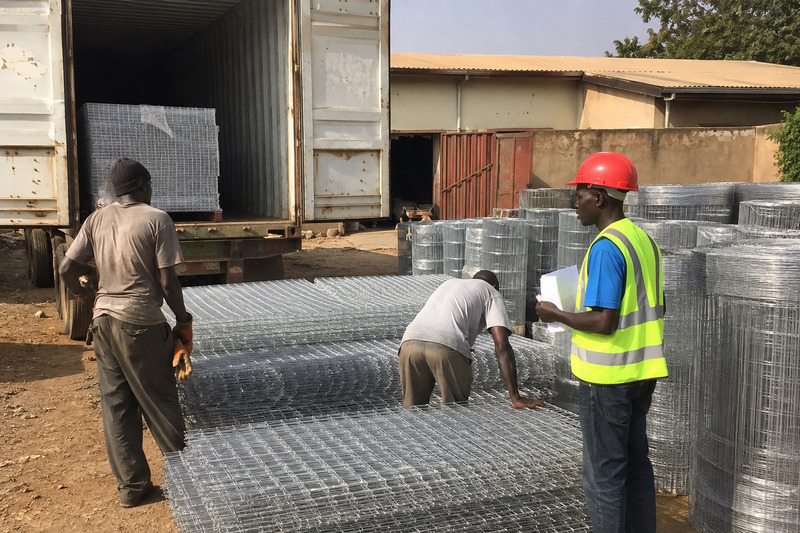
Choosing between full container load (FCL) and less than container load (LCL) affects both your costs and inventory management. The decision depends on your order size, cash flow, and market demand patterns.
FCL Advantages
A 20-foot container holds approximately 22 metric tons:
- Lower shipping cost per metric ton
- Faster port clearance
- Better cargo protection
- No cargo consolidation delays
- Exclusive container control
FCL Considerations
- Higher upfront investment
- Increased inventory carrying costs
- Need for larger storage space
- Greater cash flow impact
- Market demand uncertainty
LCL Advantages
- Lower initial investment
- Flexible order quantities
- Reduced inventory risk
- Better cash flow management
- Easier market testing
LCL Disadvantages
- Higher shipping cost per unit
- Longer transit times
- Potential cargo damage from handling
- Consolidation delays
- Less scheduling control
At Dingzhou Bestar, we support both shipping methods because different customers have different needs. New importers often start with LCL shipments to test market demand. Once they establish sales patterns, they typically switch to FCL for better economics.
For customers ordering 15-20 metric tons, we often recommend splitting the order across two LCL shipments spaced 30-45 days apart. This approach provides some of FCL's volume benefits while maintaining better inventory turnover.
The break-even point varies by destination port, but generally FCL becomes advantageous at 18+ metric tons to most destinations. We provide detailed shipping cost comparisons to help customers make informed decisions based on their specific circumstances.
Conclusion
Understanding chicken wire pricing requires looking beyond simple per-ton costs to include specifications, MOQ impacts, and total landed costs for accurate supplier comparisons.