

How to Choose the Right Gauge & Mesh Size for Heavy Duty Chicken Wire?
I spent three years helping contractors pick the wrong chicken wire. They would call back angry because their fence broke after six months. The problem was not the price or the supplier. The problem was they never learned how to write a proper specification.
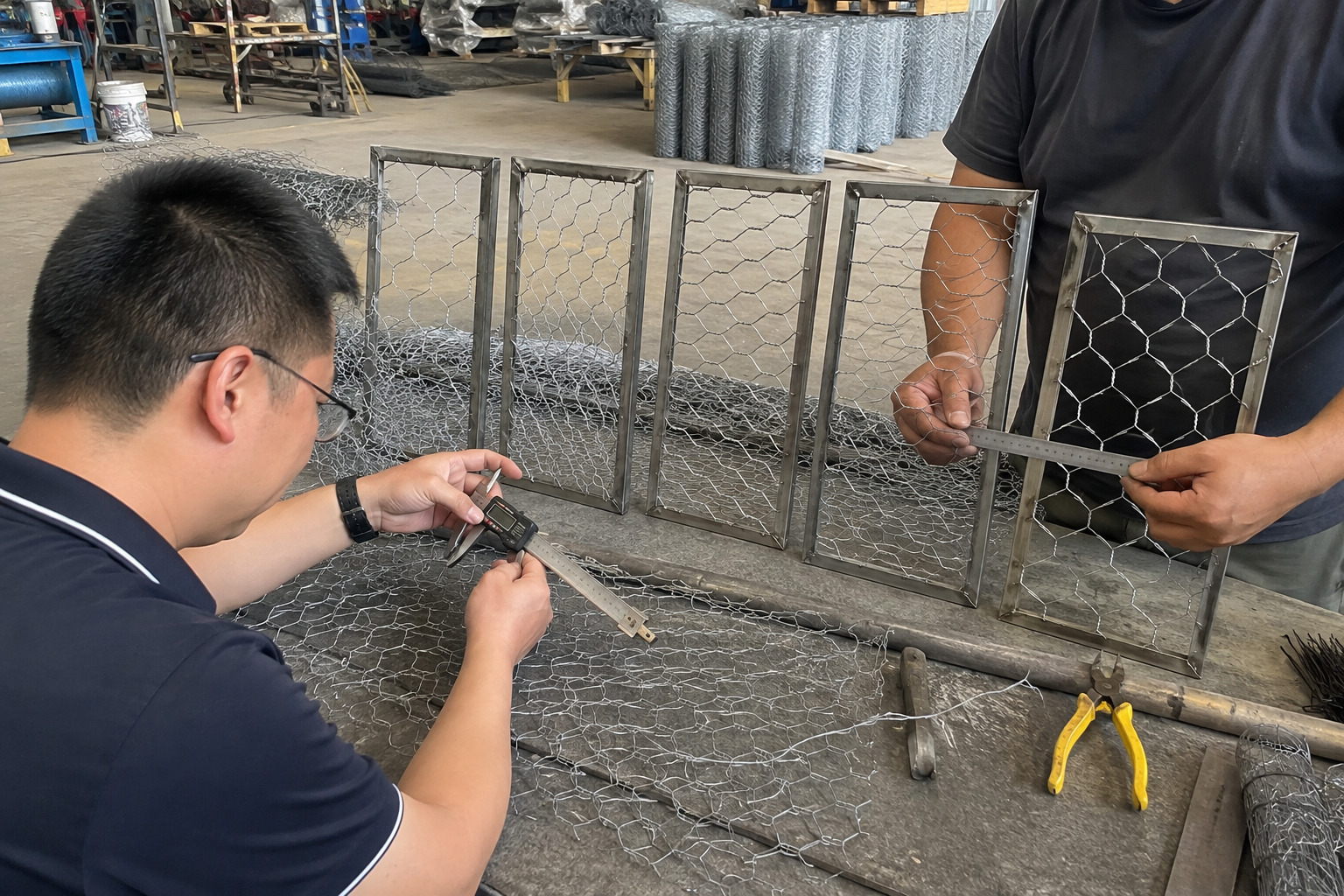
Most people think chicken wire is just chicken wire. But I learned the hard way that one wrong number in your specification can cost you thousands in replacement costs. Let me show you how to build a specification that works.
What is the strongest chicken wire?
You want the strongest chicken wire but the sales guy keeps throwing numbers at you. Wire gauge, tensile strength, coating thickness. It sounds like engineering gibberish when you just need a fence that works.

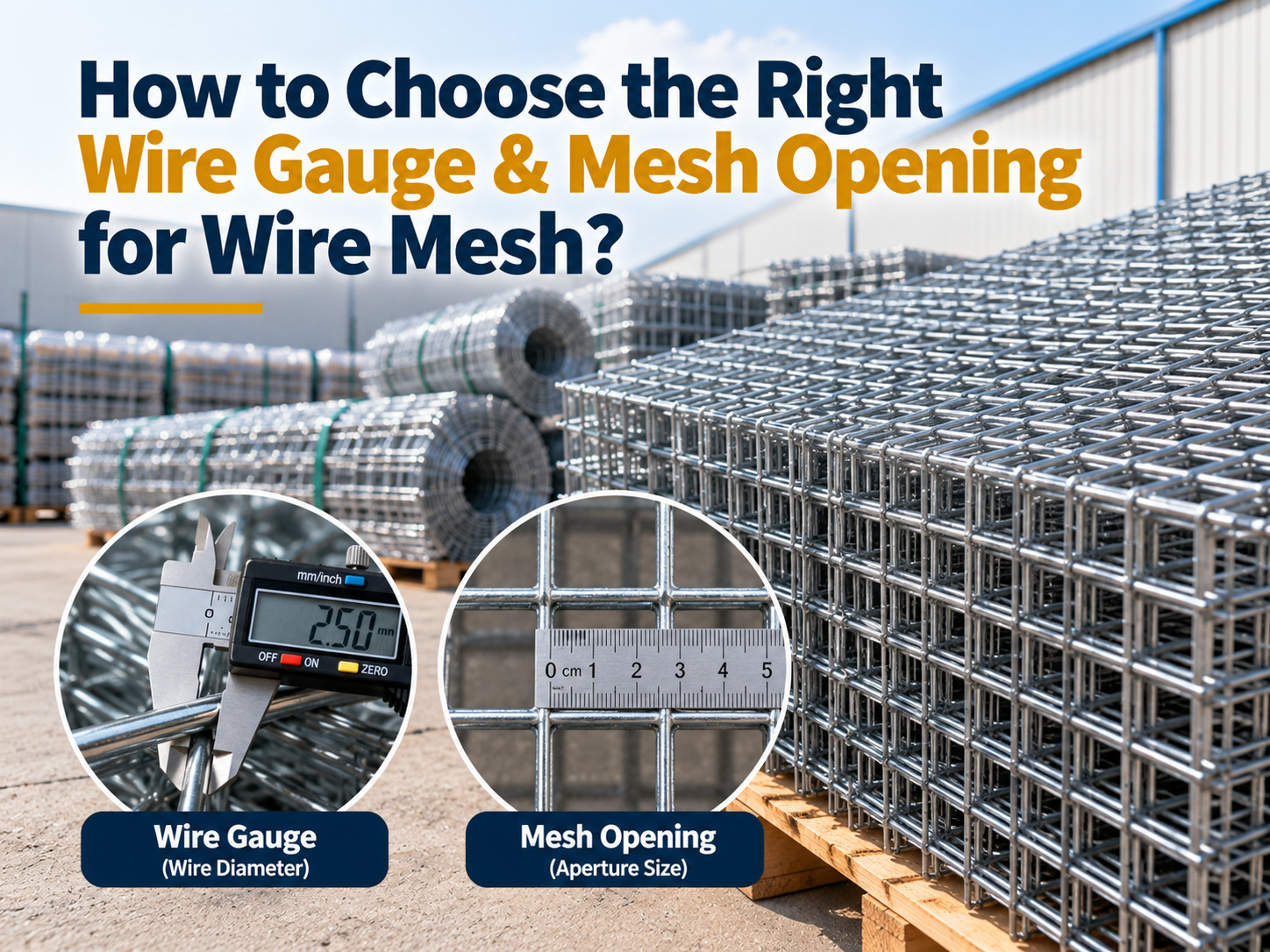
The strength of chicken wire depends on four factors working together. First is wire diameter - 14 gauge wire is 0.080 inches thick while 16 gauge is only 0.063 inches. That extra 0.017 inches makes a huge difference when a 200-pound animal hits your fence.
Second is the mesh pattern. Hexagonal mesh distributes force better than square mesh because the angles redirect impact energy. Third is the galvanizing process. Hot-dip galvanizing creates a zinc layer that bonds to the steel at the molecular level. Electro-galvanized coating just sits on top and flakes off in two years.
Fourth is the steel grade underneath. High carbon steel wire has higher tensile strength than mild steel.
Here's what I tell my customers: if you're protecting valuable livestock or keeping out serious predators, start with 14 gauge. If budget is tight and you're just marking boundaries, 16 gauge works. But never go lighter than 16 gauge for anything permanent.
14 AWG hot-dip galvanized hexagonal wire mesh, 1" opening, high carbon steel core, ASTM A116 coating standard.
Send that to any wire mesh factory and you'll get quotes for bulletproof chicken wire.
Which is heavier fencing, 14 gauge or 16 gauge?
The gauge numbers confuse everyone. Higher numbers mean thinner wire, which seems backwards. But once you understand the weight difference, you'll never forget which gauge is stronger.

The American Wire Gauge system works backwards from what you expect. Lower numbers mean thicker wire. 14 gauge wire has a diameter of 0.080 inches. 16 gauge wire measures 0.063 inches. That 0.017 inch difference adds up fast when you multiply it across thousands of feet of wire in a roll.
Weight matters for three reasons. First, shipping costs. Heavier wire costs more to ship, especially for international orders. A container of 14 gauge wire holds about 25% less material than 16 gauge because of the weight limits.
Second, installation difficulty. Heavier wire is harder to stretch and requires stronger fence posts.
Third, durability. The extra weight comes from extra steel, which means extra strength.
Here's a practical test: pick up samples of both gauges. 14 gauge wire feels solid and rigid. 16 gauge wire has some flex to it. That flex is what fails first when animals push against your fence.
When you're writing specifications for heavy duty applications, include the expected weight per roll. A 50-foot by 4-foot roll of 14 gauge hexagonal mesh should weigh 25-30 pounds depending on the mesh opening. If a supplier quotes significantly lighter weight, they're probably using thinner wire or different mesh spacing.
What is the best gauge for chicken wire?
Every contractor asks me this question. But the best gauge depends on what you're trying to accomplish. I've seen 20 gauge wire work perfectly for temporary applications and fail miserably for permanent fences.
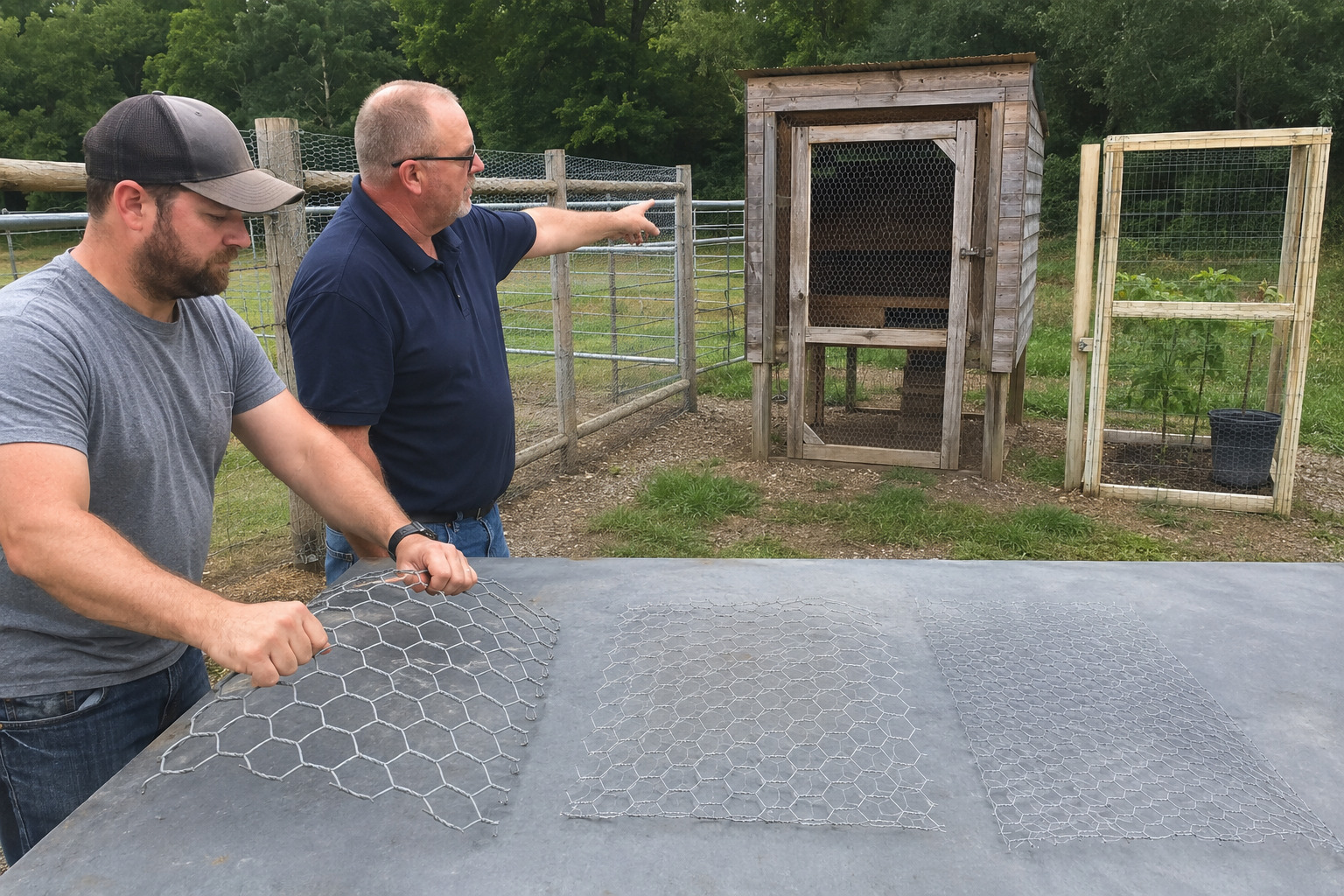
Let me break down the applications by gauge. 14 gauge wire works best for commercial livestock operations, predator-proof enclosures, and permanent perimeter fencing. The wire resists stretching under load and maintains tension for years. I recommend 14 gauge when you're protecting valuable animals or need 10+ year fence life.
16 gauge wire handles most residential chicken coops, garden protection, and temporary animal enclosures. It's strong enough for chickens, rabbits, and small goats but won't stop determined predators like coyotes or large dogs. The price point makes sense for homeowners who need good protection without commercial-grade costs.
18 gauge wire works for bird netting, plant protection, and decorative applications. Don't use it for anything that needs to contain animals or resist weather. 20 gauge wire is basically craft material - fine for art projects but useless for actual fencing.
Here's my specification framework: Start with your threat level. What's the largest animal that might hit your fence? Then consider your timeline. How long does this fence need to last? Finally, factor in your budget and local weather conditions.
16 AWG galvanized hexagonal wire mesh, 1" opening, 48" width, 150' length, hot-dip galvanized coating, packed in plastic wrap with wooden pallet, minimum order 5 tons.
This gives any manufacturer everything they need for accurate pricing.
What are the different types of chicken wire mesh?
Most people think chicken wire only comes in one pattern - those hexagonal holes. But there are actually several mesh types, each designed for specific applications. Choosing the wrong pattern can make even heavy gauge wire perform poorly.

Hexagonal Mesh
Hexagonal mesh is the original chicken wire pattern. The six-sided holes distribute stress evenly across the wire network. When an animal pushes against one section, the hexagonal pattern spreads the force to surrounding wires.
This makes hexagonal mesh stronger than square patterns using the same wire gauge. The downside is manufacturing complexity - hexagonal mesh requires specialized weaving equipment and costs more to produce.
Square Welded Mesh
Square welded mesh uses straight wires welded at intersections. This creates a grid pattern that's easier to manufacture and install. The welded joints are stronger than twisted connections, but the square pattern concentrates stress at corner points.
Square mesh works well for applications where you need precise opening sizes or clean visual lines.
Rectangular Mesh
Rectangular mesh stretches the square pattern into longer rectangles. This reduces material costs while maintaining reasonable strength for light-duty applications.
I see rectangular mesh used for garden borders and temporary enclosures where cost matters more than maximum strength.
Diamond Mesh
Diamond mesh rotates square mesh 45 degrees to create diamond-shaped openings. This pattern offers good strength and flexibility but uses more wire per square foot than other patterns.
Diamond mesh works well for sloped installations where you need the fence to conform to uneven ground.
Hexagonal wire mesh, 1" opening measured point-to-point, twisted connection, galvanized after weaving.
How to Specify Welded Mesh in an RFQ:Square welded mesh, 1" x 1" opening, galvanized before welding (GAW) or galvanized after welding (GAH).
Always specify the measurement method because mesh opening can be measured different ways.
Conclusion
Choose chicken wire by matching gauge, mesh size, and coating to your specific application, then write complete specifications that include all technical requirements for accurate factory quotes.