

Best Heavy Duty Chicken Wire for Rabbit, Goat & Livestock Enclosures?
Choosing the wrong wire mesh for your animals can lead to costly escapes and predator attacks. Many farmers waste money on lightweight materials that fail within months.
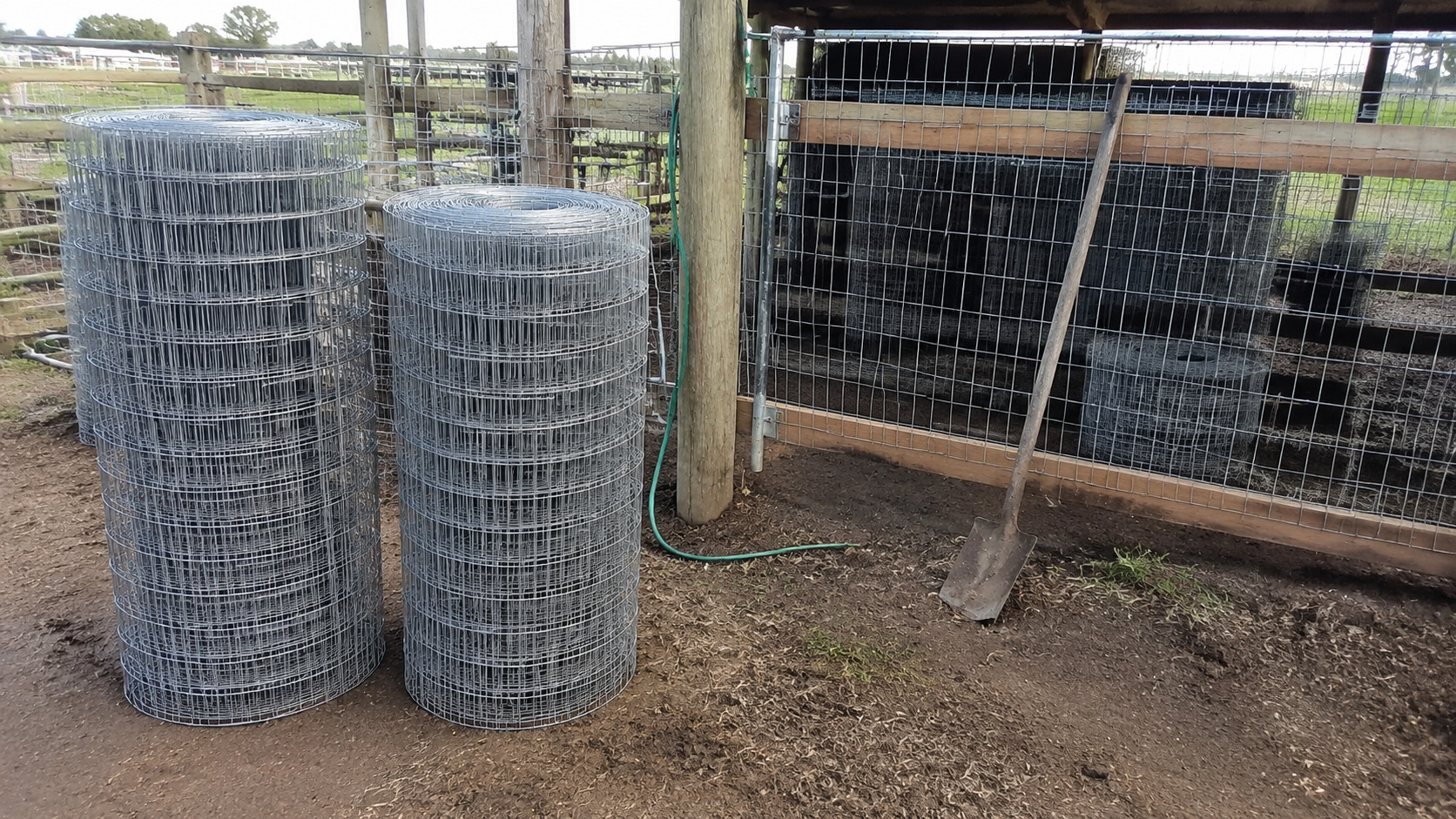
I've been manufacturing wire mesh for animal enclosures for over 15 years at Dingzhou Bestar. During this time, I've seen countless farmers struggle with flimsy materials that break down quickly. This guide will help you choose the right heavy duty mesh for your specific animals and avoid the costly mistakes I see repeatedly in our industry.
Is Chicken Wire Strong Enough for Rabbits?
Standard chicken wire often fails rabbit owners when they need it most. Predators can tear through thin gauge wire in minutes.

Standard chicken wire creates multiple problems for rabbit owners. The thin 20-22 gauge wire bends easily under pressure from larger predators like raccoons, foxes, and dogs. I've received countless calls from customers whose rabbits were killed because their chicken wire failed during nighttime attacks.
The hexagonal weave pattern in traditional chicken wire also creates weak points where wires intersect. These joints often separate under stress, creating gaps that allow predators to enter or rabbits to escape. Additionally, the larger 1-inch openings in standard chicken wire let small predators like weasels and snakes enter enclosures.
Heavy duty alternatives solve these issues completely. Welded wire mesh uses electric fusion to create permanent joints that won't separate. The 16-gauge thickness resists cutting and bending from predator attacks. Smaller 1/2-inch openings keep out all common rabbit predators while providing adequate ventilation.
| Wire Type | Gauge | Opening Size | Predator Protection | Lifespan |
|---|---|---|---|---|
| Standard Chicken Wire | 20-22 | 1" | Poor | 2-3 years |
| Heavy Duty Welded Mesh | 16 | 1/2" | Excellent | 15+ years |
| Galvanized Welded Mesh | 14 | 1/2" | Maximum | 20+ years |
The investment in heavy duty mesh pays for itself quickly. While standard chicken wire costs less initially, you'll replace it multiple times over the lifespan of quality welded mesh. More importantly, you'll avoid the heartbreak and financial loss of losing rabbits to preventable predator attacks.
What Mesh Size Is Best for a Rabbit Enclosure?
Choosing the wrong mesh opening size creates safety hazards and maintenance headaches for rabbit owners. Too large allows predators in, too small restricts airflow.
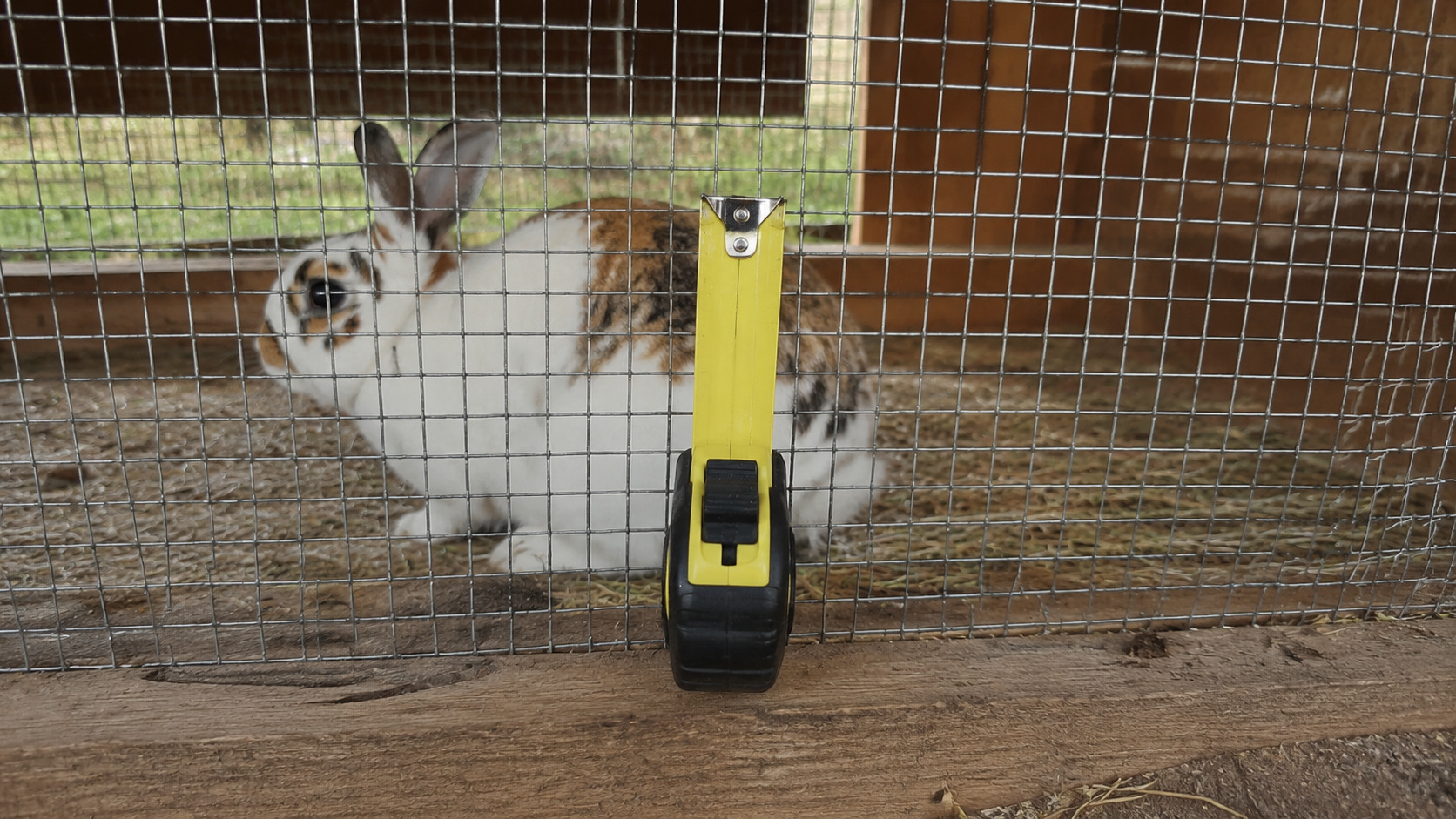
Mesh opening size directly impacts rabbit safety and enclosure functionality. I've analyzed hundreds of predator attack reports over the years, and the pattern is clear. Enclosures with openings larger than 1/2-inch experience significantly higher predation rates.
Larger openings create multiple risks. 1-inch openings allow weasels, rats, and snakes to enter enclosures. These predators can kill adult rabbits and will definitely kill baby rabbits. Even 3/4-inch openings let in juvenile rats and large insects that stress rabbits and contaminate feed.
Smaller openings also cause problems. 1/4-inch mesh restricts airflow and makes cleaning difficult. Debris accumulates more easily, creating unsanitary conditions. The finer mesh also costs significantly more and provides no additional protection benefits.
The 1/2-inch size hits the sweet spot for multiple reasons. It blocks all common rabbit predators while maintaining excellent ventilation. Cleaning tools fit through easily for maintenance. Feed and water containers install simply without modification. Most importantly, rabbits cannot get their feet or legs caught in the openings.
| Opening Size | Predator Protection | Ventilation | Cleaning Ease | Cost |
|---|---|---|---|---|
| 1/4" | Excellent | Poor | Difficult | High |
| 1/2" | Excellent | Good | Easy | Medium |
| 3/4" | Fair | Good | Easy | Medium |
| 1" | Poor | Excellent | Very Easy | Low |
Professional rabbit breeders consistently choose 1/2-inch mesh for their breeding facilities. The size provides reliable protection without creating maintenance burdens. When you're investing in quality housing for valuable breeding stock, this mesh size delivers the best long-term value.
Can Heavy Duty Chicken Wire Be Used for Goats?
Many goat owners underestimate their animals' strength and curiosity. Standard fencing materials often fail within the first year of goat ownership.
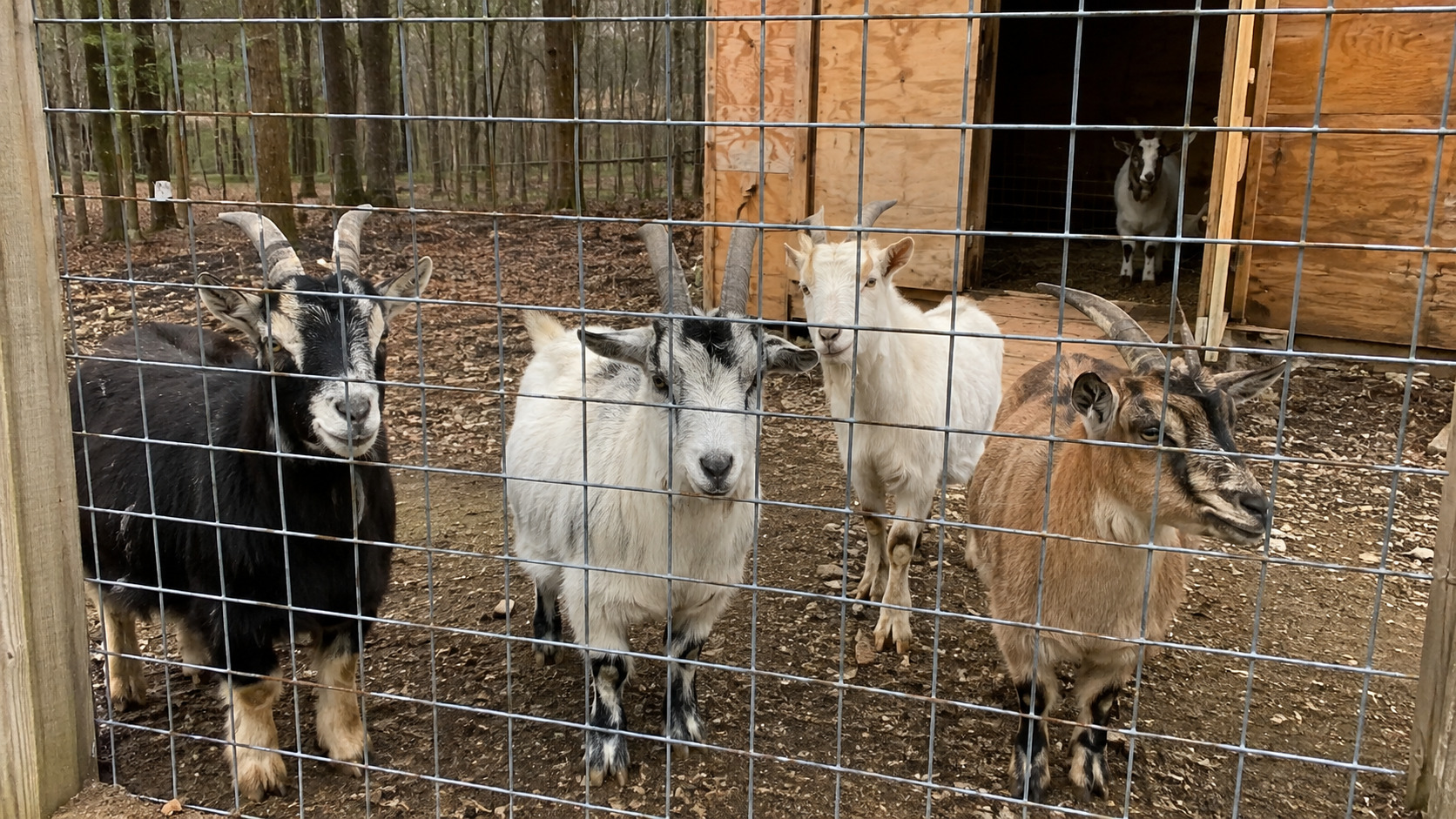
Goats present unique fencing challenges that standard materials can't handle. These animals are incredibly strong, weighing 60-300 pounds depending on breed. They also have natural curiosity that drives them to test every weak point in their enclosure. I've seen goats destroy supposedly "goat-proof" fencing in days.
Traditional chicken wire fails catastrophically with goats. The thin gauge wire stretches and breaks under goat pressure. Goats lean against fences, climb on them, and push through them to reach food on the other side. The hexagonal mesh pattern creates weak points that separate easily under this constant pressure.
Heavy duty welded mesh solves these problems through superior construction. The 14-gauge wire thickness resists stretching and breaking. Electric welding creates permanent joints that won't separate under pressure. The rectangular opening pattern distributes stress more evenly than hexagonal designs.
The 2"x4" rectangular opening size is crucial for goat safety. Smaller openings can trap goat hooves, causing serious injuries. Larger openings allow predators to reach through and grab goats. The rectangular shape also prevents goats from getting their heads stuck, which happens frequently with square mesh patterns.
Proper installation maximizes mesh effectiveness. The bottom edge should be secured to prevent goats from pushing underneath. Corner bracing distributes fence tension properly. Using wooden or metal posts every 8 feet provides adequate support for the mesh panels.
| Mesh Feature | Standard Chicken Wire | Heavy Duty Welded |
|---|---|---|
| Wire Gauge | 20-22 | 14 |
| Joint Type | Twisted | Welded |
| Opening Shape | Hexagonal | Rectangular |
| Goat Resistance | Poor | Excellent |
| Installation Difficulty | Easy | Moderate |
What Type of Wire Mesh Is Best for Goat Fencing?
Different mesh types offer varying levels of protection and durability for goat enclosures. Understanding these differences helps you choose the most cost-effective solution.
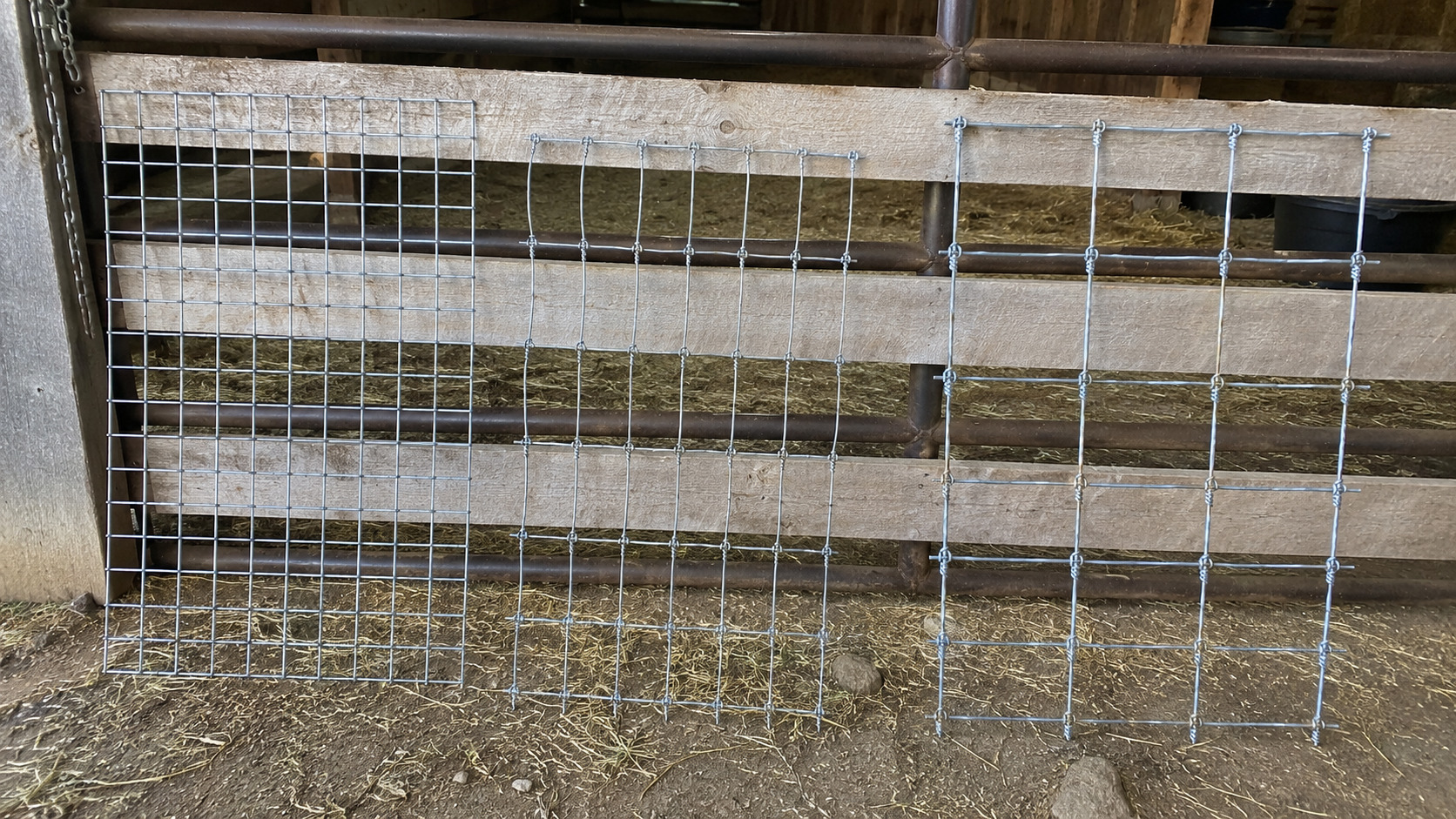
Wire mesh construction methods significantly impact performance with goats. I manufacture multiple mesh types at our facilities, and the performance differences are dramatic in goat applications. Welded mesh consistently outperforms woven and twisted alternatives.
Woven wire mesh uses an over-under weaving pattern that creates flexible joints. While this flexibility seems advantageous, it actually weakens the fence under goat pressure. Goats can stretch woven mesh out of shape permanently. The weaving joints also loosen over time, creating gaps that goats exploit.
Twisted wire mesh relies on mechanical twisting to hold intersections together. These joints gradually loosen under constant pressure and vibration from goat contact. The twists also create stress concentration points that fail prematurely. Most twisted mesh develops gaps within 2-3 years of goat exposure.
Welded mesh uses electric current to fuse wire intersections permanently. These joints cannot loosen or separate under normal use. The welding process also stress-relieves the wire, making it more resistant to fatigue failure. Quality welded mesh maintains its shape and strength for decades.
Galvanized coating provides essential corrosion protection for outdoor installations. Hot-dip galvanizing applies a thick zinc layer that protects the underlying steel wire. This coating typically provides 15-20 years of rust protection in normal outdoor conditions. Electro-galvanized coating is thinner and lasts only 5-7 years.
Wire gauge selection balances strength against cost. 12-gauge wire provides maximum strength but costs significantly more than 14-gauge. For most goat applications, 14-gauge provides adequate strength at reasonable cost. 16-gauge wire works for smaller goat breeds but may stretch with larger animals.
| Mesh Type | Joint Strength | Flexibility | Durability | Cost |
|---|---|---|---|---|
| Woven Wire | Moderate | High | Fair | Low |
| Twisted Wire | Low | Moderate | Poor | Low |
| Welded Wire | High | Low | Excellent | Medium |
| Heavy Welded | Maximum | Low | Maximum | High |
Is Welded Wire Better Than Chicken Wire for Livestock?
Livestock owners face a critical choice between traditional and modern fencing materials. This decision impacts animal safety, maintenance costs, and long-term farm profitability.

The construction differences between welded wire and chicken wire create dramatic performance gaps in livestock applications. I've tested both materials extensively in our quality control laboratory, and the results consistently favor welded mesh across all performance metrics.
Chicken wire uses a twisted hexagonal weave pattern that creates inherent weak points. Each intersection relies on mechanical twisting to hold wires together. These joints gradually loosen under livestock pressure, creating gaps that compromise fence integrity. The hexagonal pattern also distributes stress unevenly, causing premature failure at high-stress points.
Welded wire eliminates these weaknesses through superior manufacturing. Electric welding fuses wire intersections permanently, creating joints stronger than the wire itself. The rectangular grid pattern distributes stress evenly across the entire fence surface. This construction maintains fence integrity even when individual wires break.
Opening consistency provides another major advantage for welded wire. Manufacturing tolerances keep openings within tight specifications, ensuring uniform protection across the entire fence. Chicken wire openings vary significantly due to the hand-twisting process, creating weak spots that animals and predators exploit.
Corrosion resistance differs substantially between materials. Quality welded wire receives hot-dip galvanizing that penetrates wire surfaces completely. This process provides uniform coating thickness and superior adhesion. Chicken wire typically receives lighter galvanizing that wears off quickly in high-contact areas.
Maintenance requirements favor welded wire significantly. The permanent joints require no retightening or adjustment over time. Damaged sections can be repaired easily by cutting and splicing new panels. Chicken wire requires constant maintenance to retighten loose joints and replace stretched sections.
| Performance Factor | Chicken Wire | Welded Wire |
|---|---|---|
| Joint Strength | Weak | Strong |
| Opening Consistency | Variable | Uniform |
| Stress Distribution | Uneven | Even |
| Corrosion Resistance | Fair | Excellent |
| Maintenance Needs | High | Low |
| Service Life | 3-5 years | 15-20 years |
Cost analysis must consider total ownership expenses, not just initial purchase price. While welded wire costs more initially, the extended service life and reduced maintenance create significant long-term savings. Most livestock operations recover the additional investment within 3-4 years through reduced replacement and repair costs.
What Gauge Wire Mesh Is Best for Animal Enclosures?
Wire gauge selection directly impacts enclosure strength, durability, and cost. Understanding gauge requirements for different animals helps optimize your fencing investment.

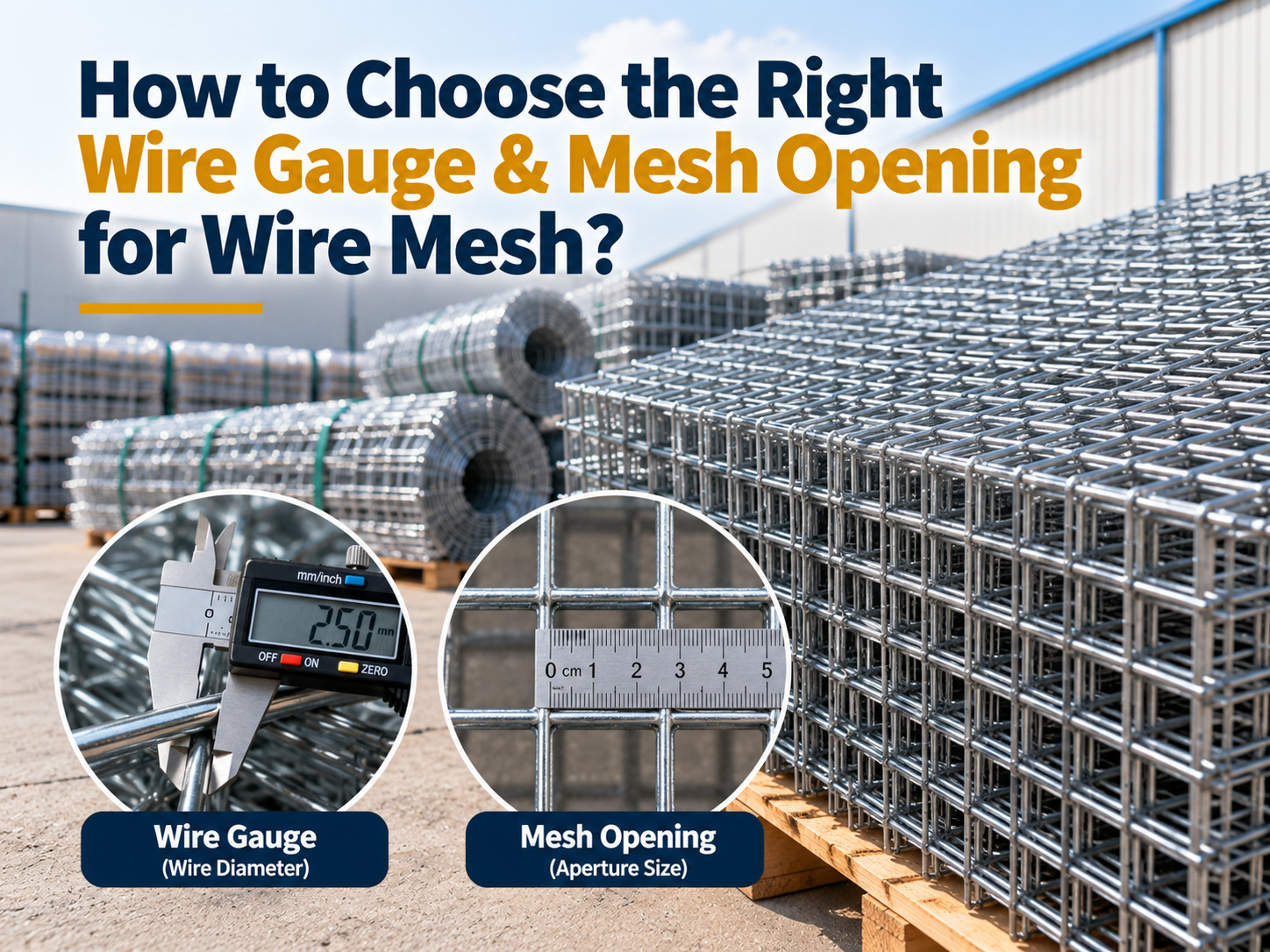
Wire gauge measurement uses an inverse numbering system where smaller numbers indicate thicker wire. This system confuses many customers, leading to inadequate fence specifications. Understanding gauge requirements for specific animals prevents costly mistakes and ensures adequate protection.
Large livestock requires heavy gauge wire to resist their strength and weight. Cattle and horses can easily damage 16-gauge or lighter wire through normal contact. These animals often lean against fences, creating constant pressure that stretches thin wire permanently. 12-gauge wire provides adequate strength for these applications, while 14-gauge works for smaller cattle breeds.
Medium-sized animals like goats and sheep need moderate gauge wire for effective containment. 14-gauge wire resists their pushing and climbing behaviors while remaining economical. These animals are strong enough to stretch 16-gauge wire but don't require the heavy 12-gauge thickness needed for larger livestock.
Small animals benefit from lighter gauge wire that reduces material costs without sacrificing protection. Rabbits, chickens, and other poultry work well with 16-gauge wire when properly supported. The reduced weight makes installation easier while providing adequate strength against predators and escape attempts.
Predator pressure influences gauge selection significantly. Areas with large predators like bears, wolves, or large cats require heavier gauge wire regardless of the enclosed animals. 12-gauge wire resists cutting and tearing from predator attacks better than lighter alternatives.
Environmental factors also impact gauge requirements. Coastal areas with salt exposure need heavier galvanized coatings that work better on thicker wire. Areas with extreme temperature swings benefit from heavier wire that resists thermal stress better.
Installation method affects gauge selection as well. Temporary or portable enclosures work well with lighter gauge wire due to reduced stress loads. Permanent installations with concrete posts can utilize heavier gauge wire that provides maximum durability.
| Animal Type | Recommended Gauge | Alternative Gauge | Special Considerations |
|---|---|---|---|
| Cattle/Horses | 12-gauge | 11-gauge | High predator areas |
| Goats/Sheep | 14-gauge | 12-gauge | Climbing behavior |
| Pigs | 12-gauge | 14-gauge | Rooting damage |
| Rabbits/Poultry | 16-gauge | 14-gauge | Predator pressure |
| Mixed Livestock | 14-gauge | 12-gauge | Versatility needed |
Budget considerations must balance initial costs against long-term value. Heavier gauge wire costs more initially but provides extended service life and better animal protection. Most operations find that investing in proper gauge wire pays for itself through reduced maintenance and replacement costs.
Conclusion
Heavy duty welded wire mesh with proper gauge and opening size provides superior livestock protection compared to traditional chicken wire, delivering decades of reliable service.