

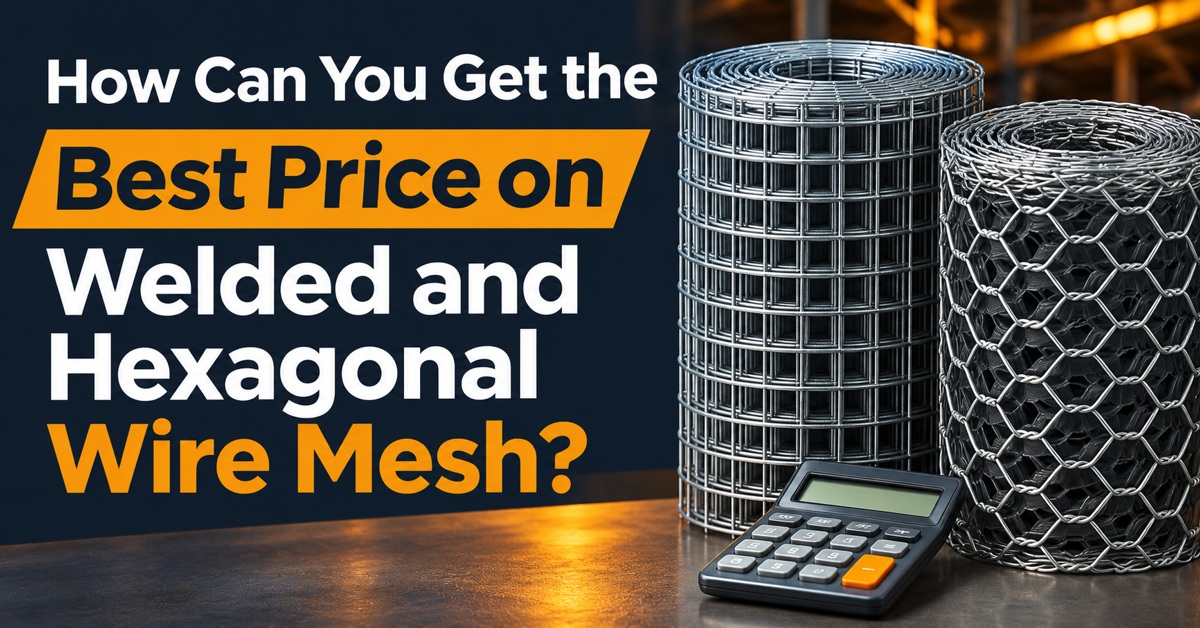
How Can You Get the Best Price on Welded and Hexagonal Wire Mesh?
Wire mesh prices can vary significantly even when two quotations appear to describe similar products. The reason is that final cost depends on raw material prices, wire diameter, mesh opening, roll dimensions, coating, quantity, packaging, and shipping terms.
To compare welded and hexagonal wire mesh prices correctly, buyers should compare identical specifications and understand whether the quotation is based on EXW, FOB, CIF, or another Incoterm.
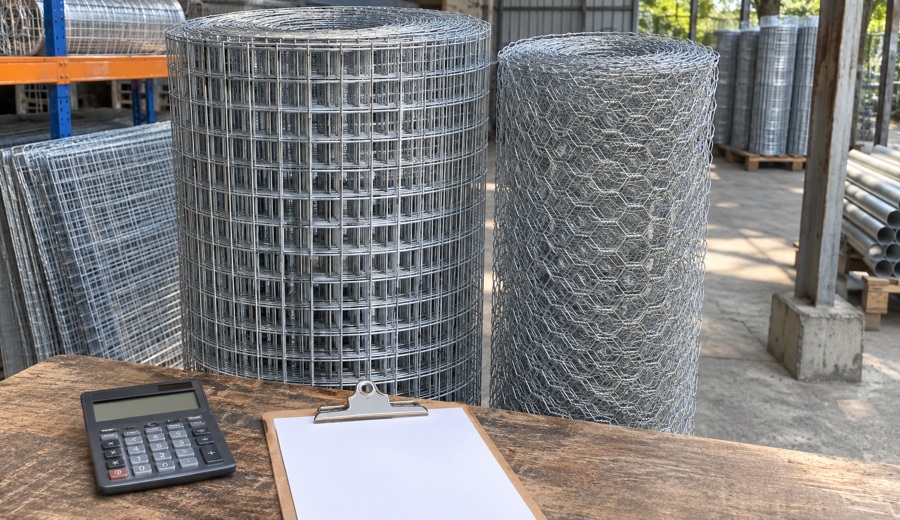
What Factors Affect Wire Mesh Prices?
The largest cost component is usually steel, but the finished product specification determines how much steel and processing are required for each roll or panel.
Raw Material
Steel wire prices fluctuate with market conditions, so quotations may change over time.
Wire Diameter
Thicker wire contains more steel per meter and generally increases product weight and cost.
Mesh Opening
Smaller openings usually require more wire per square meter, increasing material usage.
Surface Treatment
Electro-galvanizing, hot-dip galvanizing, and PVC coating have different processing and material costs.

Price Impact Overview
| Factor | Typical Price Impact | Why It Matters |
|---|---|---|
| Steel Price | High | Main raw material cost |
| Wire Diameter | High | Thicker wire increases steel weight |
| Mesh Opening | High | Smaller openings normally require more wire |
| Surface Treatment | Medium to High | Adds coating material and processing |
| Roll Dimensions | Variable | Larger rolls contain more total material |
| Packaging | Variable | Retail or OEM packaging adds processing and materials |
How Does Wire Diameter Affect Price?
Wire diameter has a direct effect on theoretical product weight. When wire diameter increases, the amount of steel contained in the same mesh area also increases.
When comparing quotations, make sure suppliers are quoting the same actual wire diameter—not only the same gauge number.
B2B Tip: Gauge systems can differ between markets. Specify the wire diameter in millimeters to make supplier comparisons more reliable.
How Does Mesh Opening Affect Price?
Smaller openings generally require a greater number of wires within the same area. This increases steel consumption and often increases finished product weight.
For example, a welded mesh with a small square opening may use substantially more steel per square meter than a similar product with larger openings.
The same principle applies to hexagonal mesh: opening size, wire diameter, roll width, and roll length must all be considered together.
How Does Surface Treatment Affect Price?
Surface treatment adds processing cost but also changes corrosion resistance and appearance.
| Finish | Typical Cost Position | Main Consideration |
|---|---|---|
| Electro-Galvanized | Generally lower | Economical zinc coating |
| Hot-Dip Galvanized | Generally higher | Heavier zinc coating may be specified |
| PVC Coated | Higher | Adds polymer coating and color options |
| Stainless Steel | Material dependent | Higher base material cost |
How Much Does Wire Mesh Cost Per Roll?
There is no universal price per roll because one roll can vary significantly from another in wire diameter, opening, width, length, material, and coating.
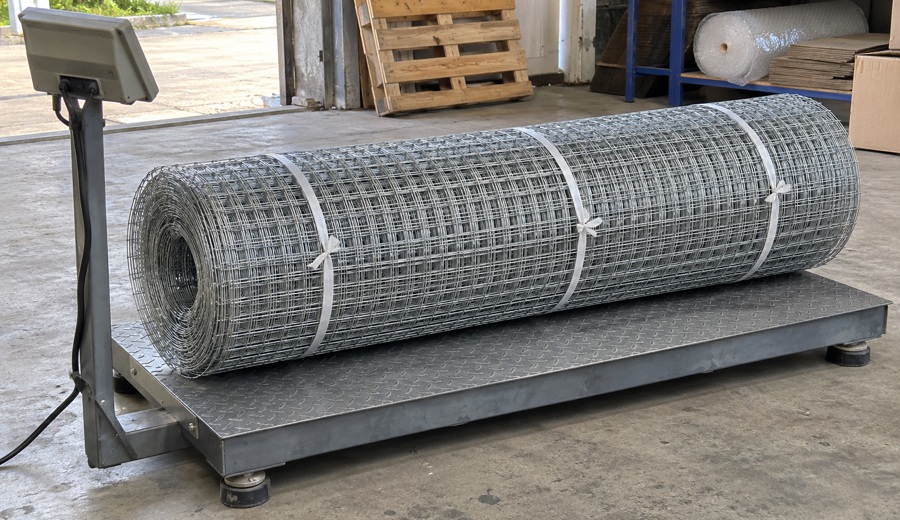
For B2B purchasing, wire mesh is often priced by weight because steel consumption is one of the main drivers of production cost.
Why Suppliers Quote Per Metric Ton
A metric-ton quotation provides a common basis for comparing products with different roll dimensions and weights.
A lightweight hexagonal mesh roll and a heavy welded mesh roll can have identical dimensions but very different weights and costs.
How to Convert Price Per Ton to Price Per Roll
For accurate budgeting, confirm whether the supplier is using theoretical or actual finished weight and whether packaging weight is included.
What Determines the Weight of a Roll?
- Wire diameter
- Mesh opening
- Roll width
- Roll length
- Mesh construction
- Surface coating
Purchasing Tip: When comparing roll prices from two suppliers, first compare kg per roll. A lower roll price may simply indicate a lighter product.
How Are FOB Wire Mesh Prices Calculated?
FOB means Free On Board. Under FOB terms, the seller handles specified origin-side obligations until the goods are loaded on board the nominated vessel at the agreed port.
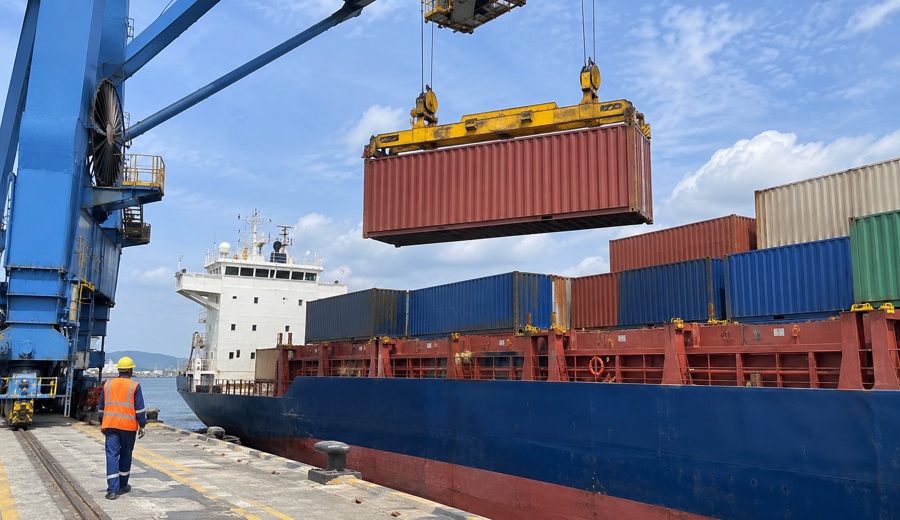
Typical Components of an FOB Quote
- Wire mesh product cost
- Standard export packaging
- Factory-to-port inland transport
- Export customs formalities
- Applicable origin-side port and handling charges
What Is Usually Not Included in FOB?
- International ocean freight after loading
- Marine cargo insurance unless separately agreed
- Destination terminal charges
- Import duties and taxes
- Customs brokerage at destination
- Final inland delivery
Incoterm Note: FOB responsibilities should be interpreted according to the agreed Incoterms version and sales contract. Do not assume every supplier's commercial quote includes identical local charges.
How Do You Calculate Total Landed Cost?
FOB price alone does not represent the final cost of importing wire mesh. Buyers should calculate the complete landed cost.
The exact calculation depends on the destination country, product classification, origin, Incoterm, freight market, and local customs rules.
What Is the MOQ for Welded and Hexagonal Wire Mesh?
Factories often use minimum order quantities because production-line setup, raw material procurement, packaging, and handling create fixed production costs.
The source article states a standard MOQ of approximately 2 metric tons, with trial-order and mixed-product flexibility.
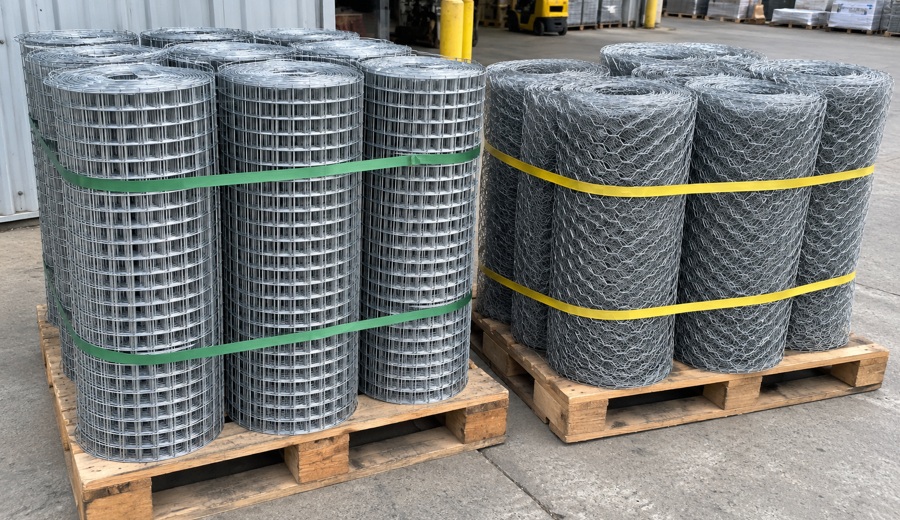
Actual MOQ should be confirmed for the specific mesh type, coating, dimensions, packaging, and production schedule.
Why Mixed Orders Can Help
Buyers with multiple SKUs may be able to combine compatible products into one shipment. This can reduce inventory concentration and help make better use of container capacity.
Important: Mixed-container policies depend on factory production planning, product compatibility, packaging, and total shipment requirements. Confirm the permitted combination before ordering.
How Can Importers Reduce Wire Mesh Shipping Costs?
The lowest product price does not always produce the lowest landed cost. Container utilization, cargo density, destination fees, and order planning can have a substantial effect on total procurement cost.
1. Compare FCL and LCL
For larger shipments, FCL may offer a lower logistics cost per ton because cargo is shipped in a dedicated container. For smaller orders, LCL can avoid paying for unused container capacity.
The break-even point varies by route, season, cargo volume, destination charges, and container utilization.
2. Optimize Container Loading
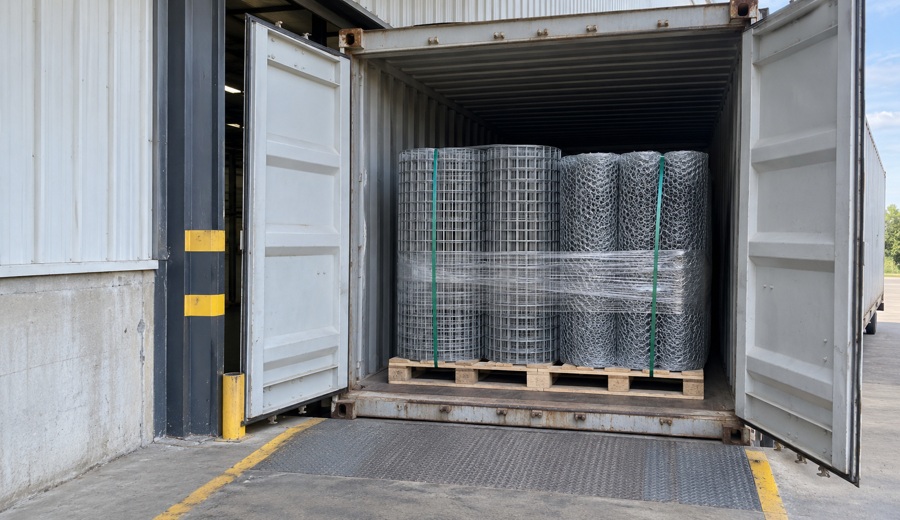
Ask the supplier to calculate estimated roll count, gross weight, cubic volume, and container loading for your exact specification.
- Reduce unused container volume
- Check payload limits
- Optimize roll dimensions where practical
- Evaluate palletized versus loose loading
- Protect cargo against transport damage
3. Consolidate Compatible Products
Consolidating compatible products from the same supplier can reduce administrative complexity and may improve container utilization.
However, buyers should compare the total landed cost rather than assuming that one-stop sourcing is always cheaper.
4. Plan Orders Around Market Conditions
Steel prices and freight rates change over time. For recurring purchases, buyers can improve budgeting by monitoring quotation validity periods, production schedules, freight conditions, and inventory requirements.
How Do You Get a More Accurate Factory Quote?
The fastest way to receive a meaningful quotation is to provide a complete, measurable specification.
- Specify the Product Type
Welded wire mesh or hexagonal wire mesh. - Provide Actual Wire Diameter
State the wire diameter in mm and gauge system if applicable. - Confirm Mesh Opening
Provide square, rectangular, or hexagonal opening dimensions. - Specify Dimensions
State roll width, roll length, or panel dimensions. - Confirm Surface Treatment
Electro-galvanized, hot-dip galvanized, PVC coated, stainless, or another required finish. - Provide Quantity
State rolls, panels, square meters, or estimated metric tons. - Specify Packaging
Include retail labels, barcodes, pallets, cartons, or OEM packaging. - Confirm Trade Terms
State the required Incoterm and destination port.
Wire Mesh Price RFQ Checklist
- Welded or hexagonal mesh
- Wire diameter in mm
- Gauge standard if used
- Mesh opening
- Roll or panel dimensions
- Surface treatment
- Zinc coating requirement
- Total quantity
- Packaging
- Required Incoterm
- Destination port
- Required delivery schedule
Conclusion
Welded and hexagonal wire mesh prices are determined by much more than the product name. Steel price, wire diameter, opening size, coating, dimensions, quantity, packaging, and freight all affect the final cost.
For B2B procurement, compare suppliers using identical technical specifications and calculate total landed cost instead of comparing only price per roll or price per ton.
Bulk purchasing, efficient container loading, accurate specifications, and clear Incoterms can all help buyers improve cost control and make supplier quotations easier to compare.