

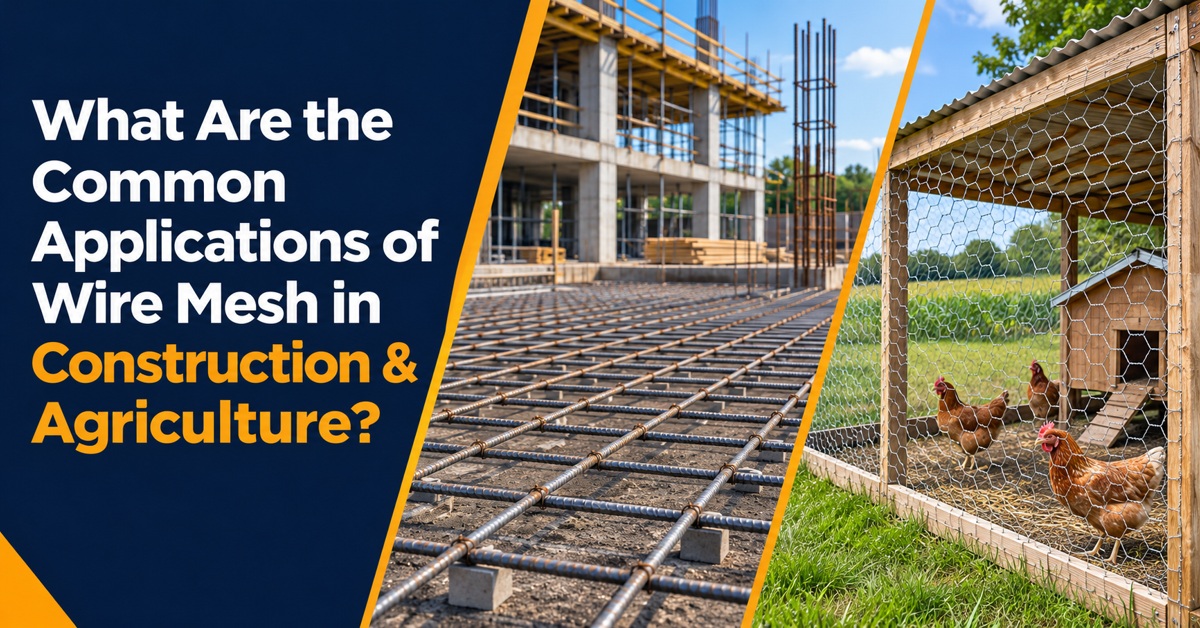
What Are the Common Applications of Wire Mesh in Construction & Agriculture?
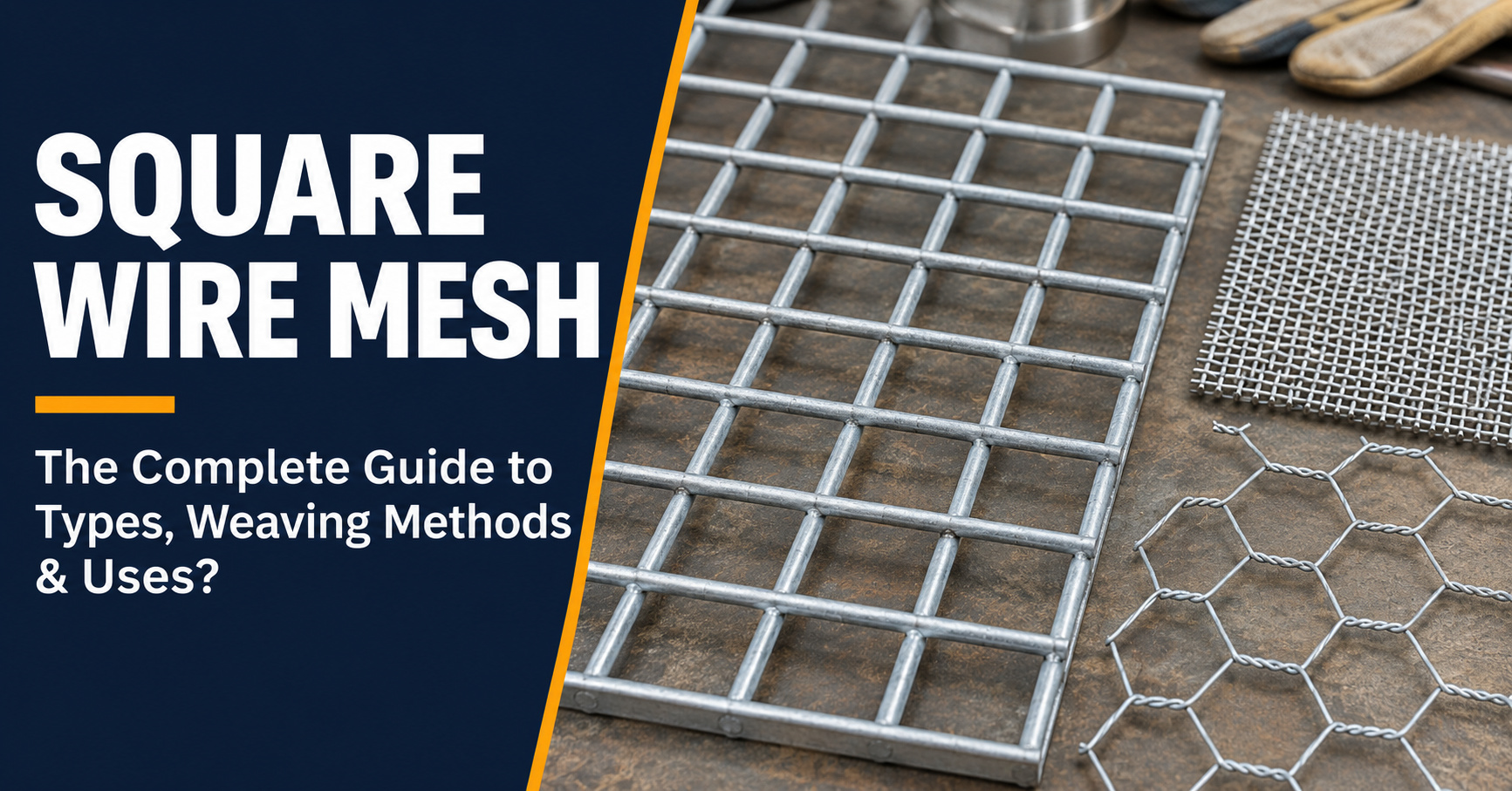
Wire mesh is widely used in both construction and agriculture, but the correct mesh type depends on the application. Welded wire mesh is generally selected where rigidity and stable openings are important, while hexagonal wire mesh is preferred where flexibility and easy shaping are required.
In construction, wire mesh is commonly used for reinforcement, plaster support, wall systems, and protective applications. In agriculture, it is used for livestock fencing, poultry enclosures, crop protection, and general farm barriers.
What Are the Common Uses of Wire Mesh in Construction?
Construction applications range from structural reinforcement to surface support. The most suitable product depends on whether the project needs rigidity, load-related reinforcement, or a flexible backing layer.
Welded Wire Mesh
Commonly used where a stable grid, fixed openings, and structural rigidity are required.
- Concrete reinforcement
- Masonry reinforcement
- Brick reinforcement mesh
- Precast applications
- Partitions and guards
Hexagonal Wire Mesh
Commonly used where flexibility and conformity to curved or irregular surfaces are useful.
- Stucco support
- Plaster backing
- Surface reinforcement
- Light non-structural applications
How Is Welded Wire Mesh Used for Concrete Reinforcement?
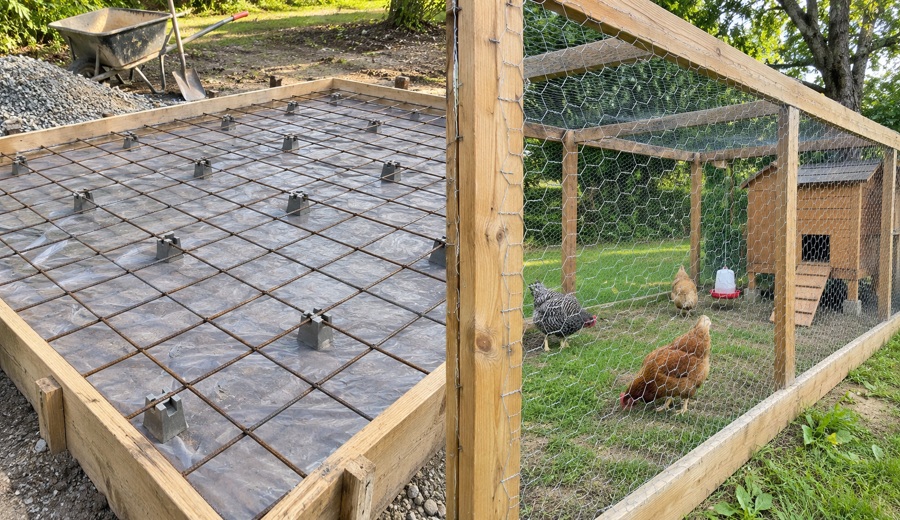
Welded wire reinforcement can be used in concrete slabs, walls, precast products, and other applications where it is specified by the structural design.
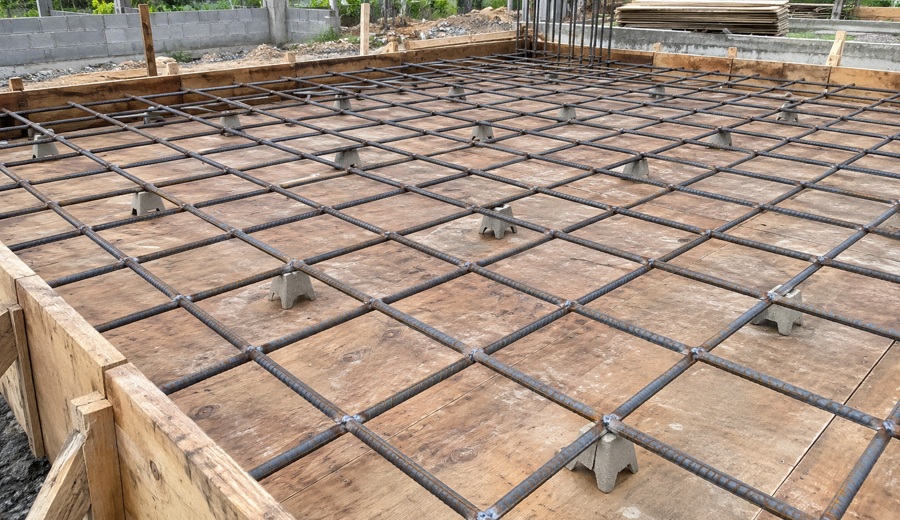
The welded intersections maintain a fixed grid, which helps position reinforcement consistently during placement.
Engineering Note: Welded mesh should not be assumed to prevent concrete cracking on its own. Concrete mix design, reinforcement area, placement, cover, joints, curing, loading, and structural design all affect performance. Project drawings and applicable standards should govern the specification.
How Is Hexagonal Wire Mesh Used for Plaster and Stucco?
Hexagonal wire mesh is flexible and can conform to irregular walls, corners, and curved surfaces. This makes it useful as a support layer in selected plaster and stucco systems.
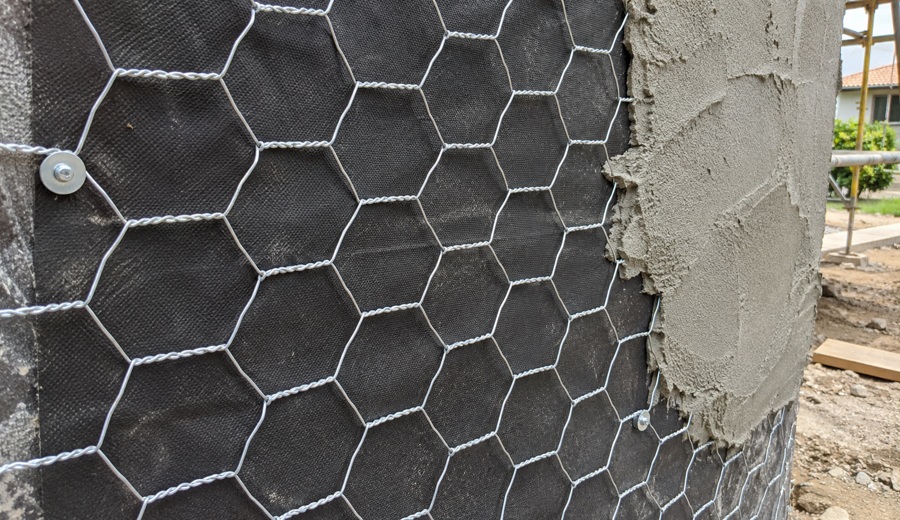
The openings allow plaster or stucco material to key through the mesh, helping form a mechanically supported layer.
Hexagonal mesh is generally used as a surface-support product, not as primary structural reinforcement.
Important: Mesh alone does not guarantee a crack-free plaster or stucco finish. Substrate movement, control joints, application thickness, curing, moisture, installation quality, and the complete plaster system also influence cracking performance.
What Is the Difference Between Plaster Mesh and Brick Reinforcement Mesh?
These two products serve different functions and should not be treated as interchangeable.
| Feature | Hexagonal Plaster Mesh | Brick Reinforcement Mesh |
|---|---|---|
| Main Function | Support plaster or stucco layers | Reinforce masonry joints |
| Structure | Flexible twisted wire | Typically rigid welded or expanded reinforcement product |
| Installation | Attached over wall or substrate | Installed within masonry courses |
| Structural Role | Generally surface support | Subject to masonry design and specification |
How Is Wire Mesh Used in Agriculture?
Agricultural buyers use wire mesh for containment, exclusion, protection, animal management, crop protection, and farm infrastructure.
Welded Mesh Applications
- Livestock fencing
- Dog kennels
- Animal pens
- Rigid garden fencing
- Farm partitions
Hexagonal Mesh Applications
- Chicken coops
- Poultry runs
- Rabbit enclosures
- Garden barriers
- Crop protection
What Are the Benefits of Welded Wire Mesh for Agricultural Fencing?
Welded wire mesh is commonly selected for agricultural fencing where resistance to pushing and deformation is important.

Rigidity and Stable Openings
Welded intersections help keep the grid dimensions stable, making the mesh suitable for stronger animal enclosures and permanent fence systems.
Different Opening Options
Opening size can be selected according to the animal being contained, but the complete fence specification should also include wire diameter, height, support posts, installation tension, and expected animal pressure.
| Animal / Application | Example Opening | Main Consideration |
|---|---|---|
| Cattle / Horses | Approx. 4" × 4" or 2" × 4" | Fence strength and animal pressure |
| Hogs / Pigs | Approx. 2" × 4" | Lower sections may require smaller openings |
| Sheep / Goats | Specification dependent | Breed size and risk of head entrapment |
| Dogs / Kennels | Approx. 2" × 2" or 2" × 4" | Animal size and pressure resistance |
Animal Fencing Note: These openings are reference examples rather than universal standards. Animal size, behavior, fence height, post spacing, terrain, wire diameter, and local requirements should be considered before final selection.
How Is Hexagonal Wire Mesh Used in Poultry Farming?
Hexagonal wire mesh is widely known as chicken wire because it is lightweight, flexible, economical, and easy to install around poultry houses and runs.
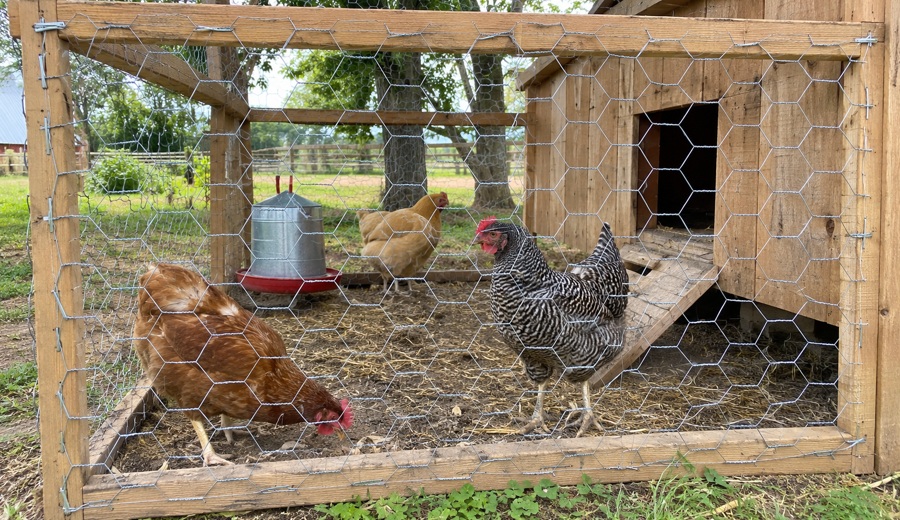
Poultry Coops and Runs
Flexible mesh can be wrapped around timber or steel posts and adapted to different enclosure shapes.
Garden and Crop Protection
Hexagonal mesh can also be used as a light barrier around garden beds and crops to reduce access by poultry and selected small animals.
Small Animal Enclosures
Appropriate hexagonal mesh can be used for rabbits and other small animals where lightweight containment is required.
Predator Protection: Standard lightweight chicken wire is primarily a containment product. For areas exposed to strong predators, heavier welded mesh or another purpose-designed barrier may be needed, especially around lower walls, doors, openings, and vulnerable perimeter sections.
Welded vs Hexagonal Mesh: Which Is Better for Agriculture?
| Feature | Welded Wire Mesh | Hexagonal Wire Mesh |
|---|---|---|
| Structure | Rigid welded intersections | Flexible twisted wires |
| Rigidity | High | Low |
| Flexibility | Lower | High |
| Typical Animal Use | Larger or stronger animals | Poultry and smaller animals |
| Uneven Terrain | Less adaptable | More adaptable |
| Typical Cost Position | Specification dependent | Often economical for light-duty fencing |
How Do You Choose the Right Wire Mesh?
A good selection process should begin with the application rather than the product name.
- Define the Application
Determine whether the mesh is for concrete, masonry, plaster, livestock, poultry, garden protection, or another use. - Select the Required Rigidity
Welded mesh is generally preferred where dimensional stability is important, while hexagonal mesh is more suitable where flexibility and conformity are required. - Choose Wire Diameter
Heavier wire generally provides greater resistance to deformation. Confirm the actual wire diameter in millimeters rather than relying only on gauge terminology. - Choose Mesh Opening
Match the opening to the animal, material, reinforcement function, plaster system, or exclusion requirement. - Select the Surface Finish
Galvanized or PVC-coated mesh may be appropriate for outdoor use, depending on environmental exposure and required service life. - Confirm Project Requirements
For structural or regulated applications, follow engineering drawings, standards, local codes, and project specifications.
Quick Application Guide
| Application | Typical Mesh Type | Main Reason |
|---|---|---|
| Concrete Reinforcement | Welded Mesh | Stable grid; subject to structural specification |
| Brick / Masonry Reinforcement | Purpose-Designed Reinforcement Mesh | Designed for masonry joint reinforcement |
| Stucco / Plaster Support | Hexagonal Mesh | Flexible and conforms to surfaces |
| Livestock Fencing | Welded Mesh / Farm Fence System | Greater rigidity and containment resistance |
| Poultry Coop | Hexagonal Mesh | Lightweight and easy to install |
| Dog Kennel | Welded Mesh | Greater resistance to pressure and deformation |
| Garden Barrier | Hexagonal or Welded Mesh | Depends on animals and security requirements |
What Information Should You Send to a Wire Mesh Supplier?
B2B RFQ Checklist
- Application
- Welded or hexagonal mesh
- Actual wire diameter in mm
- Mesh opening
- Roll or panel dimensions
- Galvanized, PVC-coated, or other finish
- Required zinc coating if applicable
- Required standard or project specification
- Total quantity
- Packaging requirements
- Required Incoterm
- Destination port or delivery location
Conclusion
Welded wire mesh and hexagonal wire mesh serve different roles in construction and agriculture.
Welded mesh is generally preferred for applications requiring rigidity, stable openings, stronger animal containment, or specified reinforcement. Hexagonal mesh is preferred where flexibility, shaping, plaster support, poultry containment, or light garden protection are the main priorities.
For B2B purchasing, the final specification should be based on wire diameter, opening size, material, coating, dimensions, application, environmental exposure, and project requirements rather than mesh type alone.