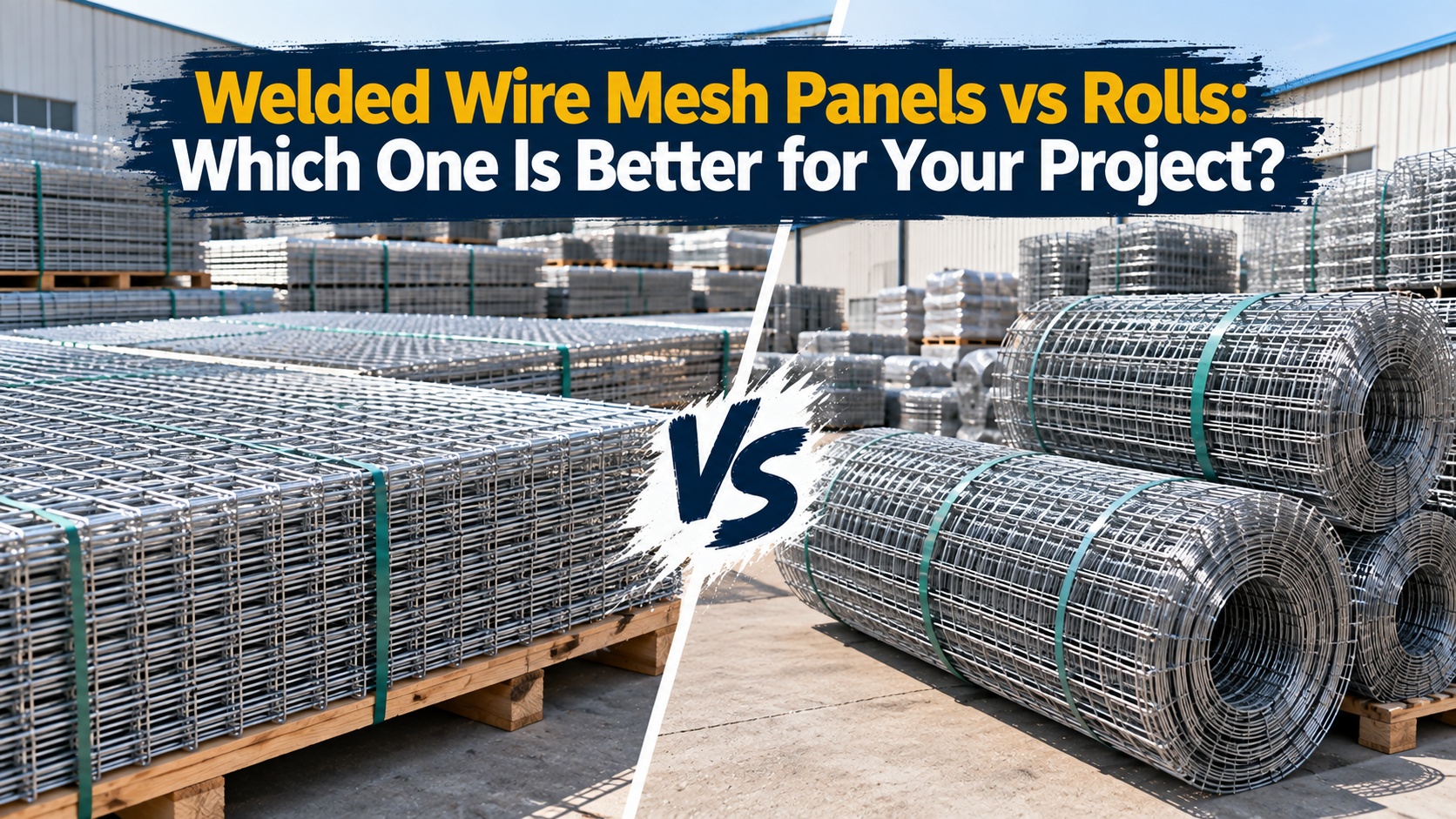


Wire Mesh Netting for Construction & Building: Reinforcement, Plastering & Safety Barriers?
Construction projects fail when builders choose the wrong materials. You lose time, money, and safety when wire mesh doesn't match your specific application needs.

I've been supplying wire mesh to construction contractors for over a decade. Every week, I receive calls from builders who bought the wrong mesh type and need urgent replacements. This guide will help you avoid those costly mistakes.
What Is Wire Mesh Used for in Construction?
Construction sites use wire mesh for different purposes than you might expect. Most people think all mesh works the same way.

Wire mesh applications in construction fall into distinct categories. Plastering mesh prevents wall cracks and improves surface adhesion. Brick reinforcement mesh controls thermal expansion in masonry walls. Welded wire fabric reinforces concrete slabs and footings. Safety mesh creates temporary barriers around work zones. Each type has specific design requirements.
I remember a contractor who ordered 5 tons of chicken wire for concrete reinforcement. He thought all mesh worked the same way. The structural engineer rejected the material on site. The project delayed by two weeks while we shipped proper welded wire fabric. This mistake cost him $15,000 in delays and material replacement.
Construction mesh specifications depend on load requirements, environmental conditions, and building codes. Interior plastering uses lighter gauge mesh with smaller openings. Exterior applications need galvanized or PVC-coated wire for corrosion resistance. Safety barriers require high-tensile strength and visibility features.
| Application Type | Wire Gauge | Mesh Opening | Coating Required | Load Bearing |
|---|---|---|---|---|
| Interior Plastering | 20-22 AWG | 1/4" - 1/2" | Optional | Non-structural |
| Exterior Plastering | 18-20 AWG | 1/4" - 1/2" | Galvanized/PVC | Non-structural |
| Brick Reinforcement | 16-18 AWG | 2" x 4" | Galvanized | Light structural |
| Safety Barriers | 12-14 AWG | 2" x 4" | PVC/Galvanized | Impact resistant |
Which Wire Mesh Is Best for Plastering and Crack Control?
Plastering mesh prevents wall cracks but only when you choose the right specifications. Wrong mesh causes plaster failure and expensive repairs.

Expanded metal mesh provides superior plaster adhesion compared to woven wire cloth. The diamond-shaped openings allow plaster to flow through and create mechanical bonds. Welded wire mesh offers consistent opening sizes and flat surface installation. Both types prevent shrinkage cracks in cement plaster and stucco applications.
Mesh attachment methods affect plaster performance significantly. Staple attachment works for interior drywall applications. Exterior installations require galvanized nails or screws every 6 inches on center. Loose mesh creates air pockets that cause plaster delamination. Overlapped seams need 2-inch minimum overlap with mechanical fasteners.
Wire gauge selection depends on plaster thickness and application method. Hand-applied plaster uses 22-gauge mesh for easy installation. Machine-sprayed applications need 20-gauge wire to resist spray pressure. Heavy stucco coats require 18-gauge mesh for structural support. Gauge numbers work backwards - lower numbers mean thicker wire.
Coating selection prevents long-term plaster failure. Interior applications use plain steel mesh for cost savings. Exterior walls need galvanized coating to prevent rust stains. High-moisture areas like pool decks require PVC-coated mesh. Aluminum mesh costs more but eliminates corrosion completely in marine environments.
How Does Brick Reinforcement Mesh Strengthen Masonry Walls?
Brick walls crack from thermal movement and settling forces. Reinforcement mesh controls these cracks but requires proper placement and specifications.

Masonry reinforcement serves different purposes than structural concrete reinforcement. Brick mesh controls crack propagation from thermal cycling and minor settlement. The mesh distributes stress across multiple bricks instead of concentrating forces at single joints. This prevents stair-step cracking patterns common in unreinforced masonry.
Placement timing affects reinforcement effectiveness significantly. Install mesh in fresh mortar during wall construction. Retrofit installation requires cutting existing joints and grouting new mesh in place. Horizontal placement in bed joints provides maximum crack control. Vertical mesh placement adds lateral stability for tall walls and seismic resistance.
Mesh dimensions must match mortar joint thickness and brick dimensions. Standard brick uses 3/8-inch mortar joints that accommodate 16-gauge wire easily. Thicker joints allow heavier gauge wire for increased strength. Mesh width should span multiple bricks for effective load distribution. Two-inch mesh height fits standard bed joint spacing perfectly.
Connection details prevent reinforcement failure at critical locations. Overlap mesh sections by minimum 6 inches at splices. Bend mesh around corners with 12-inch minimum lap length. Tie mesh to vertical reinforcement bars where required by structural design. Clean mesh surfaces remove mill scale and debris that prevents mortar bonding.
| Wall Height | Mesh Spacing | Wire Gauge | Mesh Size | Overlap Length |
|---|---|---|---|---|
| Under 8 feet | 24" vertical | 16 AWG | 2" x 4" | 6 inches |
| 8-16 feet | 16" vertical | 14 AWG | 2" x 4" | 8 inches |
| Over 16 feet | 12" vertical | 12 AWG | 2" x 4" | 12 inches |
When Should You Use Welded Wire Mesh for Building Reinforcement?
Welded wire mesh reinforces concrete slabs and footings but cannot replace structural rebar in all applications. Understanding the limitations prevents dangerous mistakes.
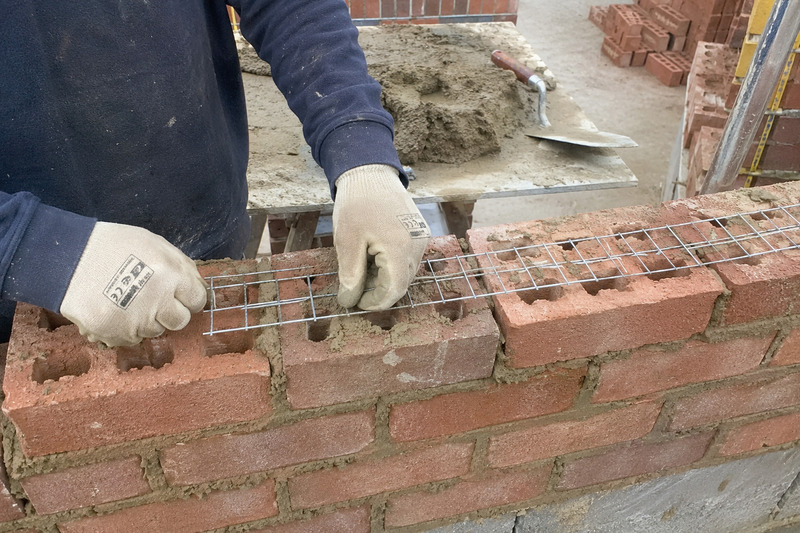
Welded wire fabric controls shrinkage cracking in concrete slabs and provides temperature reinforcement. The mesh distributes loads across wider areas and prevents crack propagation. Standard applications include residential driveways, sidewalks, basement floors, and light commercial slabs. These applications have minimal structural requirements and standard loading conditions.
Mesh sizing follows industry standards for different slab thicknesses and applications. Four-inch residential slabs use 6x6-W1.4xW1.4 mesh as minimum reinforcement. Six-inch commercial slabs require 6x6-W2.9xW2.9 or heavier based on load requirements. Wire spacing affects crack control - closer spacing provides better distribution but increases material costs.
Installation procedures affect reinforcement performance significantly. Position mesh at mid-depth of slab thickness for optimal crack control. Support mesh on chairs or blocks to maintain proper elevation during concrete placement. Overlap adjacent sheets by one full mesh opening minimum. Tie overlaps with wire ties every 2 feet for secure connections.
Structural applications require engineered reinforcement design beyond standard welded wire mesh capabilities. Building foundations, retaining walls, and suspended slabs need rebar reinforcement sized by structural engineers. These applications have specific load requirements, seismic considerations, and safety factors that welded wire mesh cannot address adequately.
I've seen contractors try to substitute welded wire mesh for structural rebar to save costs. One project used 6x6 mesh instead of specified #4 rebar in a foundation wall. The building inspector rejected the work and required complete reconstruction. The cost savings of $2,000 in materials became a $50,000 demolition and rebuild project.
How Is Wire Mesh Used for Construction Safety Barriers?
Construction sites require temporary barriers for worker protection and public safety. Wire mesh barriers provide visibility while containing debris and controlling access.

Safety mesh applications include perimeter fencing, debris containment, and fall protection systems. Orange safety mesh provides high visibility for traffic control around roadwork zones. Green mesh blends with landscaping for long-term construction projects. Black mesh reduces glare and provides privacy screening for sensitive work areas.
Mesh specifications must meet safety regulations and wind load requirements. OSHA requires fall protection barriers to withstand 200-pound loads applied in any direction. Temporary fencing needs sufficient strength to contain construction equipment and materials. Wind loads increase dramatically with mesh density - open weave patterns reduce wind pressure while maintaining barrier effectiveness.
Installation methods affect safety barrier performance and worker protection. Portable barriers use weighted bases or sandbags for stability on paved surfaces. Permanent installations require driven posts or concrete footings for wind resistance. Mesh attachment uses hog rings, zip ties, or mechanical fasteners spaced every 12 inches maximum.
Maintenance requirements keep safety barriers effective throughout construction projects. Inspect mesh weekly for tears, loose connections, and post stability. Replace damaged sections immediately to maintain continuous protection. Clean mesh surfaces remove accumulated debris that increases wind loads and reduces visibility.
| Barrier Type | Mesh Opening | Wire Gauge | Height | Post Spacing |
|---|---|---|---|---|
| Perimeter Fence | 2" diamond | 12 AWG | 6-8 feet | 8 feet |
| Debris Screen | 1/4" square | 16 AWG | 4-6 feet | 6 feet |
| Fall Protection | 2" x 4" | 10 AWG | 42" min | 6 feet |
| Traffic Control | 2" diamond | 14 AWG | 4 feet | 10 feet |
What Wire Mesh Size and Material Should You Choose for Construction?
Wire mesh selection affects project success and long-term performance. Wrong choices cause failures, delays, and expensive replacements.
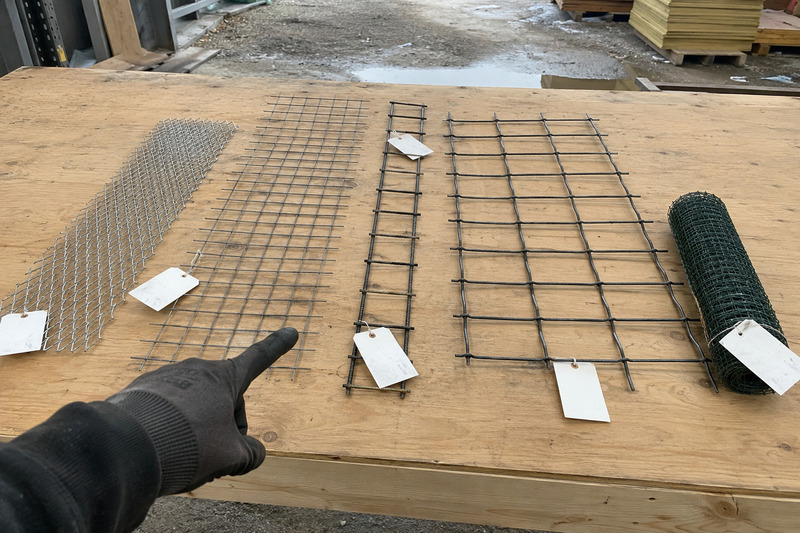
Opening size determines mesh effectiveness for specific applications. Small openings provide better crack control but increase material costs and installation time. Large openings reduce costs but may not provide adequate reinforcement or containment. Standard construction applications use proven opening sizes developed through decades of field experience.
Wire gauge affects strength, durability, and installation ease. Heavy gauge wire resists damage during handling and installation but costs more and requires stronger support systems. Light gauge wire reduces costs but may not provide adequate strength for demanding applications. Gauge selection balances performance requirements with project budgets.
Material coating extends service life in corrosive environments. Galvanized coating provides 15-20 years protection in normal outdoor exposure. PVC coating adds color coding and extends life to 25-30 years in harsh environments. Stainless steel eliminates corrosion completely but costs 3-4 times more than galvanized steel.
Mesh manufacturing affects quality and performance consistency. Welded mesh provides precise opening dimensions and flat installation surfaces. Woven mesh offers flexibility but may stretch during installation. Expanded metal creates mechanical bonding surfaces but has irregular opening patterns that affect material flow.
I remember a coastal hotel project that used plain steel mesh for exterior plastering. Within two years, rust stains appeared through the stucco finish. The owner spent $80,000 removing and replacing the entire facade with galvanized mesh. The initial $3,000 savings in materials became an expensive lesson in material selection.
What Are the Advantages and Disadvantages of Wire Mesh in Construction?
Wire mesh offers specific benefits and limitations that affect construction project success. Understanding both sides helps you make informed material decisions.

Advantages make wire mesh popular for construction applications worldwide. Crack control prevents expensive repairs in concrete and masonry work. Easy installation reduces labor costs compared to individual reinforcement bars. Cost effectiveness provides reinforcement at lower material costs than alternatives. Versatility allows one material type to serve multiple project functions.
Installation advantages include lightweight handling and flexible sizing options. Workers can cut mesh to exact dimensions on site without special equipment. Rolls and sheets store compactly and transport efficiently to job sites. Standard tools like wire cutters and pliers handle most installation tasks. Overlapping joints create continuous reinforcement without complex connections.
Disadvantages limit wire mesh applications in certain construction scenarios. Corrosion potential requires coating selection and proper installation techniques. Limited structural capacity cannot replace engineered reinforcement in critical applications. Installation skill requirements prevent inexperienced workers from achieving proper results. Storage needs include dry conditions and proper handling to prevent damage.
Performance limitations affect long-term project success when mesh exceeds design capabilities. Temperature cycling causes expansion and contraction that may loosen connections over time. Impact loads can deform lightweight mesh beyond effective limits. Chemical exposure from certain construction materials may accelerate corrosion in unprotected steel mesh.
Quality control issues arise from improper handling and storage practices. Damaged mesh loses effectiveness and may cause installation problems. Contaminated surfaces prevent proper bonding with concrete or mortar materials. Incorrect specifications lead to performance failures and expensive corrections during construction.
| Advantage | Benefit | Disadvantage | Limitation |
|---|---|---|---|
| Crack Control | Prevents expensive repairs | Corrosion Risk | Requires proper coating |
| Easy Install | Reduces labor costs | Limited Strength | Cannot replace structural rebar |
| Cost Effective | Lower material costs | Skill Required | Needs proper installation |
| Versatile | Multiple applications | Storage Needs | Requires dry conditions |
How Do You Choose the Right Wire Mesh for Your Building Project?
Project requirements determine mesh selection more than cost considerations. Wrong choices create expensive problems that exceed any initial savings.

Project analysis starts with understanding actual requirements versus assumptions about mesh capabilities. Review architectural drawings and specifications for mesh requirements. Identify load conditions, environmental exposure, and service life expectations. Determine building code requirements and inspection procedures for your location and project type.
Application matching prevents costly specification errors during construction. Plastering applications need fine mesh with good adhesion properties. Reinforcement applications require specific strength and placement requirements. Safety applications must meet visibility and containment standards. Each application has proven mesh types and installation methods.
Environmental assessment affects material selection and long-term performance. Interior applications use plain steel mesh for cost savings. Exterior applications require galvanized or coated mesh for corrosion protection. Marine environments need stainless steel or heavy PVC coating. Chemical exposure requires specific coating compatibility testing.
Budget considerations balance initial costs against long-term performance and maintenance requirements. Cheap mesh may require early replacement and expensive repairs. Quality mesh provides reliable service and reduces maintenance costs over project life. Installation costs often exceed material costs - easy installation saves more money than material price differences.
Professional consultation prevents expensive mistakes in critical applications. Structural engineers specify reinforcement for load-bearing applications. Architects determine aesthetic and performance requirements for visible installations. Experienced contractors provide installation guidance and quality control procedures.
I worked with a school district that wanted to save money on gymnasium wall mesh. They chose the cheapest option without considering ball impact requirements. Within six months, students had damaged the mesh in multiple locations. The replacement project cost twice the original installation and required summer shutdown for repairs.
What Specifications Should You Provide When Requesting a Wire Mesh Quote?
Incomplete specifications lead to wrong quotes and project delays. Providing complete information gets accurate pricing and proper materials.

Application details help suppliers recommend appropriate products and identify potential issues. Specify whether mesh is for plastering, reinforcement, safety barriers, or other uses. Include environmental conditions like interior, exterior, marine, or chemical exposure. Mention any building code requirements or inspection procedures that affect material selection.
Technical specifications ensure you receive quotes for appropriate materials. Wire gauge affects strength and installation characteristics. Mesh opening dimensions determine effectiveness for specific applications. Roll or sheet dimensions affect handling and installation efficiency. Coating type and thickness provide corrosion protection and service life.
Quantity requirements affect pricing and delivery options. Minimum orders often provide better unit pricing but require larger inventory investments. Mixed orders allow multiple products in single shipments but may increase handling costs. Delivery timing affects production scheduling and freight costs significantly.
Installation conditions help suppliers recommend appropriate packaging and handling procedures. Crane access affects packaging size and weight limits. Storage conditions determine moisture protection requirements. Installation timeline affects delivery scheduling and inventory management needs.
Quality requirements include certifications, testing, and documentation needs. Some projects require mill test certificates for material traceability. Government projects may need specific compliance documentation. Export orders require commercial invoices and packing lists with detailed specifications.
When requesting quotes from our company, include project location for freight calculations. Specify FOB or delivered pricing preferences. Mention any special packaging requirements for job site conditions. Include contact information for technical questions during quote preparation.
| Specification Category | Required Information | Example Details |
|---|---|---|
| Application | Primary use case | Exterior wall plastering |
| Technical | Wire gauge, opening size | 18 AWG, 1/2" x 1/2" |
| Quantity | Total amount needed | 5,000 square feet |
| Coating | Protection requirements | Hot-dip galvanized |
| Delivery | Location and timeline | Chicago, IL - 3 weeks |
| Quality | Certifications needed | ASTM compliance |
Conclusion
Wire mesh selection determines construction project success through proper application matching, material specification, and professional installation. Choose based on structural requirements rather than cost alone for long-term performance.