

Wire Mesh Netting Roll Sizes & Packaging: What to Know Before You Order
Ordering wire mesh rolls without understanding sizes and packaging requirements leads to costly shipping mistakes and project delays.

After handling thousands of wire mesh orders at Bestar, I've seen customers struggle with unexpected shipping costs and damaged products. The key is understanding how roll sizes connect to packaging requirements before you place your order.
What Are the Standard Sizes of Wire Mesh Rolls?
Getting the wrong roll size creates handling problems and increases your total project cost.
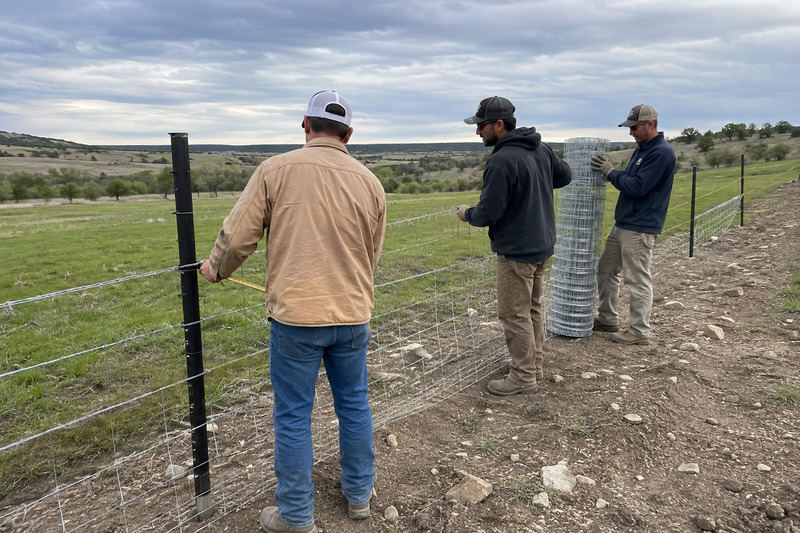
Most manufacturers follow these standard dimensions because they optimize material usage and shipping efficiency. At our factory, we produce welded wire mesh in these standard sizes:
| Roll Width | Common Lengths | Typical Applications |
|---|---|---|
| 0.5m | 10m, 25m | Small garden projects |
| 1.0m | 25m, 30m | Residential fencing |
| 1.2m | 25m, 50m | Agricultural fencing |
| 1.5m | 25m, 30m | Industrial applications |
| 2.0m | 25m, 30m | Large construction projects |
The maximum roll length depends on wire diameter and mesh opening. Heavier gauge wire creates larger roll diameters, which limits the maximum length we can wind. For example, 3mm wire mesh typically maxes out at 25-30m per roll, while 1.5mm wire can go up to 50m. Understanding these limitations helps you plan your material requirements accurately.
How Do You Choose the Right Wire Mesh Roll Width and Length?
Selecting inappropriate roll dimensions wastes material and increases labor costs during installation.
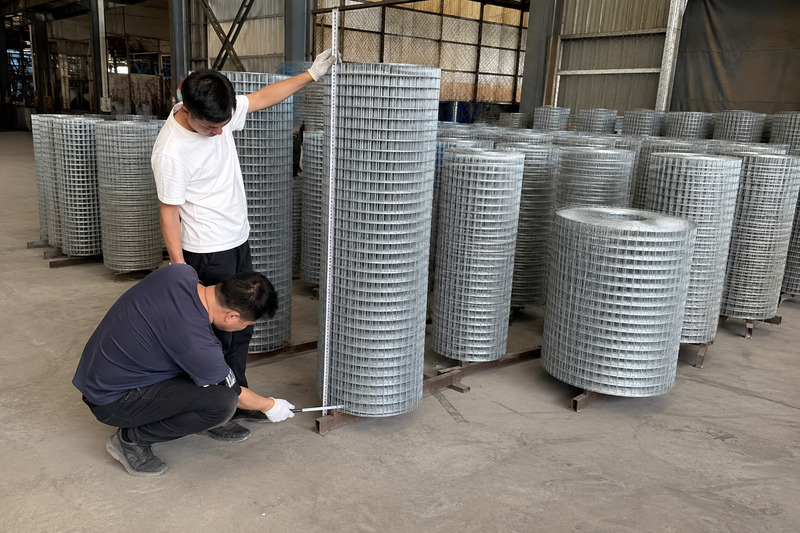
I always recommend customers consider their installation method first. If you're installing by hand, rolls over 25m become difficult to handle. Machine installation can handle longer rolls but requires proper equipment access.
For fence height planning, add extra width for ground burial and top tensioning. A 1.2m fence typically needs 1.5m wide mesh to account for 15cm ground burial and 15cm above the top rail. This prevents animals from digging under or jumping over your fence.
Consider your project layout when selecting length. Longer rolls reduce the number of joints but create handling challenges. Calculate your total linear footage and divide by potential roll lengths to find the most efficient combination. For example, a 200m fence works better with eight 25m rolls than four 50m rolls if your installation crew is small.
Transportation also affects size selection. Longer rolls need larger vehicles and more careful handling. Our export customers often choose 25m lengths because they're easier to handle during unloading and installation while still providing good efficiency.
How Do Wire Diameter and Mesh Size Affect Roll Weight?
Underestimating roll weight leads to handling problems and increased labor costs during installation.
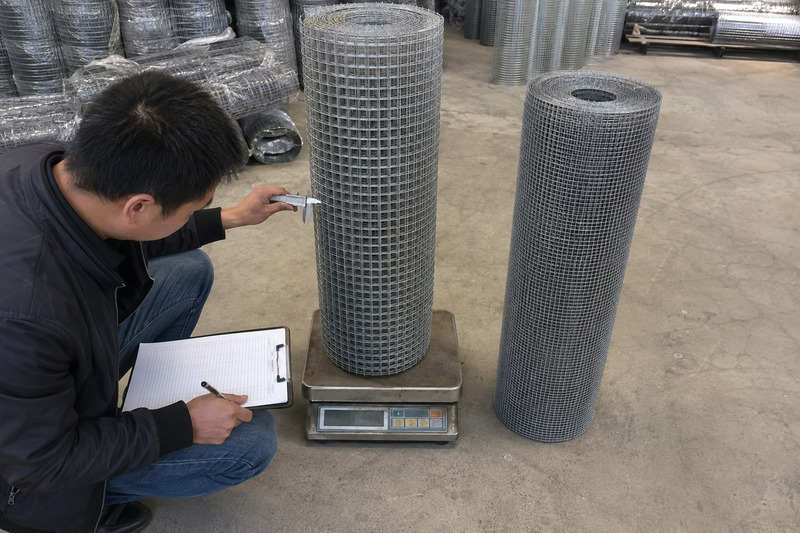
Weight calculation involves multiple factors that many customers overlook. Wire diameter has the biggest impact because weight increases with the square of the diameter. Doubling wire diameter from 2mm to 4mm quadruples the weight per meter.
Here's a practical weight reference table for welded wire mesh:
| Wire Diameter | Mesh Size | Weight per m² | 1.2m x 25m Roll Weight |
|---|---|---|---|
| 1.5mm | 25mm x 25mm | 1.8 kg | 54 kg |
| 2.0mm | 50mm x 50mm | 1.5 kg | 45 kg |
| 2.5mm | 50mm x 50mm | 2.3 kg | 69 kg |
| 3.0mm | 50mm x 50mm | 3.3 kg | 99 kg |
Mesh opening size affects weight inversely. Smaller openings mean more wire per square meter, increasing weight significantly. A 25mm x 25mm mesh weighs about 20% more than 50mm x 50mm mesh using the same wire diameter.
Roll diameter also increases with heavier wire, affecting packaging and shipping. Heavy rolls need stronger packaging and careful handling during loading and unloading. Plan your handling equipment accordingly and ensure your installation crew can safely manage the roll weights you select.
How Do You Calculate How Many Rolls of Wire Mesh You Need?
Ordering too few rolls delays your project while ordering too many ties up working capital unnecessarily.

Start with accurate site measurements. Walk your fence line with a measuring wheel or GPS device to get precise distances. Don't rely on property surveys alone because fence lines often follow terrain features rather than straight property boundaries.
Add waste allowances for cuts, overlaps, and installation errors. Residential projects typically need 5% extra, while agricultural projects need 8-10% due to irregular terrain and obstacle navigation. Commercial projects with precise measurements can use 3-5% allowances.
Consider these factors when calculating quantities:
Gates and openings: Subtract gate widths but add extra material for gate construction if you're making your own gates. Standard gate construction uses the same mesh as fencing.
Corners and angles: Each corner needs additional material for proper overlap and tensioning. Add 0.5m extra material per corner in your calculations.
Terrain changes: Sloped ground requires more material than flat installations. Steep slopes may need 15-20% additional material to maintain proper ground contact.
Future maintenance: Order one extra roll for future repairs, especially for agricultural applications where vehicle damage is common. This saves shipping costs on small future orders.
Document your calculations and keep records for future reference. This helps when planning similar projects or ordering replacement materials years later.
What Are the Common Packaging Methods for Wire Mesh Rolls?
Poor packaging choices lead to product damage during shipping and difficult handling at the destination.

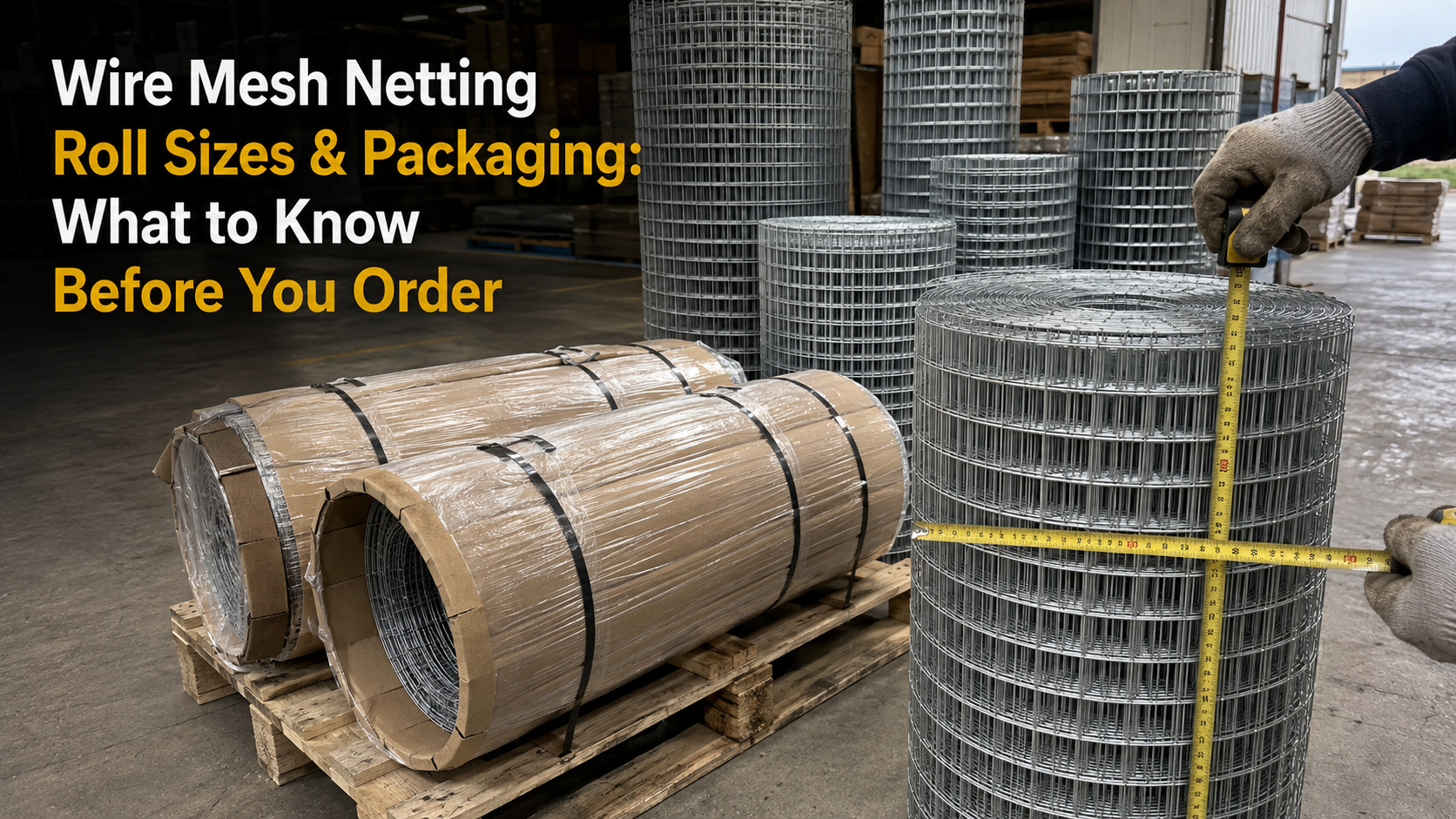
At Bestar, we use different packaging methods based on shipping distance and customer requirements. Each method offers different protection levels and cost implications.
Plastic film wrapping is our most common export method. We wrap each roll in heavy-duty polyethylene film with heat sealing. This provides moisture protection and keeps rolls clean during handling. We add desiccant packets for sea freight to prevent condensation damage.
Woven polypropylene bags work well for galvanized mesh that needs breathability. These bags allow air circulation while protecting against dirt and minor impacts. They're popular for African markets where humidity control is important.
Wooden crates provide maximum protection for high-value orders or delicate mesh types. We use this for PVC-coated mesh or when customers specify crate packaging. Crates add cost but eliminate damage risk during rough handling.
Pallet wrapping combines individual roll protection with efficient handling. We secure multiple rolls to pallets and wrap the entire unit. This works well for LCL shipments where space efficiency matters.
The choice depends on your shipping method, destination climate, and handling expectations. Ocean freight needs more protection than truck delivery. Humid destinations require better moisture barriers than dry climates.
How Should Wire Mesh Be Packed for Export and Sea Freight?
Inadequate export packaging leads to rust, damage, and potential customs delays at destination ports.

Sea freight creates unique challenges that domestic packaging can't handle. Temperature changes cause condensation inside containers, leading to rust on unprotected steel mesh. Salt air at ports accelerates corrosion, especially during loading and unloading delays.
Our export packaging process follows these steps:
Moisture protection: Each roll gets wrapped in 0.15mm polyethylene film with heat-sealed edges. No gaps or tears are allowed because even small openings let moisture in during the voyage.
Corrosion inhibition: We add VCI (Volatile Corrosion Inhibitor) papers inside the wrapping for carbon steel mesh. These papers release protective vapors that prevent rust formation in enclosed spaces.
Desiccant packets: Silica gel packets absorb moisture inside the packaging. We calculate packet size based on air volume inside the wrapping and expected voyage duration.
Bundle securing: Multiple rolls get banded together with steel strapping to prevent movement during rough seas. Loose rolls shift and damage each other when containers move.
Labeling requirements: Waterproof labels show product specifications, roll numbers, and handling instructions. Clear identification prevents customs delays and helps with inventory management at destination.
Documentation accompanies each shipment with detailed packing lists, material certificates, and handling instructions. This helps customs clearance and ensures proper handling by port workers who may not understand the product requirements.
Palletized vs Non-Palletized Wire Mesh: Which Is Better?
Choosing the wrong handling method increases labor costs and damage risk during unloading and installation.

The decision between palletized and non-palletized shipping depends on your handling capabilities and cost priorities. I've seen customers make expensive mistakes by not considering their unloading situation.
Palletized advantages:
Forklift handling reduces labor requirements and speeds unloading. Standard pallets fit most warehouse equipment and dock configurations. Rolls stay organized and protected during handling. Less risk of worker injury from heavy roll handling.
Palletized disadvantages:
Pallets and packaging add 15-20% to shipping volume, increasing freight costs. Pallet rental or purchase adds to total cost. Some destinations lack proper forklift equipment for unloading.
Non-palletized advantages:
Maximum container utilization reduces per-unit shipping costs. No pallet rental fees or return requirements. Easier loading in areas without forklift access.
Non-palletized disadvantages:
Manual handling increases labor costs and injury risk. Requires careful loading sequence planning. More difficult inventory management without pallet organization.
Consider your destination facilities when deciding. Urban areas typically have forklift access and benefit from palletized shipments. Rural or remote locations may lack equipment, making non-palletized more practical despite higher labor requirements.
Container loading efficiency also varies by roll size. Small rolls (under 30kg) load efficiently without pallets. Heavy rolls (over 60kg) benefit from pallet handling due to safety concerns and handling difficulty.
How Do Roll Size and Packaging Affect Container Loading and Shipping Costs?
Poor container utilization wastes money on freight while improper loading creates damage and handling problems.
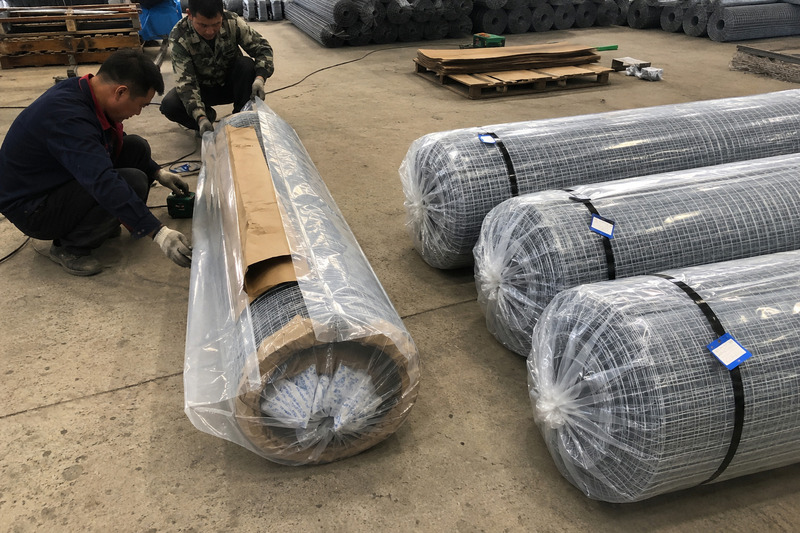
Container utilization directly impacts your per-unit shipping costs. Understanding how roll dimensions affect loading helps you make cost-effective decisions before ordering.
Roll diameter varies with wire gauge and mesh size. Thin wire creates tight rolls that maximize container space. Heavy wire creates larger diameter rolls that may not stack efficiently. Here's how different roll types affect loading:
| Wire Type | Roll Diameter | Rolls per Layer | Container Capacity |
|---|---|---|---|
| 1.5mm welded mesh | 25-30cm | 8-9 rolls | 22-24 tons |
| 2.5mm welded mesh | 35-40cm | 6-7 rolls | 20-22 tons |
| 3.0mm welded mesh | 45-50cm | 4-5 rolls | 18-20 tons |
Packaging affects both weight and volume utilization. Palletized shipments use container volume less efficiently but load and unload faster. The labor savings may offset the higher freight costs, especially for smaller orders.
Loading sequence matters for mixed orders. Heavy rolls go on the bottom, lighter rolls on top. Rolls should be oriented to prevent shifting during transport. We use wooden blocking and steel strapping to secure loads and prevent movement.
Calculate total landed costs including freight, handling, and potential damage before choosing packaging methods. Sometimes paying more for better packaging saves money overall through reduced damage and faster unloading.
How Should Wire Mesh Rolls Be Stored After Delivery?
Improper storage leads to rust, deformation, and material waste that reduces your project quality and increases costs.

Storage mistakes cause expensive problems that many customers don't anticipate. I've seen entire shipments ruined by poor storage decisions in the first few weeks after delivery.
Moisture control is critical for steel mesh products. Ground moisture wicks up through concrete floors and wooden pallets. Use plastic sheeting or raised platforms to create moisture barriers. Ensure good air circulation around stored rolls.
Support requirements prevent roll deformation that makes installation difficult. Store rolls vertically when possible, or provide full-length support for horizontal storage. Unsupported spans cause permanent bending that affects fence appearance and strength.
Environmental protection extends product life and maintains appearance. Cover outdoor storage but allow air circulation. Completely sealed covers trap moisture and cause more problems than protection.
Inventory rotation ensures older stock gets used first. Mark delivery dates and use FIFO (First In, First Out) rotation. Galvanized coatings deteriorate over time even in good storage conditions.
Handling precautions during storage prevent damage. Use proper lifting equipment and avoid dragging rolls across rough surfaces. Galvanized coatings scratch easily and create rust starting points.
Plan storage space before delivery. Calculate space requirements including access aisles and handling equipment clearances. Cramped storage leads to handling damage and safety problems during material retrieval.
Can Wire Mesh Roll Sizes and Packaging Be Customized?
Standard sizes don't always match project requirements, but customization options vary significantly between suppliers and affect pricing and lead times.

At Bestar, we regularly customize roll dimensions for specific projects. Understanding what's possible helps you optimize material usage and reduce total project costs.
Width customization works within machine limitations. Our equipment handles widths from 0.3m to 2.2m in most mesh types. Custom widths eliminate waste when standard sizes don't match your fence height requirements.
Length customization depends on wire diameter and handling requirements. We can produce shorter rolls for easier handling or longer rolls to reduce joints. Maximum length limits depend on roll diameter and transportation constraints.
Packaging customization includes special wrapping, labeling, or bundling requirements. We accommodate specific port requirements, climate considerations, and handling equipment limitations at destination.
Cost implications vary by customization complexity. Simple width changes add minimal cost. Complex packaging requirements or non-standard materials increase costs significantly. Discuss cost implications early in planning.
Minimum quantities apply to most customizations. Standard products have lower minimums than custom sizes. Plan order quantities to justify customization costs through material savings and installation efficiency.
Lead time extensions are necessary for custom production. Standard products ship in 15-20 days while custom orders need 20-30 days. Factor extended lead times into project schedules.
Document custom requirements clearly in purchase orders. Include exact dimensions, tolerances, packaging specifications, and any special handling requirements. Clear specifications prevent misunderstandings and ensure you receive exactly what your project needs.
What Should You Confirm With Your Supplier Before Ordering Wire Mesh Rolls?
Missing critical details leads to wrong products, shipping problems, and project delays that cost time and money.

After handling thousands of orders, I know which details cause problems when overlooked. Use this checklist to ensure smooth transactions and avoid costly surprises.
Product specifications need exact confirmation:
- Wire diameter and material grade
- Mesh opening dimensions and tolerance
- Roll width and length requirements
- Surface treatment (galvanized, PVC coated, etc.)
- Quality standards and certifications required
Packaging and shipping details:
- Packaging method and protection level
- Pallet requirements and specifications
- Container loading method and securing
- Shipping terms (FOB, CIF, etc.)
- Port of departure and destination
Commercial terms and conditions:
- Unit pricing and quantity breaks
- Minimum order quantities
- Payment terms and methods
- Delivery schedules and lead times
- Quality inspection procedures
Documentation requirements:
- Certificates of analysis needed
- Customs documentation format
- Insurance and liability coverage
- Warranty terms and conditions
Logistics coordination:
- Container booking responsibilities
- Freight forwarder selection
- Port handling arrangements
- Delivery and unloading coordination
Request samples for quality verification before large orders. Confirm all details in writing and keep records for future reference. Clear communication prevents misunderstandings and ensures successful transactions.
Conclusion
Understanding wire mesh roll sizes and packaging requirements before ordering prevents costly mistakes and ensures project success through proper planning and supplier coordination.