

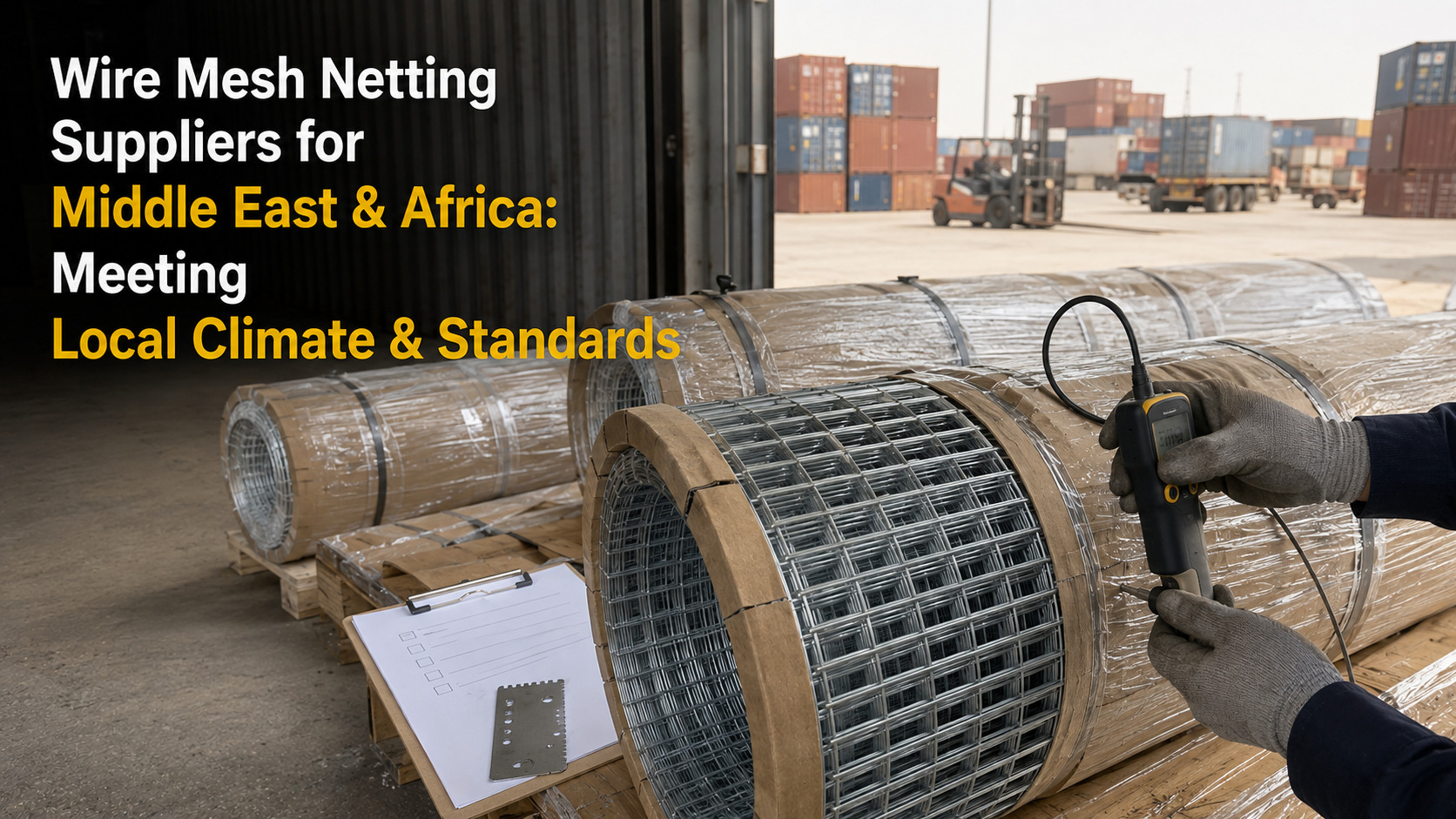
Wire Mesh Netting Suppliers for Middle East & Africa: Meeting Local Climate & Standards
The Middle East and Africa present unique challenges for wire mesh buyers. Extreme heat, coastal salt, and demanding standards create problems that many suppliers simply cannot solve.
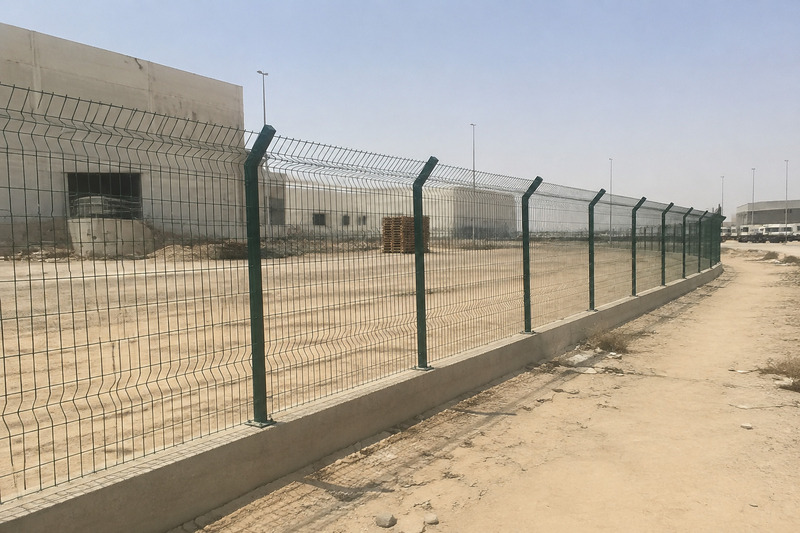
I have worked with countless buyers from Dubai to Lagos, and I have seen too many projects fail because suppliers did not understand regional requirements. Let me share what really matters when sourcing wire mesh for these demanding markets.
What Should You Look for in a Wire Mesh Supplier for the Middle East and Africa?
Most suppliers promise quality, but few deliver what these regions actually need. Temperature swings and corrosive environments destroy inferior products within months.

The first thing I tell buyers is to verify the supplier's manufacturing capabilities. At our facilities in China and Ethiopia, we specifically design products for harsh climates. Many suppliers only have basic galvanizing equipment that produces coatings too thin for coastal environments.
You need suppliers who understand the difference between standard galvanizing and heavy-duty zinc coating. Our hot-dip galvanizing process applies 600-800g/m² of zinc, compared to the 200-300g/m² that many suppliers offer. This difference determines whether your fence lasts 2 years or 20 years in Kuwait's desert heat.
Documentation matters more than most buyers realize. European buyers need CE marking and EN standards compliance. Middle Eastern projects often require SASO certificates for Saudi Arabia or Emirates Quality Mark for UAE. African buyers need COMESA certificates for duty-free import to member countries.
The supplier must also handle mixed container loads efficiently. Most projects need multiple products - welded mesh, chain link fence, posts, and accessories. Suppliers who can only provide one product type create logistics nightmares and increase your total costs.
Which Wire Mesh Is Best for Hot and Harsh Climates?
Standard wire mesh fails quickly in extreme heat and UV exposure. I have seen welded joints crack and wires lose tensile strength within six months in desert conditions.

Temperature cycling creates the biggest challenge. In Dubai, surface temperatures can reach 70°C during day and drop to 25°C at night. This constant expansion and contraction stresses welded joints and can cause wire breakage in poorly manufactured mesh.
We use high-carbon steel wire that maintains flexibility even at extreme temperatures. The welding process must create full penetration welds that won't crack under thermal stress. Many suppliers use resistance welding that creates weak spots - we use electric welding with proper heat treatment afterward.
For agricultural applications in hot climates, field fence with stayed construction works better than welded mesh. The horizontal stays allow vertical wires to move independently, reducing stress concentration. This design has proven successful in cattle ranches across Kenya and Sudan.
Wire diameter selection becomes critical in harsh environments. Standard 2.5mm wire that works fine in temperate climates often proves inadequate for desert installations. We recommend minimum 3.0mm wire diameter for structural applications and 2.8mm for agricultural fencing in extreme heat regions.
The mesh opening size also affects performance. Smaller openings like 50x50mm create more welded joints that can fail. For perimeter fencing in harsh climates, 100x100mm or 150x150mm openings provide better long-term reliability while maintaining security.
How Do Coastal Salt, Humidity and Sand Affect Wire Mesh?
Coastal environments destroy wire mesh faster than any other condition. I have inspected installations in Jeddah where standard galvanized mesh completely rusted through in 18 months.
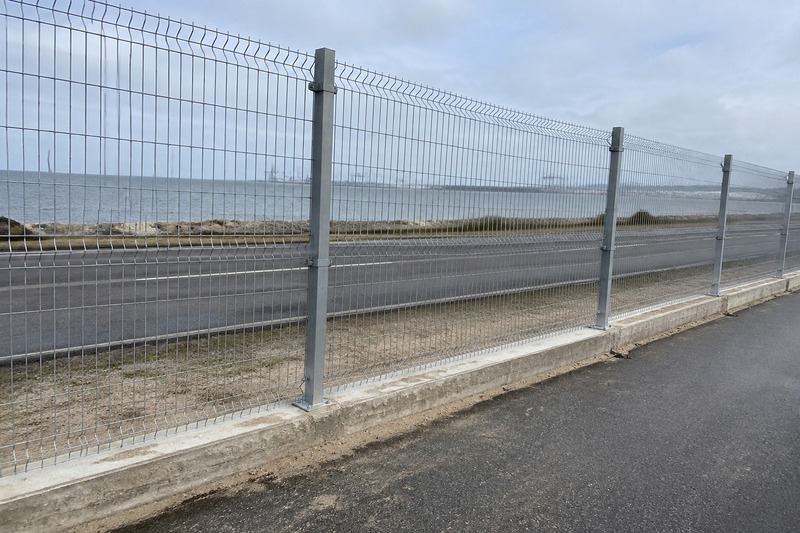
The combination of salt and humidity creates perfect conditions for galvanic corrosion. When different metals contact each other in this environment, the less noble metal dissolves rapidly. This is why using stainless steel fasteners with galvanized mesh often causes more problems than it solves.
Sand abrasion presents a unique challenge that many suppliers ignore. Wind-blown sand acts like sandpaper, gradually wearing away zinc coatings and exposing base steel. In Qatar and UAE, installations near construction sites face particularly severe sand exposure during development phases.
We have developed specific solutions for coastal environments. Our marine-grade galvanizing process applies zinc in multiple layers with intermediate alloy formation. This creates a coating system that maintains protection even when the outer layer suffers abrasion damage.
For extreme coastal exposures, we recommend duplex coating systems. The wire receives hot-dip galvanizing followed by powder coating or PVC application. This provides both sacrificial protection from the zinc and barrier protection from the organic coating.
Proper installation techniques become even more important in coastal areas. All cut edges must receive zinc-rich paint treatment. Fasteners must be stainless steel or heavily galvanized. Post foundations need proper drainage to prevent water accumulation that accelerates corrosion.
Galvanized vs PVC-Coated Wire Mesh: Which Is Better for Middle East & Africa?
This choice determines project success or failure in harsh environments. I have seen buyers make expensive mistakes by choosing the wrong coating system for their specific conditions.
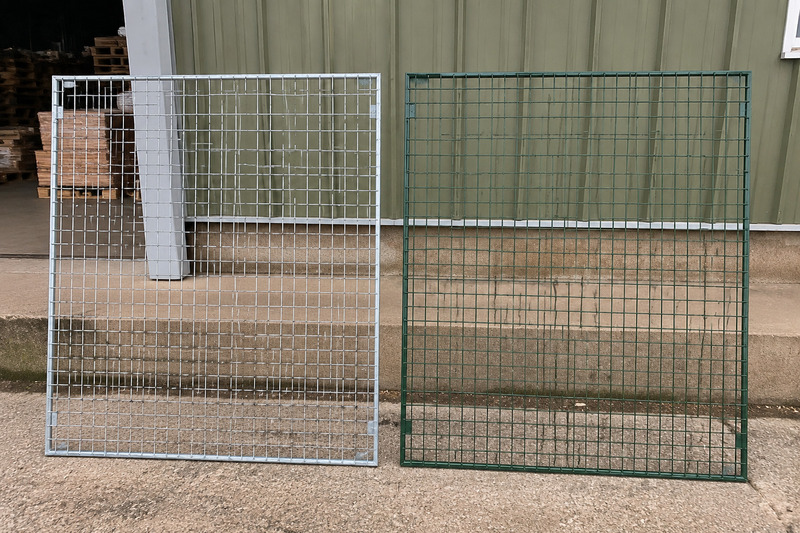
Cost considerations often drive buyers toward standard galvanized mesh, but this creates false economy in harsh environments. The initial 20-30% cost savings disappear quickly when replacement becomes necessary within 3-5 years instead of 15-20 years.
Galvanized mesh performs excellently in dry, desert conditions away from the coast. The zinc coating provides sacrificial protection that can last decades in low-humidity environments. Saudi Arabia's inland regions, Egypt's desert areas, and Sudan's dry zones are ideal for heavy-duty galvanized products.
PVC coating becomes essential in coastal areas and high-humidity zones. The polymer coating blocks moisture and salt from reaching the underlying metal. Our PVC-coated mesh uses 0.5-0.6mm coating thickness that provides excellent UV resistance and impact protection.
Color selection affects performance in hot climates. Dark colors absorb more heat and can cause thermal stress in the coating. We recommend light colors like white, beige, or light green for desert installations. These colors reflect heat and maintain lower surface temperatures.
The quality of PVC coating varies dramatically between suppliers. Cheap PVC becomes brittle in UV exposure and cracks within 2-3 years. Our PVC formulation includes UV stabilizers and impact modifiers that maintain flexibility even after years of sun exposure.
For agricultural applications, PVC coating prevents animal injury from sharp edges and provides better visibility for livestock. The smooth surface also prevents debris accumulation that can stress the mesh structure.
Which Wire Mesh Products Are Commonly Used in Middle East & African Projects?
Different regions have distinct preferences based on local construction practices and available installation expertise. Understanding these patterns helps buyers select appropriate products.
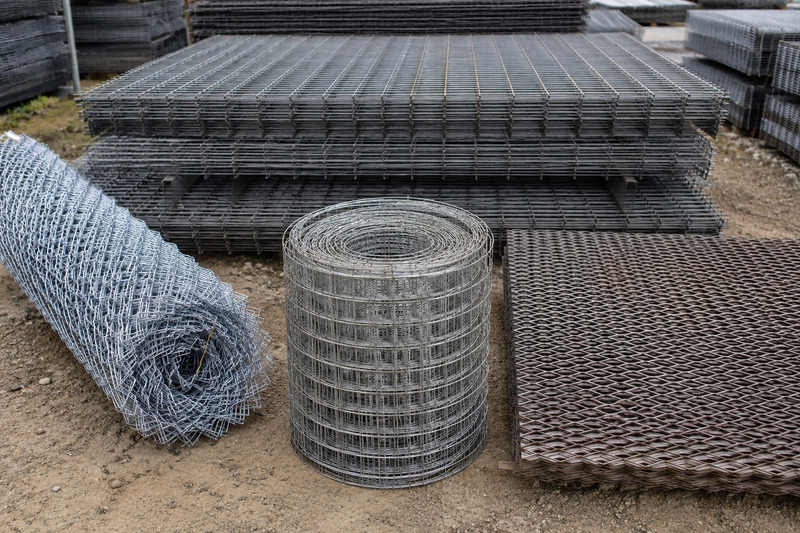
Construction projects across the Gulf States heavily favor welded wire mesh for concrete reinforcement and masonry applications. The regular grid pattern provides predictable reinforcement properties that engineers can calculate precisely. Standard sizes like 200x200mm with 6mm wire diameter dominate high-rise construction in Dubai and Doha.
Security applications show regional variations. UAE and Saudi Arabia prefer rigid welded mesh panels for high-security installations. Nigeria and Kenya favor chain link fence for its flexibility and ease of installation with limited equipment. South Africa uses both systems depending on security level requirements.
Agricultural markets show the most diversity. Large commercial farms in Egypt and Sudan use field fence for livestock containment. Smaller operations across sub-Saharan Africa prefer welded mesh that local fabricators can modify easily. Poultry operations universally choose small-opening welded mesh for bird containment.
Industrial applications require specialized products. Oil and gas facilities need expanded metal for walkways and platforms. Mining operations use heavy-duty welded mesh for equipment protection and material separation. Water treatment plants require stainless steel mesh for corrosive environments.
The mesh specifications vary significantly by end use. Concrete reinforcement typically uses 6-8mm wire diameter with 150-200mm openings. Security fencing uses 4-5mm wire with 50-75mm openings. Agricultural applications work well with 2.5-3.5mm wire and 100-150mm openings.
Packaging requirements also vary by region. Middle Eastern buyers often prefer wooden crate packaging for easier handling in port facilities. African buyers may choose steel strap bundling to reduce packaging costs and simplify customs procedures.
What Wire Mesh Standards and Specifications Should Buyers Check?
Standards compliance determines whether products clear customs and meet project requirements. Different regions enforce different standards, creating confusion for international buyers.
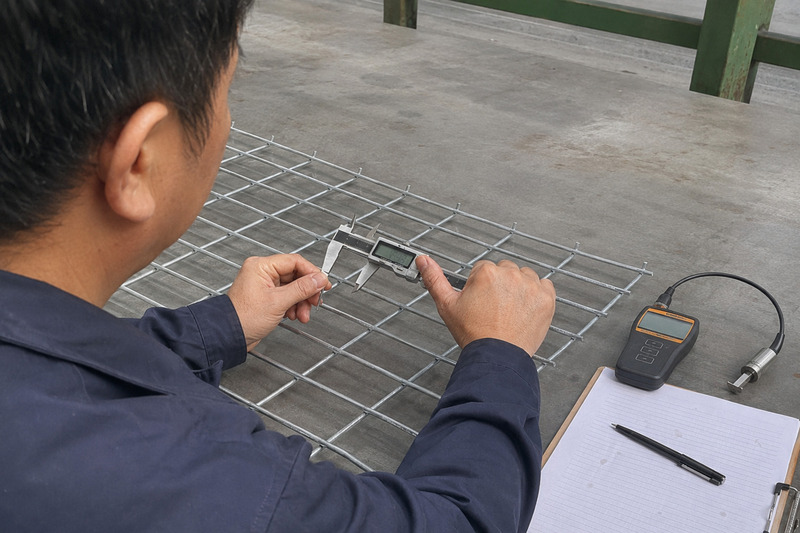
Wire diameter tolerance becomes critical for structural applications. A 4mm wire that measures 3.8mm has significantly reduced load capacity. Our quality control checks every coil before production and maintains ±0.03mm tolerance on finished products.
Mesh opening accuracy affects both function and appearance. Security mesh with oversized openings compromises protection. Concrete reinforcement with undersized openings may not meet structural requirements. We use precision welding equipment that maintains ±1mm accuracy on opening dimensions.
Zinc coating weight testing requires proper procedures that many suppliers skip. The coating weight must be measured after complete processing, not on the raw wire. Our hot-dip galvanizing process consistently delivers 650-750g/m² coating weight with uniform distribution.
Tensile strength certification becomes important for structural applications. The welded joints must maintain at least 80% of the base wire strength. Many suppliers cannot provide this certification because their welding process creates weak points.
Regional standards create additional complications. European projects need EN 10223 compliance for welded mesh. American specifications require ASTM A185 for concrete reinforcement. Middle Eastern projects often reference British Standards BS 4483 or German DIN standards.
Documentation requirements vary by destination. UAE requires Emirates Quality Mark for many applications. Saudi Arabia needs SASO certificates for construction materials. Nigeria requires NAFDAC approval for food-related applications and SON certification for construction materials.
Third-party testing provides the most reliable verification. We work with SGS, Intertek, and local testing laboratories to provide certified test reports. These reports include chemical composition, mechanical properties, coating weight, and dimensional accuracy verification.
What Should UAE Wire Mesh Buyers Consider Before Importing?
UAE's strategic location and advanced infrastructure create unique opportunities and challenges for wire mesh imports. The market demands high quality but offers excellent regional distribution potential.
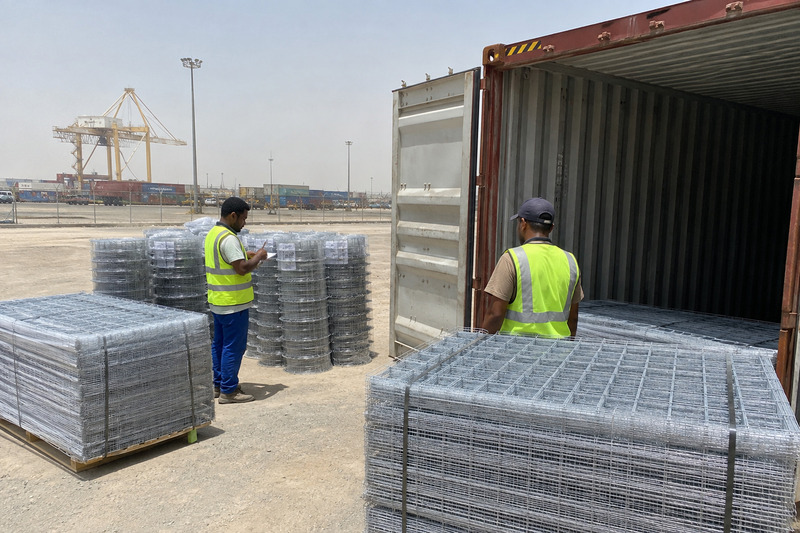
Dubai's position as a regional hub means many buyers import for re-export to neighboring countries. This requires suppliers who can provide proper documentation for multiple destinations. Our Ethiopia facility provides COMESA certificates that enable duty-free access to most African markets from Dubai.
The UAE construction market operates on tight schedules with severe penalties for delays. Suppliers must guarantee delivery times and provide real-time shipment tracking. We maintain buffer inventory in Dubai for emergency deliveries to critical projects.
Quality standards in UAE exceed most regional requirements. Dubai Municipality specifications often require higher zinc coating weights and more stringent testing than neighboring countries. Suppliers must understand these premium requirements and price accordingly.
Free zone operations offer significant advantages for wire mesh imports. Jebel Ali Free Zone allows 100% foreign ownership and simplified customs procedures. However, this requires suppliers experienced with free zone documentation and procedures.
Seasonal patterns affect demand significantly. Construction activity peaks during cooler months from October to April. Agricultural mesh demand increases before planting seasons. Suppliers should understand these patterns to optimize shipping schedules and inventory management.
Payment terms in UAE typically favor buyers more than other markets. Many suppliers offer extended payment terms for established customers. However, this requires careful credit evaluation and proper documentation to protect against payment delays.
The UAE market values long-term relationships over lowest prices. Buyers prefer suppliers who provide consistent quality, reliable delivery, and responsive technical support. Price competition is intense, but quality and service differentiate successful suppliers.
What Should Nigerian and African Wire Mesh Buyers Consider Before Importing?
African markets present the highest growth potential but also the most complex import challenges. Success requires understanding diverse regulations, infrastructure limitations, and financing constraints.
Nigeria's local content policy requires increasing percentages of locally manufactured materials for major projects. However, wire mesh manufacturing capacity remains limited. Buyers need suppliers who can provide documentation showing local content compliance or exemption justification.
Currency volatility creates major challenges for African buyers. The Naira, Cedi, and other regional currencies fluctuate significantly against the US Dollar. Smart buyers negotiate contracts with currency hedging or payment in local currency when possible.
Port congestion in Lagos, Tema, and Mombasa can delay shipments by weeks or months. Suppliers must understand port procedures and provide accurate documentation to minimize delays. Our Ethiopia facility ships through Djibouti port, which offers more reliable transit times to East African destinations.
ECOWAS and COMESA trade agreements provide duty advantages for qualifying products. Our manufacturing in Ethiopia allows duty-free access to COMESA member countries, providing significant cost savings for buyers in Kenya, Uganda, and other member states.
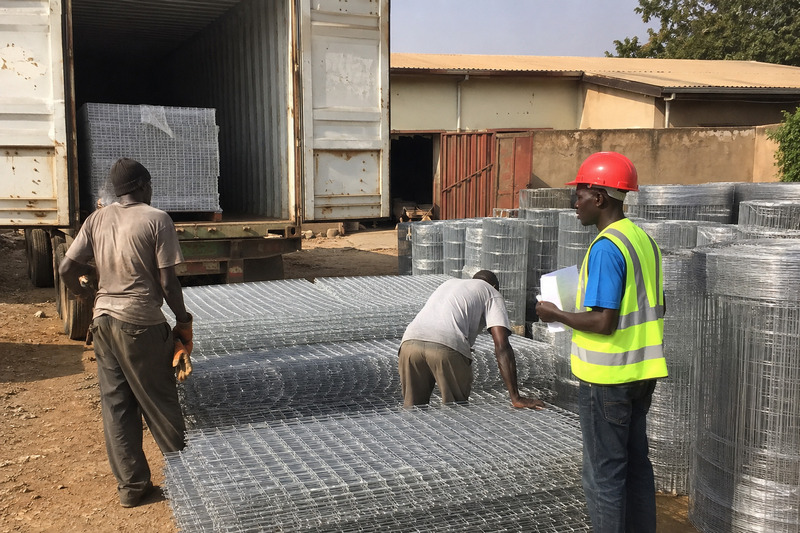
Infrastructure limitations affect product selection and packaging. Many African locations lack heavy lifting equipment for unloading containers. Products must be packaged in sizes that allow manual handling. We offer special packaging options for challenging delivery locations.
Trade finance becomes critical for African buyers. Many local banks have limited trade finance capacity. Suppliers who can provide extended payment terms or work with international trade finance providers offer significant advantages.
Quality control becomes even more important in African markets due to limited local testing facilities. Buyers rely on supplier certifications and cannot easily verify quality after arrival. This makes supplier selection absolutely critical for project success.
How Can You Verify a Wire Mesh Supplier's Quality and Export Capability?
Too many buyers rely on supplier claims without proper verification. This leads to quality problems, delivery delays, and project failures that could have been prevented.
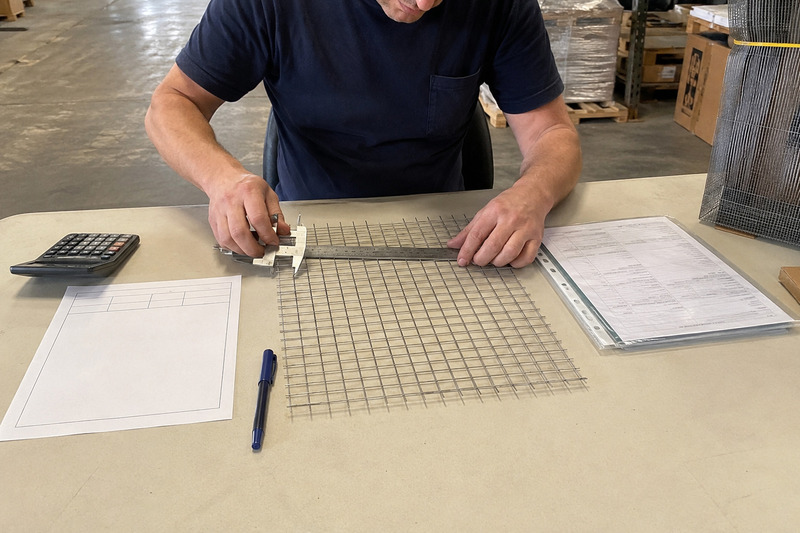
Factory audits provide the most reliable verification method. Third-party audit services like SGS, Intertek, or Bureau Veritas can verify manufacturing capabilities, quality systems, and production capacity. These audits cost $2000-5000 but prevent much larger losses from supplier failures.
Export documentation review reveals supplier experience and competence. Request samples of commercial invoices, packing lists, certificates of origin, and quality certificates from recent shipments. Experienced exporters provide complete, accurate documentation that facilitates smooth customs clearance.
Customer references require careful verification. Contact references directly and ask specific questions about quality, delivery performance, and problem resolution. Be suspicious of suppliers who cannot provide recent customer contacts or whose references seem coached.
Production capacity verification prevents delivery delays. Calculate the supplier's claimed monthly production against their equipment and workforce. A supplier claiming 1000 tons monthly capacity with only two welding machines cannot deliver as promised.
Financial stability affects long-term supply reliability. Use services like Dun & Bradstreet or Alibaba's Trade Assurance to verify supplier financial condition. Financially unstable suppliers may accept orders they cannot fulfill or compromise quality to reduce costs.
Quality certifications require verification with issuing bodies. Many suppliers display fake or expired certificates. Contact certification bodies directly to verify current status and scope of certification. ISO 9001 certification should cover wire mesh manufacturing specifically, not just general trading activities.
Manufacturing equipment inspection reveals production capabilities. Modern welding equipment produces consistent quality, while old or poorly maintained equipment creates quality problems. Suppliers should provide photos or videos of their production lines.
How Should Wire Mesh Be Packed for Shipping to the Middle East and Africa?
Improper packaging causes more product damage than any other factor in long-distance shipping. Desert heat, humidity, and rough handling destroy poorly packed products.
Moisture protection becomes critical for shipments to humid coastal areas. Standard plastic wrapping allows condensation that causes rust staining and coating damage. We use vapor barrier films with sealed edges and silica gel desiccants to maintain dry conditions inside packages.
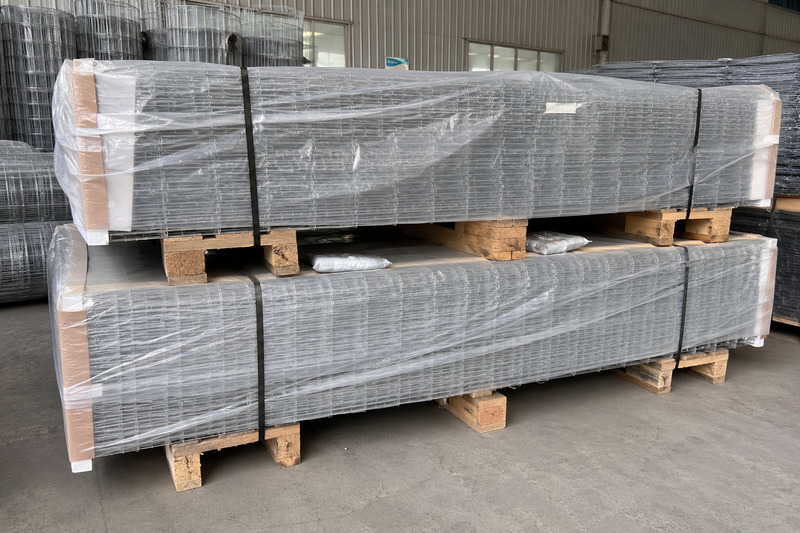
Impact protection prevents damage during rough handling common in many African and Middle Eastern ports. Wooden crates provide excellent protection but increase shipping costs and may require fumigation certificates. Steel strap bundling with corner protection offers good protection at lower cost.
Weight distribution affects handling and safety. Packages exceeding 50kg become difficult to handle manually and may require special equipment. We design packaging to keep individual pieces under 40kg when possible, or provide lifting points for heavier items.
Labeling requirements vary by destination but should always include product identification, handling instructions, and hazard warnings. Arabic labeling helps in Middle Eastern countries, while French labeling assists in West African destinations.
Climate considerations affect packaging material selection. High temperatures can soften adhesives and cause labels to fall off. UV exposure degrades plastic packaging materials. We use heat-resistant materials and UV-stabilized plastics for extreme climate destinations.
Port facilities determine unloading requirements. Modern ports like Jebel Ali have excellent equipment, while smaller African ports may lack heavy lifting capability. Packaging must match destination port capabilities to prevent delays and additional costs.
Documentation inside packages should include detailed packing lists, quality certificates, and handling instructions. This documentation must be protected from moisture and easily accessible to customs officials and consignees.
What Information Should You Send a Supplier to Get an Accurate Wire Mesh Quote?
Incomplete specifications lead to incorrect quotes that create problems later. I have seen projects delayed for months because buyers did not provide essential information upfront.

Wire specifications must include diameter tolerance requirements. Standard tolerance is ±0.1mm, but structural applications may require ±0.05mm. Tighter tolerances increase costs but may be necessary for your application.
Mesh opening dimensions need both nominal size and tolerance requirements. Security applications require precise openings, while agricultural uses allow larger tolerances. Specify if measurements are center-to-center or clear opening dimensions.
Overall dimensions should include length, width, and any cutting requirements. Standard sizes cost less than custom dimensions. Specify if edges need finishing, such as selvage edges for fabric mesh or cut edge treatment for welded mesh.
Coating specifications must include type, thickness, and color requirements. Hot-dip galvanizing needs minimum coating weight specification. PVC coating requires thickness and color specifications. Include any special coating requirements like UV resistance or impact resistance.
Quantity information should include minimum order requirements, delivery schedule, and any seasonal considerations. Many suppliers offer better pricing for larger quantities or annual contracts. Specify if quantities are firm or estimated.
Packaging requirements depend on destination infrastructure and handling capabilities. Specify maximum package weight, preferred packaging type, and any special marking requirements. Include labeling language requirements for your market.
Quality standards and certifications must be specified upfront. Different standards have different requirements and costs. Specify which standards apply and provide copies of relevant specifications if using local standards.
Application details help suppliers recommend appropriate products and identify potential issues. Describe the environment, loading conditions, and expected service life. This information helps suppliers suggest alternatives that might better meet your needs.
Conclusion
Success in Middle East and African wire mesh sourcing requires understanding regional challenges, verifying supplier capabilities, and specifying requirements precisely for optimal project outcomes.